

by Marielle Brie
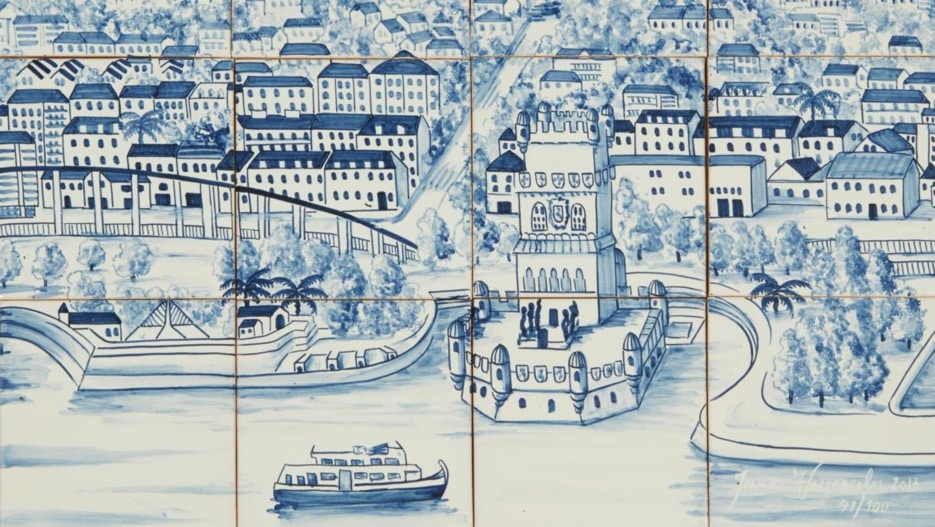
The Iberian peninsula’s earliest azulejos appeared in the architecture of al-Andalus: the alicatados (a mosaic formed of polygonal, colored glazed tiles) at the royal palace of Alcazar in Seville are none other than azulejos that were cut up and assembled into geometric forms. In Portugal, some rare examples of 15th-century Mudéjar art from Seville still grace the Palace of Sintra. King Manuel I (1469–1521) played a key role in this: following Seville’s example, he demanded azulejos for his palace, starting a tradition destined to thrive. Click here to read more