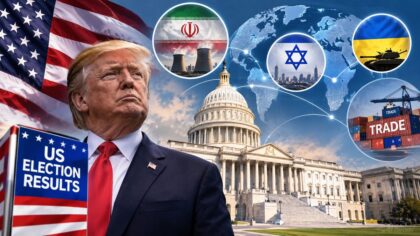


Donald Trump’s sweeping midterm defeat has exposed a growing problem within the Republican Party that goes beyond losing control of Congress. The election has raised questions about the administration’s political judgement, its handling of the economy and the extent to which Republican lawmakers can continue defending policies that are becoming increasingly unpopular with voters. While Trump has shown little indication of accepting responsibility for the results, pressure is building within his own party for changes in both the White House and the direction of government.
The Democrats’ victories in the House of Representatives and Senate have fundamentally altered the political environment for the remaining years of Trump’s presidency. Republicans now face the prospect of congressional investigations, legislative obstruction and greater scrutiny of administration decisions. More importantly, the defeat has created an uncomfortable debate among party members about whether loyalty to Trump remains an electoral advantage or is becoming a liability for candidates seeking political careers beyond his presidency.
The election has also exposed the limitations of a political strategy built heavily around Trump’s personal influence. His endorsement continued to carry considerable weight within Republican politics, but the rejection of several candidates backed by him suggests that this influence does not necessarily translate into votes when economic and foreign policy concerns dominate the campaign.
Economic Discontent Has Become a Political Liability
The cost of living emerged as one of the most significant factors behind the Republican losses. The prolonged conflict with Iran has disrupted energy supplies from the Gulf, contributing to higher fuel prices and increasing economic pressure on American households. For voters already dealing with concerns about inflation, housing costs and everyday expenses, the administration’s foreign policy decisions became closely connected with their personal financial circumstances.
Republican strategists had reportedly identified these concerns before the election. Internal polling conducted several weeks before voting indicated that the party was vulnerable in both chambers of Congress. However, the administration did not substantially change its approach to the Iran conflict, despite warnings about the political consequences.
This failure to respond to concerns within its own political organisation has become an important part of the criticism directed at Trump. Republican advisers are not simply questioning whether particular policies were successful. They are also questioning the administration’s ability to recognise when public opinion is moving in another direction.
Tariff policies have added another complication. Although the administration has presented import duties as a means of protecting American industries and strengthening domestic production, their wider economic effects have created uncertainty for businesses and consumers. Higher import costs can eventually reach customers through increased prices, particularly when companies cannot easily replace foreign suppliers.
The political difficulty for Republicans is that voters may not distinguish between the different economic causes behind rising expenses. They are more likely to judge the government by whether their household budgets have improved. When economic dissatisfaction becomes widespread, explanations about long-term industrial benefits may struggle to provide immediate political protection.
White House Priorities Face Internal Criticism
The criticism within Republican circles has also extended to the administration’s priorities and the way the White House has managed political communication. Several advisers have reportedly expressed concern about Trump’s attention to major construction projects in Washington, particularly the White House ballroom, at a time when voters were increasingly focused on economic pressures and the consequences of the Iran war.
The controversy reflects a wider problem involving political perception. Even when a government believes a particular project is justified, the timing and public presentation of that initiative can influence how voters interpret its priorities. A president discussing construction and renovation work while households are struggling with higher fuel prices risks creating an impression of distance from everyday concerns.
Trump’s decision to publicly defend his interest in the ballroom project immediately after the election defeat has therefore attracted attention within his party. Republican advisers fear that continuing to concentrate on personal projects and familiar political arguments could make it harder for candidates to regain support before the next major election.
The administration’s response has also raised questions about whether senior officials feel able to challenge the president’s decisions. Reports that internal warnings about the Iran war were not acted upon suggest a political environment in which advice may have limited influence when it conflicts with Trump’s preferences.
A change in White House personnel could address some organisational problems, but it would not automatically resolve disagreements over policy. Replacing advisers without changing the decision-making process could simply reproduce the same difficulties under a different group of officials.
Democratic Control Changes the Political Balance
The Democrats’ control of both congressional chambers gives them a considerably stronger position in Washington. They will have greater authority over committee investigations, legislative proceedings and the consideration of presidential nominees. The administration will also face increased scrutiny of its decisions on foreign policy, spending, immigration and trade.
For Trump, this creates a difficult governing environment. He retains presidential authority and can continue pursuing policies through executive action where existing laws permit. However, executive decisions cannot completely replace legislation, and they do not provide protection from congressional investigations.
The prospect of prolonged political confrontation is therefore significant. Democrats may use their new committee positions to examine administration decisions, while Republicans will have to decide how aggressively they should defend the president. This could become particularly difficult for lawmakers representing competitive constituencies where voters have already demonstrated dissatisfaction with the administration.
The new congressional balance may also complicate appointments and government funding negotiations. Even when Democrats cannot directly reverse a presidential decision, they can increase the political and administrative costs of implementing it.
This situation creates an incentive for Trump to rely more heavily on executive authority. However, such a strategy could increase legal disputes and deepen the confrontation between the White House and Congress.
Republican Leaders Begin Looking Beyond Trump
The election result has also brought the question of political succession closer to the centre of Republican debate. With the next presidential election approaching in 2028, potential candidates have strong reasons to assess whether their association with Trump will help or damage their own political prospects.
Vice President JD Vance has already indicated some distance from the president’s handling of the Iran conflict by identifying the war as a factor behind the Republican losses. Such statements are politically important because they suggest that senior figures may begin distinguishing their own positions from decisions made by Trump.
However, separating themselves from the president will not be straightforward. Trump’s influence among Republican voters remains substantial, and any attempt to openly challenge him could create difficulties within the party. Candidates will have to balance the need to maintain support from his political base with the possibility that a wider section of voters wants a different direction.
The central challenge for Republican leaders is therefore not simply replacing unpopular advisers or adjusting campaign messages. It is deciding whether the party should continue to organise its political identity around one individual or begin developing a broader agenda that can appeal to voters beyond Trump’s existing support base.
The midterm defeat has made this question unavoidable. The party’s ability to recover will depend partly on whether its leaders can acknowledge the political costs of current policies without triggering a damaging internal confrontation.
(Source:www.cnn.com)