
The Democratic Party’s sweeping victories in the United States midterm elections have created a new set of uncertainties for governments dealing with Washington. The change in congressional control is not expected to immediately reverse American foreign policy, but it has weakened the political position of President Donald Trump and created opportunities for other countries to reconsider their diplomatic and economic strategies.
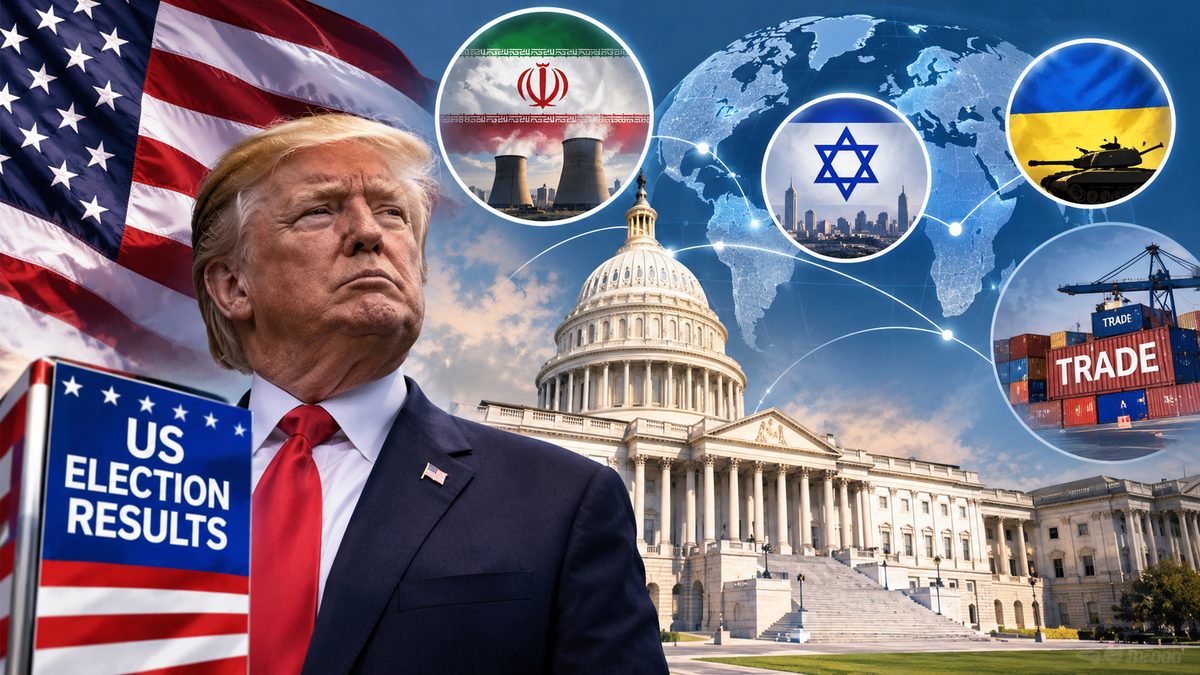
The consequences extend well beyond Washington. The continuing conflict with Iran, relations with Israel, military assistance to Ukraine and trade negotiations with major Asian economies are all likely to face increased scrutiny. Countries that have been dealing with American tariff threats or investment demands may now have greater reason to question whether the administration can maintain its existing approach without facing resistance at home.
However, the election does not automatically transfer control of foreign policy to Congress. The president retains considerable authority over military operations, diplomatic negotiations and several trade measures. Democrats will have greater influence over legislation, government funding and oversight, but they do not possess the congressional numbers required to override every presidential decision.
This creates an unusual situation for international partners. They may find a more politically constrained American president, but not necessarily a more predictable one.
Iran Conflict Becomes a Major Test for Trump
The conflict with Iran is likely to remain one of the most immediate international consequences of the election. The eight-month-old war has disrupted crude oil and liquefied natural gas supplies from the Gulf, contributing to higher energy prices across several economies.
The economic consequences have also become a domestic political problem for Trump. Higher fuel costs have placed additional pressure on American consumers, making the conflict increasingly difficult to defend politically. The election results could therefore strengthen the argument within the administration for exploring a negotiated settlement.
Several Gulf governments reportedly believe Trump now has greater reasons to seek a diplomatic solution. A reduction in military confrontation could restore disrupted energy supplies and reduce the risk of further instability across the region.
However, a weakened political position does not necessarily make an American president more willing to compromise. Iranian leaders could interpret the election outcome as evidence that Washington has less freedom to sustain a prolonged military campaign. This might encourage Tehran to adopt a harder negotiating position or test the administration’s willingness to escalate.
The situation creates risks for both sides. Trump needs to demonstrate that the conflict has produced meaningful strategic results, while Iran has little incentive to accept an agreement that does not address its security and political demands. A negotiated settlement would require more than a temporary reduction in military activity.
Israel Faces Greater Congressional Scrutiny
The election has also changed the political environment surrounding American support for Israel. Democratic control of Congress could increase scrutiny of military operations involving Iran, Gaza and Lebanon, particularly where questions arise over weapons supplies and the use of American assistance.
For the Israeli government, this presents a diplomatic challenge. Support for Israel has historically enjoyed backing from both major American political parties, although disagreements over military operations and regional policy have become more visible in recent years.
The Democratic victories could make it harder for Israeli leaders to rely on the assumption that American congressional support will remain consistent regardless of developments in the region. Greater scrutiny of military assistance and weapons sales could become part of a wider political debate about the conditions attached to American support.
This does not mean that Washington is preparing to abandon Israel. The president retains substantial influence over foreign policy, and many American lawmakers continue to support the country’s security requirements. Nevertheless, the political cost of defending particular military decisions could increase.
For Israeli Prime Minister Benjamin Netanyahu, the result also creates domestic political complications. His opponents have already used the Democratic victories to argue that his government has weakened Israel’s bipartisan support in the United States.
Ukraine May Gain Political Support but Not Immediate Military Relief
Ukraine could also benefit from the change in congressional control, although the practical impact may take time to emerge. Democratic lawmakers have generally supported continued American assistance to Kyiv, and control of both chambers gives them greater opportunities to propose new military and financial support.
However, passing an aid package is not the same as delivering weapons to the battlefield. A presidential veto remains a major obstacle unless supporters can secure the necessary two-thirds majority in both chambers. There are also practical limitations involving military production, existing commitments and the availability of specialised equipment.
Ukraine’s shortage of American-made air defence interceptors remains an immediate concern. Even if Congress begins discussing additional assistance, the time required for legislative approval, procurement and delivery could limit its value in the short term.
The election may also increase pressure on the administration over its approach to Russia. Trump’s decisions to relax certain Russian energy restrictions have already created disagreements within Congress, including among Republicans.
Democrats could use their committee positions to investigate these decisions and challenge attempts to ease economic pressure on Moscow. However, the administration’s broader diplomatic approach towards Russia is unlikely to change simply because Congress has changed hands.
Asian Trade Partners May Reconsider American Demands
The election could have particularly important implications for Asian economies that have faced American tariff threats and pressure to make investment commitments in the United States.
Japan and South Korea have made substantial investment pledges as part of their efforts to manage trade relations with Washington. The weaker political position of the Trump administration could give both countries greater reason to review the timing and commercial conditions attached to these commitments.
However, delaying investment decisions could also create new risks. Trump may respond to perceived resistance with additional tariff threats, particularly if he believes economic pressure remains an effective instrument of American policy.
India could find itself in a somewhat different position. New Delhi has been negotiating a trade agreement with Washington while seeking to protect domestic agricultural interests. The Democratic victories may give Indian negotiators greater room to resist demands that are politically or economically difficult to accept.
Yet it would be premature to assume that American trade policy will become substantially more favourable to India. Protectionism has support across both major American political parties, particularly where domestic manufacturing, employment and strategic industries are concerned.
China may also see an opportunity to strengthen its negotiating position as the existing trade understanding with Washington approaches its next major deadline. But the wider relationship is likely to remain complicated by competition over technology, industrial supply chains and security.
Artificial Intelligence Could Become a New Area of Disagreement
The election has also highlighted growing concerns within the United States about the rapid expansion of artificial intelligence infrastructure. Large data centres require enormous amounts of electricity, water and specialised computing equipment, creating local concerns about energy costs and the pressure placed on public infrastructure.
Voters’ concerns about these developments could encourage Democratic lawmakers to demand greater scrutiny of the technology sector. This may include examining electricity consumption, tax incentives, environmental effects and the financial arrangements behind major data centre projects.
The implications could extend to Asian semiconductor manufacturers. Companies supplying advanced memory and processing equipment have benefited from the global expansion of artificial intelligence infrastructure. Any regulatory uncertainty or slowdown in American data centre investment could affect expectations across the wider semiconductor industry.
At the same time, the United States is unlikely to abandon its efforts to maintain technological leadership. Competition with China in advanced computing and semiconductor manufacturing remains a strategic priority, and there is considerable bipartisan support for protecting sensitive technologies.
The election therefore creates a more complicated international environment rather than a clear change of direction. Governments and businesses may find additional opportunities to negotiate with Washington, but they will still have to deal with an administration that retains considerable executive authority and a Congress increasingly prepared to challenge its decisions.
(Source:www.firstpost.com)