
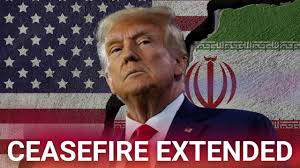
The decision by Donald Trump to extend the ceasefire with Iran reflects a calculated shift from immediate military escalation toward a more controlled diplomatic engagement, even as tensions remain high and the underlying conflict unresolved. The extension, announced just hours before the truce was due to expire, highlights the fragile balance between confrontation and negotiation that now defines relations between the two countries.
Rather than marking a clear step toward peace, the move appears to function as a strategic pause, allowing both sides to reassess their positions while maintaining pressure through other means. The continuation of economic and naval restrictions alongside the ceasefire underscores this dual-track approach, where diplomacy operates in parallel with coercive leverage.
This moment captures a broader pattern in modern conflict management, where temporary de-escalation is used to create space for negotiation without fundamentally altering the balance of power. The extension reflects not only immediate tactical considerations but also the recognition that prolonged instability carries significant economic and geopolitical risks.
Diplomatic Mediation Shapes Timing and Structure of Ceasefire Extension
The involvement of Pakistan as a mediator illustrates the importance of third-party diplomacy in sustaining dialogue during periods of heightened tension. By facilitating communication between the United States and Iran, Islamabad has positioned itself as a critical intermediary capable of influencing the trajectory of the conflict.
Mediation efforts often serve to bridge gaps that direct negotiations cannot easily overcome, particularly when mutual distrust limits engagement. In this case, the request to extend the ceasefire provided a mechanism to prevent an immediate return to hostilities while creating an opportunity for structured dialogue.
However, the effectiveness of such mediation depends on the willingness of both parties to engage in good faith. While the extension creates space for negotiation, it does not guarantee progress. Differences in strategic objectives and domestic political pressures continue to shape each side’s approach, limiting the scope for immediate resolution.
The role of mediators also highlights the broader international dimension of the conflict. Regional actors have a strong interest in preventing escalation, given the potential impact on trade routes, energy markets, and security dynamics. Their involvement adds complexity to the negotiation process but also increases the range of possible outcomes.
Strategic Ambiguity Reflects Diverging Objectives and Tactical Calculations
The unilateral nature of the ceasefire extension introduces an element of uncertainty regarding its durability and effectiveness. While the announcement signals a willingness to avoid immediate escalation, the absence of clear alignment from all parties raises questions about how long the truce can hold.
From the perspective of the United States, extending the ceasefire may serve multiple purposes. It allows time for diplomatic initiatives to develop while maintaining pressure through existing measures. It also provides an opportunity to assess internal developments within Iran, which could influence the direction of negotiations.
For Iran, the extension presents a more complex calculation. While avoiding immediate conflict may be beneficial, concerns about ongoing restrictions and strategic intentions remain. Skepticism toward the motives behind the extension reflects deeper issues of trust that have characterized relations between the two countries for decades.
This dynamic creates a situation in which both sides are engaged in a form of strategic signaling. Public statements, military positioning, and diplomatic actions all contribute to shaping perceptions and influencing the negotiation process. The ceasefire extension becomes part of this broader strategy, rather than a standalone event.
Economic and Energy Considerations Reinforce Need for Controlled De-Escalation
The conflict has had significant implications for global energy markets, given the strategic importance of the region in oil and gas supply. Disruptions to shipping routes and uncertainty around production have contributed to price volatility, affecting economies far beyond the immediate area of conflict.
In this context, the decision to extend the ceasefire reflects an awareness of the broader economic consequences of continued escalation. Prolonged instability in the region could lead to sustained disruptions in energy supply, with cascading effects on global trade and economic growth.
For policymakers, managing these risks requires a careful balance between strategic objectives and economic stability. While maintaining pressure may be seen as necessary, the potential costs of unchecked escalation create incentives for restraint.
The ceasefire extension can therefore be viewed as part of a broader effort to stabilize conditions while negotiations continue. By reducing the immediate risk of conflict, it helps to mitigate some of the uncertainty affecting global markets, even if underlying tensions remain unresolved.
Military Posture and Negotiation Leverage Remain Interconnected
Despite the extension of the ceasefire, military considerations continue to play a central role in shaping the negotiation environment. The presence of naval forces and ongoing restrictions serves as a reminder that the potential for escalation remains.
This interplay between military posture and diplomacy reflects a long-standing principle in international relations, where negotiations are often influenced by the balance of power. Maintaining a credible capacity for action can strengthen a negotiating position, but it also carries the risk of miscalculation.
The challenge lies in managing this balance without triggering unintended consequences. Clear communication and controlled escalation are essential to preventing incidents that could undermine the ceasefire and derail negotiations.
At the same time, domestic political factors influence decision-making on both sides. Leaders must consider public opinion, institutional dynamics, and broader strategic goals when determining their approach. These factors add complexity to the negotiation process, making outcomes less predictable.
Long-Term Resolution Depends on Bridging Structural Differences
The extension of the ceasefire provides a temporary framework for dialogue, but it does not address the underlying issues that have driven the conflict. Differences in political objectives, regional influence, and security concerns remain significant barriers to a lasting resolution.
Achieving a durable agreement will require more than tactical adjustments. It will involve addressing structural factors that have shaped relations over time, including competing strategic interests and mutual distrust. This process is likely to be gradual and subject to setbacks.
The current moment represents an opportunity to build momentum toward a more stable arrangement, but it also highlights the challenges involved. The ability of both sides to move beyond short-term calculations and engage in substantive negotiation will determine the trajectory of the conflict.
The ceasefire extension, while limited in scope, reflects an acknowledgment that continued escalation carries risks that extend beyond the immediate parties involved. It underscores the importance of maintaining channels for dialogue, even in the midst of ongoing tension.
(Source:www.aljazeera.com)