


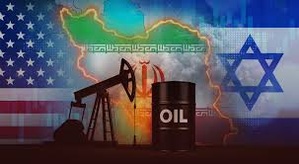
The ongoing conflict involving Iran has exposed a structural vulnerability at the core of the global economy: its deep and persistent dependence on uninterrupted energy flows. What distinguishes this crisis from earlier geopolitical disruptions is not merely the scale of supply loss, but the speed at which it has translated into systemic pressure across markets, governments, and households. As supply chains tighten and prices surge, the world is being pushed toward an unavoidable adjustment—pay significantly more for energy or reduce consumption in ways that reshape economic behavior.
At the center of this disruption lies the Strait of Hormuz, a narrow maritime passage that functions as a critical artery for global oil and liquefied natural gas trade. Its effective closure or restriction has removed a substantial portion of supply from international markets, triggering a shock that reverberates far beyond the immediate conflict zone. The consequences are not limited to fuel costs; they extend into food systems, industrial production, and the broader architecture of global trade.
Supply Disruption and the Mechanics of Price Escalation
The immediate effect of the conflict has been a sharp contraction in available energy supply. When a significant share of global oil and gas shipments is suddenly constrained, markets react with rapid price escalation. This is not simply a matter of speculation or panic; it reflects the fundamental imbalance between supply and demand that defines commodity pricing.
Energy markets are particularly sensitive to disruption because of their limited short-term flexibility. Unlike other sectors, where production can be adjusted relatively quickly, oil and gas supply chains operate on long cycles and require stable infrastructure. When key routes or facilities are damaged or inaccessible, the resulting gap cannot be easily filled. Strategic reserves may provide temporary relief, but they are insufficient to offset sustained disruptions.
As prices rise, the impact cascades through the economy. Transportation costs increase, raising the price of goods and services. Manufacturing becomes more expensive, particularly in energy-intensive industries. Households face higher utility bills and fuel expenses, reducing disposable income and altering consumption patterns. This chain reaction transforms an energy shock into a broader economic challenge.
Demand Destruction as an Inevitable Adjustment
When supply cannot be restored quickly, the burden of adjustment shifts to demand. In practical terms, this means consumption must fall until it aligns with reduced availability. This process, often referred to as demand destruction, occurs not through deliberate policy alone but through the pressure of rising prices.
Higher costs act as a natural constraint on usage. Consumers drive less, businesses scale back operations, and industries seek alternatives or reduce output. Governments may introduce conservation measures, such as limiting fuel access, reducing public sector energy use, or encouraging remote work. These actions, while varied in form, share a common objective: to reduce overall demand in response to constrained supply.
However, demand destruction is not a smooth or equitable process. It tends to affect lower-income households and energy-dependent sectors more severely, amplifying social and economic disparities. For developing economies, where energy costs constitute a larger share of total expenditure, the impact can be particularly acute. This uneven burden adds a layer of complexity to the global response, as policymakers must balance economic stability with social resilience.
Infrastructure Vulnerability and Long-Term Supply Constraints
Beyond immediate supply disruptions, the conflict has highlighted the fragility of energy infrastructure in conflict zones. Strikes on gas fields, refineries, and export terminals have created damage that may take years to repair, extending the duration of supply constraints. This transforms a short-term shock into a longer-term structural issue, with implications for investment, production capacity, and market expectations.
Energy infrastructure is not easily replaced or repaired. Facilities are often highly specialized, capital-intensive, and geographically fixed. Damage to such assets reduces not only current output but also future production potential. This creates a prolonged imbalance between supply and demand, sustaining higher prices even if immediate hostilities subside.
The targeting of energy infrastructure also introduces a strategic dimension to the conflict. By attacking or threatening these assets, both sides increase the stakes and broaden the scope of impact. What begins as a regional confrontation evolves into a global economic disruption, as the effects of infrastructure damage ripple through interconnected markets.
Global Policy Responses and the Limits of Intervention
Governments and international organizations have responded with a range of measures aimed at stabilizing markets and mitigating the impact of the crisis. Strategic reserves have been released to supplement supply, while policy initiatives encourage conservation and efficiency. Some countries have implemented direct controls, such as fuel rationing or export restrictions, to manage domestic availability.
These interventions, however, face inherent limitations. Strategic reserves are finite and designed for temporary relief rather than sustained replacement of lost supply. Conservation measures can reduce demand but often require behavioral changes that are difficult to enforce or sustain over time. Market interventions, such as price controls, risk distorting incentives and creating unintended consequences.
The diversity of responses also reflects differing national priorities and capacities. Wealthier countries may be better positioned to absorb higher costs or subsidize consumption, while others must adopt more stringent measures. This divergence can lead to fragmented outcomes, complicating efforts to coordinate a cohesive global strategy.
Energy, Food Systems, and the Expansion of Economic Risk
The impact of the conflict extends beyond energy markets into the global food system, illustrating the interconnected nature of modern supply chains. Fertilizer production and distribution are closely tied to energy availability, both as a feedstock and as a logistical requirement. Disruptions in energy supply therefore translate directly into higher fertilizer costs and reduced availability.
As fertilizer prices rise, agricultural production becomes more expensive, affecting planting decisions and crop yields. This creates the potential for reduced food supply, particularly in regions that rely heavily on imported inputs. The consequences are not immediate but unfold over time, as planting cycles and harvests reflect the constraints imposed by the crisis.
Food prices, in turn, influence inflation and economic stability, particularly in developing economies where households spend a larger share of income on basic necessities. This creates a feedback loop in which energy disruption amplifies food insecurity, further increasing the overall economic burden of the conflict.
The convergence of energy and food pressures highlights the systemic nature of the current crisis. It is not confined to a single sector or region but spans multiple layers of the global economy, reinforcing the need for coordinated and adaptive responses.
What emerges from this situation is a fundamental recalibration of how energy scarcity is managed in a tightly interconnected world. The combination of supply disruption, infrastructure damage, and limited policy tools leaves few immediate solutions. As a result, the adjustment process is being driven largely by market forces, with higher prices acting as the primary mechanism for restoring balance.
In this environment, the global economy is being compelled to adapt in real time. Consumption patterns are shifting, policy frameworks are evolving, and the relationship between energy availability and economic stability is being redefined. The Iran conflict, in this sense, is not only a geopolitical event but a catalyst for broader structural change, where the cost of energy becomes a central determinant of economic behavior and resilience.
(Sourec:www.theprint.in)
At the center of this disruption lies the Strait of Hormuz, a narrow maritime passage that functions as a critical artery for global oil and liquefied natural gas trade. Its effective closure or restriction has removed a substantial portion of supply from international markets, triggering a shock that reverberates far beyond the immediate conflict zone. The consequences are not limited to fuel costs; they extend into food systems, industrial production, and the broader architecture of global trade.
Supply Disruption and the Mechanics of Price Escalation
The immediate effect of the conflict has been a sharp contraction in available energy supply. When a significant share of global oil and gas shipments is suddenly constrained, markets react with rapid price escalation. This is not simply a matter of speculation or panic; it reflects the fundamental imbalance between supply and demand that defines commodity pricing.
Energy markets are particularly sensitive to disruption because of their limited short-term flexibility. Unlike other sectors, where production can be adjusted relatively quickly, oil and gas supply chains operate on long cycles and require stable infrastructure. When key routes or facilities are damaged or inaccessible, the resulting gap cannot be easily filled. Strategic reserves may provide temporary relief, but they are insufficient to offset sustained disruptions.
As prices rise, the impact cascades through the economy. Transportation costs increase, raising the price of goods and services. Manufacturing becomes more expensive, particularly in energy-intensive industries. Households face higher utility bills and fuel expenses, reducing disposable income and altering consumption patterns. This chain reaction transforms an energy shock into a broader economic challenge.
Demand Destruction as an Inevitable Adjustment
When supply cannot be restored quickly, the burden of adjustment shifts to demand. In practical terms, this means consumption must fall until it aligns with reduced availability. This process, often referred to as demand destruction, occurs not through deliberate policy alone but through the pressure of rising prices.
Higher costs act as a natural constraint on usage. Consumers drive less, businesses scale back operations, and industries seek alternatives or reduce output. Governments may introduce conservation measures, such as limiting fuel access, reducing public sector energy use, or encouraging remote work. These actions, while varied in form, share a common objective: to reduce overall demand in response to constrained supply.
However, demand destruction is not a smooth or equitable process. It tends to affect lower-income households and energy-dependent sectors more severely, amplifying social and economic disparities. For developing economies, where energy costs constitute a larger share of total expenditure, the impact can be particularly acute. This uneven burden adds a layer of complexity to the global response, as policymakers must balance economic stability with social resilience.
Infrastructure Vulnerability and Long-Term Supply Constraints
Beyond immediate supply disruptions, the conflict has highlighted the fragility of energy infrastructure in conflict zones. Strikes on gas fields, refineries, and export terminals have created damage that may take years to repair, extending the duration of supply constraints. This transforms a short-term shock into a longer-term structural issue, with implications for investment, production capacity, and market expectations.
Energy infrastructure is not easily replaced or repaired. Facilities are often highly specialized, capital-intensive, and geographically fixed. Damage to such assets reduces not only current output but also future production potential. This creates a prolonged imbalance between supply and demand, sustaining higher prices even if immediate hostilities subside.
The targeting of energy infrastructure also introduces a strategic dimension to the conflict. By attacking or threatening these assets, both sides increase the stakes and broaden the scope of impact. What begins as a regional confrontation evolves into a global economic disruption, as the effects of infrastructure damage ripple through interconnected markets.
Global Policy Responses and the Limits of Intervention
Governments and international organizations have responded with a range of measures aimed at stabilizing markets and mitigating the impact of the crisis. Strategic reserves have been released to supplement supply, while policy initiatives encourage conservation and efficiency. Some countries have implemented direct controls, such as fuel rationing or export restrictions, to manage domestic availability.
These interventions, however, face inherent limitations. Strategic reserves are finite and designed for temporary relief rather than sustained replacement of lost supply. Conservation measures can reduce demand but often require behavioral changes that are difficult to enforce or sustain over time. Market interventions, such as price controls, risk distorting incentives and creating unintended consequences.
The diversity of responses also reflects differing national priorities and capacities. Wealthier countries may be better positioned to absorb higher costs or subsidize consumption, while others must adopt more stringent measures. This divergence can lead to fragmented outcomes, complicating efforts to coordinate a cohesive global strategy.
Energy, Food Systems, and the Expansion of Economic Risk
The impact of the conflict extends beyond energy markets into the global food system, illustrating the interconnected nature of modern supply chains. Fertilizer production and distribution are closely tied to energy availability, both as a feedstock and as a logistical requirement. Disruptions in energy supply therefore translate directly into higher fertilizer costs and reduced availability.
As fertilizer prices rise, agricultural production becomes more expensive, affecting planting decisions and crop yields. This creates the potential for reduced food supply, particularly in regions that rely heavily on imported inputs. The consequences are not immediate but unfold over time, as planting cycles and harvests reflect the constraints imposed by the crisis.
Food prices, in turn, influence inflation and economic stability, particularly in developing economies where households spend a larger share of income on basic necessities. This creates a feedback loop in which energy disruption amplifies food insecurity, further increasing the overall economic burden of the conflict.
The convergence of energy and food pressures highlights the systemic nature of the current crisis. It is not confined to a single sector or region but spans multiple layers of the global economy, reinforcing the need for coordinated and adaptive responses.
What emerges from this situation is a fundamental recalibration of how energy scarcity is managed in a tightly interconnected world. The combination of supply disruption, infrastructure damage, and limited policy tools leaves few immediate solutions. As a result, the adjustment process is being driven largely by market forces, with higher prices acting as the primary mechanism for restoring balance.
In this environment, the global economy is being compelled to adapt in real time. Consumption patterns are shifting, policy frameworks are evolving, and the relationship between energy availability and economic stability is being redefined. The Iran conflict, in this sense, is not only a geopolitical event but a catalyst for broader structural change, where the cost of energy becomes a central determinant of economic behavior and resilience.
(Sourec:www.theprint.in)
