


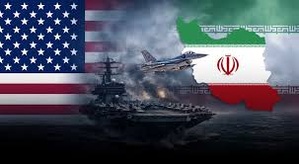
Iran’s warning of a potential response to any United States ground offensive reflects a calculated escalation strategy shaped by both military signaling and diplomatic positioning. As regional powers convene in Pakistan to explore pathways toward de-escalation, Tehran’s rhetoric underscores a dual-track approach: projecting strength to deter further military action while simultaneously engaging in indirect negotiations through regional intermediaries.
The timing of Iran’s warning is significant. It comes amid increasing indications that Washington is evaluating broader military options beyond air and naval operations. Reports of troop deployments and logistical preparations suggest that contingency planning for ground engagement is no longer theoretical. For Tehran, such signals trigger a strategic imperative to raise the perceived cost of escalation, thereby discouraging any move toward direct territorial confrontation.
Iran’s leadership has framed the possibility of a ground invasion not merely as a military threat but as an existential challenge to sovereignty. By publicly rejecting any notion of capitulation, Tehran is reinforcing a long-standing doctrine rooted in asymmetric warfare and strategic endurance. This doctrine relies on a combination of conventional defense, proxy networks, and geographic advantage to offset the technological superiority of its adversaries.
Deterrence Signaling and the Logic of Strategic Messaging
Iran’s warning is not an isolated statement but part of a broader deterrence architecture designed to influence decision-making in Washington. By emphasizing readiness to respond, Tehran seeks to introduce uncertainty into U.S. military planning. Ground operations in Iran would entail complex terrain, extended supply lines, and the risk of prolonged engagement—factors that historically shape the calculus of intervention.
The messaging also serves a domestic purpose. In times of external threat, political cohesion becomes critical. By adopting a firm stance, Iranian leadership aims to consolidate internal support and project resilience. This is particularly important given the economic strain caused by sanctions and the disruption of energy exports, both of which have intensified under the current conflict dynamics.
At the same time, Iran’s signaling is carefully calibrated to avoid closing the door on diplomacy. While rejecting terms perceived as coercive, Tehran continues to engage through indirect channels. This reflects an understanding that outright confrontation with the United States carries significant risks, even within a framework of deterrence.
Regional Diplomacy as a Counterbalance to Escalation
The meeting of foreign ministers from key regional powers in Pakistan represents a parallel effort to contain the conflict. Countries such as Saudi Arabia, Turkey, Egypt, and Pakistan occupy a unique position, maintaining varying degrees of engagement with both Tehran and Washington. Their involvement highlights the growing importance of regional diplomacy in managing conflicts that have global implications.
Pakistan’s role as host is particularly noteworthy. With its strategic ties to both the United States and Iran, Islamabad is positioned as a potential mediator capable of facilitating dialogue. High-level contacts between military and political leadership across these countries indicate that diplomatic engagement is not limited to formal negotiations but extends to backchannel communications.
The agenda of these discussions reflects immediate priorities: achieving a ceasefire, ensuring the security of critical maritime routes, and preventing further regional spillover. The closure of key shipping lanes has already disrupted global energy markets, underscoring the urgency of coordinated action.
Turkey’s involvement in efforts to reopen maritime corridors illustrates the practical dimension of these diplomatic initiatives. Ensuring the safe passage of ships is not only an economic necessity but also a confidence-building measure that could pave the way for broader negotiations.
Military Developments and Expanding Conflict Geography
Despite ongoing diplomatic efforts, military activity continues to intensify across multiple fronts. Airstrikes targeting infrastructure, retaliatory drone attacks, and the involvement of allied non-state actors have expanded the geographic scope of the conflict. What began as a concentrated confrontation has evolved into a multi-theatre engagement affecting several countries in the region.
The deployment of additional U.S. forces signals a shift toward greater operational readiness. Amphibious units and specialized forces provide flexibility for a range of scenarios, from limited raids to sustained ground operations. This buildup, while framed as a precautionary measure, reinforces perceptions of escalation and contributes to the urgency of Iran’s warnings.
Israel’s continued targeting of strategic sites within Iran further complicates the situation. These operations aim to degrade military capabilities but also risk provoking broader retaliation. The interplay between direct strikes and proxy responses creates a dynamic in which escalation can occur rapidly and unpredictably.
The involvement of groups aligned with Iran, including those operating from Yemen and other parts of the region, adds another layer of complexity. Their actions extend the conflict beyond traditional battlefields, affecting critical infrastructure and international shipping routes.
Energy Security, Maritime Risks, and Global Implications
One of the most significant consequences of the conflict has been its impact on global energy supply chains. The disruption of key maritime chokepoints has constrained the flow of oil and liquefied natural gas, driving volatility in international markets. The strategic importance of these routes makes them both targets and leverage points in the broader conflict.
The effective closure of major shipping corridors has forced rerouting of vessels, increased transit times, and elevated costs. Insurance premiums for ships operating in the region have surged, reflecting heightened risk. These developments have far-reaching implications, affecting not only energy markets but also global trade.
Iran’s ability to influence these routes forms a central component of its strategic leverage. By signaling the potential for disruption, Tehran enhances its bargaining position while also imposing costs on its adversaries. However, this strategy carries inherent risks, as prolonged disruption can trigger coordinated international responses.
Efforts to reopen these routes are therefore critical to stabilizing the situation. Diplomatic initiatives aimed at ensuring safe passage represent a convergence of economic and security interests, highlighting the interconnected nature of modern conflicts.
Balancing Confrontation and Negotiation in a Volatile Landscape
The current phase of the conflict illustrates the delicate balance between confrontation and negotiation. Iran’s warning to the United States reflects a broader strategy that seeks to deter escalation without foreclosing diplomatic options. At the same time, regional powers are actively working to create conditions for dialogue, recognizing the broader consequences of prolonged instability.
This interplay between military signaling and diplomatic engagement defines the evolving dynamics of the crisis. Each action, whether a troop deployment or a negotiation proposal, carries implications that extend beyond immediate tactical considerations. The challenge for all parties lies in managing these dynamics in a way that prevents escalation while addressing underlying strategic objectives.
As the situation continues to unfold, the convergence of deterrence, diplomacy, and economic pressures will shape the trajectory of the conflict. The outcome will depend not only on military capabilities but also on the ability of regional and global actors to navigate a complex and rapidly changing landscape.
(Source:www.firstpost.com)
The timing of Iran’s warning is significant. It comes amid increasing indications that Washington is evaluating broader military options beyond air and naval operations. Reports of troop deployments and logistical preparations suggest that contingency planning for ground engagement is no longer theoretical. For Tehran, such signals trigger a strategic imperative to raise the perceived cost of escalation, thereby discouraging any move toward direct territorial confrontation.
Iran’s leadership has framed the possibility of a ground invasion not merely as a military threat but as an existential challenge to sovereignty. By publicly rejecting any notion of capitulation, Tehran is reinforcing a long-standing doctrine rooted in asymmetric warfare and strategic endurance. This doctrine relies on a combination of conventional defense, proxy networks, and geographic advantage to offset the technological superiority of its adversaries.
Deterrence Signaling and the Logic of Strategic Messaging
Iran’s warning is not an isolated statement but part of a broader deterrence architecture designed to influence decision-making in Washington. By emphasizing readiness to respond, Tehran seeks to introduce uncertainty into U.S. military planning. Ground operations in Iran would entail complex terrain, extended supply lines, and the risk of prolonged engagement—factors that historically shape the calculus of intervention.
The messaging also serves a domestic purpose. In times of external threat, political cohesion becomes critical. By adopting a firm stance, Iranian leadership aims to consolidate internal support and project resilience. This is particularly important given the economic strain caused by sanctions and the disruption of energy exports, both of which have intensified under the current conflict dynamics.
At the same time, Iran’s signaling is carefully calibrated to avoid closing the door on diplomacy. While rejecting terms perceived as coercive, Tehran continues to engage through indirect channels. This reflects an understanding that outright confrontation with the United States carries significant risks, even within a framework of deterrence.
Regional Diplomacy as a Counterbalance to Escalation
The meeting of foreign ministers from key regional powers in Pakistan represents a parallel effort to contain the conflict. Countries such as Saudi Arabia, Turkey, Egypt, and Pakistan occupy a unique position, maintaining varying degrees of engagement with both Tehran and Washington. Their involvement highlights the growing importance of regional diplomacy in managing conflicts that have global implications.
Pakistan’s role as host is particularly noteworthy. With its strategic ties to both the United States and Iran, Islamabad is positioned as a potential mediator capable of facilitating dialogue. High-level contacts between military and political leadership across these countries indicate that diplomatic engagement is not limited to formal negotiations but extends to backchannel communications.
The agenda of these discussions reflects immediate priorities: achieving a ceasefire, ensuring the security of critical maritime routes, and preventing further regional spillover. The closure of key shipping lanes has already disrupted global energy markets, underscoring the urgency of coordinated action.
Turkey’s involvement in efforts to reopen maritime corridors illustrates the practical dimension of these diplomatic initiatives. Ensuring the safe passage of ships is not only an economic necessity but also a confidence-building measure that could pave the way for broader negotiations.
Military Developments and Expanding Conflict Geography
Despite ongoing diplomatic efforts, military activity continues to intensify across multiple fronts. Airstrikes targeting infrastructure, retaliatory drone attacks, and the involvement of allied non-state actors have expanded the geographic scope of the conflict. What began as a concentrated confrontation has evolved into a multi-theatre engagement affecting several countries in the region.
The deployment of additional U.S. forces signals a shift toward greater operational readiness. Amphibious units and specialized forces provide flexibility for a range of scenarios, from limited raids to sustained ground operations. This buildup, while framed as a precautionary measure, reinforces perceptions of escalation and contributes to the urgency of Iran’s warnings.
Israel’s continued targeting of strategic sites within Iran further complicates the situation. These operations aim to degrade military capabilities but also risk provoking broader retaliation. The interplay between direct strikes and proxy responses creates a dynamic in which escalation can occur rapidly and unpredictably.
The involvement of groups aligned with Iran, including those operating from Yemen and other parts of the region, adds another layer of complexity. Their actions extend the conflict beyond traditional battlefields, affecting critical infrastructure and international shipping routes.
Energy Security, Maritime Risks, and Global Implications
One of the most significant consequences of the conflict has been its impact on global energy supply chains. The disruption of key maritime chokepoints has constrained the flow of oil and liquefied natural gas, driving volatility in international markets. The strategic importance of these routes makes them both targets and leverage points in the broader conflict.
The effective closure of major shipping corridors has forced rerouting of vessels, increased transit times, and elevated costs. Insurance premiums for ships operating in the region have surged, reflecting heightened risk. These developments have far-reaching implications, affecting not only energy markets but also global trade.
Iran’s ability to influence these routes forms a central component of its strategic leverage. By signaling the potential for disruption, Tehran enhances its bargaining position while also imposing costs on its adversaries. However, this strategy carries inherent risks, as prolonged disruption can trigger coordinated international responses.
Efforts to reopen these routes are therefore critical to stabilizing the situation. Diplomatic initiatives aimed at ensuring safe passage represent a convergence of economic and security interests, highlighting the interconnected nature of modern conflicts.
Balancing Confrontation and Negotiation in a Volatile Landscape
The current phase of the conflict illustrates the delicate balance between confrontation and negotiation. Iran’s warning to the United States reflects a broader strategy that seeks to deter escalation without foreclosing diplomatic options. At the same time, regional powers are actively working to create conditions for dialogue, recognizing the broader consequences of prolonged instability.
This interplay between military signaling and diplomatic engagement defines the evolving dynamics of the crisis. Each action, whether a troop deployment or a negotiation proposal, carries implications that extend beyond immediate tactical considerations. The challenge for all parties lies in managing these dynamics in a way that prevents escalation while addressing underlying strategic objectives.
As the situation continues to unfold, the convergence of deterrence, diplomacy, and economic pressures will shape the trajectory of the conflict. The outcome will depend not only on military capabilities but also on the ability of regional and global actors to navigate a complex and rapidly changing landscape.
(Source:www.firstpost.com)
