


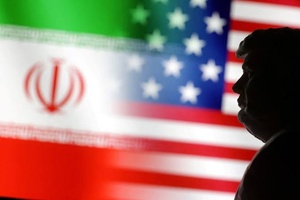
President Donald Trump's decision to intensify military pressure on Iran reflects a strategy built on the belief that sustained military and economic coercion can eventually force Tehran back to negotiations on terms favourable to Washington. Yet the latest phase of the US-Iran war suggests the opposite may be unfolding. Rather than compelling Iranian concessions, the expanding campaign has widened the conflict, increased risks to global energy supplies and strengthened Tehran's willingness to respond through asymmetric military tactics. As Washington considers broader military options, the central question is no longer whether additional strikes can damage Iran's capabilities, but whether they can achieve political objectives that months of conflict have failed to deliver.
The renewed escalation follows the collapse of an interim ceasefire that briefly raised hopes of reducing tensions. Since then, both countries have resumed military operations, while diplomatic efforts have struggled to regain momentum. Washington continues demanding changes to Iran's behaviour, particularly regarding maritime security and its nuclear programme, while Tehran has shown little indication that additional military pressure will alter its negotiating position. Instead, each new round of strikes has been followed by new forms of retaliation, creating a cycle that appears increasingly difficult for either side to control.
Military escalation is replacing diplomatic leverage
The Trump administration has steadily expanded the scope of military operations against Iran since the ceasefire collapsed. American strikes have increasingly focused on surveillance facilities, logistics networks, maritime capabilities and other military infrastructure intended to reduce Iran's operational flexibility.
At the same time, President Trump has publicly discussed broader military options, including attacks on energy infrastructure, transport networks and strategic facilities connected to Iran's military and nuclear programmes. Reports have also indicated that military planners have examined options extending beyond the current air campaign, although officials continue to emphasise that diplomacy remains Washington's preferred outcome if Iran changes its approach.
The broader target list reflects growing frustration within the administration. Months of military operations have inflicted substantial damage on Iran's armed forces, yet they have not produced the political concessions Washington has sought. Instead of reducing hostilities, the conflict has evolved into an increasingly complex confrontation involving military operations, economic pressure and maritime security.
This shift illustrates a recurring challenge in modern conflicts. Tactical military success does not automatically translate into strategic or political success, particularly when the opposing side retains the ability to impose costs through unconventional methods.
Iran continues to rely on asymmetric pressure
Rather than confronting the United States through conventional military superiority, Iran has increasingly relied on asymmetric strategies designed to raise the costs of continued American operations.
The latest exchanges have demonstrated Tehran's willingness to target countries hosting American military assets, threaten critical shipping routes and signal potential disruption of global energy supplies. Iranian officials have also warned that allied groups, including the Houthis in Yemen, could expand military operations affecting the Bab al-Mandeb Strait if Washington broadens attacks on Iranian infrastructure. Such threats, if acted upon, would place additional pressure on one of the world's most important maritime trade corridors.
This approach allows Iran to avoid direct conventional confrontation while expanding the strategic consequences of the war. Instead of matching American military capabilities, Tehran seeks to increase uncertainty for Washington and its regional partners by demonstrating that continued escalation carries wider economic and geopolitical consequences.
Analysts note that this strategy has become increasingly important because Iran retains significant missile and drone capabilities despite months of military pressure. As long as those capabilities remain operational, Tehran can continue imposing costs that extend well beyond the immediate battlefield.
The Strait of Hormuz remains Washington's central challenge
At the heart of the conflict lies the Strait of Hormuz, the narrow waterway through which roughly one-fifth of globally traded oil normally passes. Washington's objective extends beyond military retaliation. It seeks to ensure unrestricted navigation through the Strait while preventing Iran from using control over maritime access as strategic leverage. Tehran, however, continues to view the waterway as an essential component of its national security and regional influence.
The collapse of the interim agreement reflects these competing strategic visions. While the United States and its partners insist on unrestricted international navigation, Iran maintains that it should retain an influential role in managing activity around the Strait. These opposing positions have complicated negotiations and reduced prospects for a rapid diplomatic breakthrough.
The dispute illustrates why military operations alone may not resolve the conflict. Even extensive damage to military infrastructure cannot eliminate the geographical reality that Iran occupies a commanding position along one of the world's most important energy corridors.
Expanding military options carry increasing risks
Reports indicate that the Trump administration has examined additional military options, including attacks on bridges, energy infrastructure and deeply protected strategic facilities inside Iran.
Such proposals are intended to increase pressure on Tehran's leadership by degrading critical infrastructure supporting military operations and economic resilience. However, many analysts argue that expanding the target list could also produce unintended consequences.
Strikes on additional infrastructure may encourage Iran to intensify retaliation against regional partners, expand attacks on commercial shipping or increase pressure through allied groups operating elsewhere in the Middle East. Rather than reducing the conflict, broader military operations could therefore widen it geographically while making diplomatic compromise even more difficult.
Another factor complicating Washington's calculations is the absence of a clearly defined political end state. Air campaigns can weaken military capabilities, but they rarely determine how or when an adversary decides to negotiate. Without a realistic diplomatic pathway accompanying military pressure, escalation risks becoming an open-ended strategy rather than a means of achieving specific political objectives.
Economic consequences are increasing political pressure
The strategic consequences of the conflict extend far beyond the battlefield. Oil prices have risen sharply as markets respond to renewed uncertainty surrounding Gulf shipping routes and energy infrastructure. Investors increasingly view the conflict as a risk to global supply chains rather than merely another regional security crisis.
Higher energy prices also create domestic political challenges for Washington. Rising fuel costs contribute to inflationary pressures, increase transportation expenses and affect consumer confidence. These economic consequences arrive at a politically sensitive period as the administration seeks to maintain public support ahead of congressional elections.
Internationally, prolonged instability also encourages governments and businesses to reconsider energy security strategies, diversify supply routes and reduce dependence on vulnerable maritime corridors. While such changes develop gradually, they demonstrate that military conflicts increasingly produce long-term economic consequences extending well beyond immediate combat operations.
Previous patterns raise questions about future strategy
The current phase of the US-Iran war has revived a debate that has accompanied earlier confrontations between the two countries: whether increasing military pressure eventually produces diplomatic breakthroughs or simply deepens resistance.
Many regional specialists argue that Iran's leadership has historically responded to external military pressure by strengthening its negotiating position rather than weakening it. From this perspective, additional strikes may reinforce Tehran's determination to resist demands perceived as threatening national sovereignty instead of encouraging compromise.
Supporters of the administration maintain that sustained military and economic pressure previously brought Iran into negotiations and could eventually do so again if consistently applied. Critics, however, argue that the present conflict differs because both sides have already absorbed months of military confrontation, making each additional escalation less likely to produce fundamentally different political outcomes.
As the war enters a more dangerous stage, the central challenge facing Washington is no longer demonstrating military superiority. That has never been seriously questioned. The more difficult task is translating battlefield pressure into a durable political settlement. Until that gap between military success and political resolution narrows, every new escalation risks extending a conflict whose strategic costs continue to rise for both the United States and Iran, while increasing uncertainty across global energy markets and regional security.
(Source:www.invesitng.com)
The renewed escalation follows the collapse of an interim ceasefire that briefly raised hopes of reducing tensions. Since then, both countries have resumed military operations, while diplomatic efforts have struggled to regain momentum. Washington continues demanding changes to Iran's behaviour, particularly regarding maritime security and its nuclear programme, while Tehran has shown little indication that additional military pressure will alter its negotiating position. Instead, each new round of strikes has been followed by new forms of retaliation, creating a cycle that appears increasingly difficult for either side to control.
Military escalation is replacing diplomatic leverage
The Trump administration has steadily expanded the scope of military operations against Iran since the ceasefire collapsed. American strikes have increasingly focused on surveillance facilities, logistics networks, maritime capabilities and other military infrastructure intended to reduce Iran's operational flexibility.
At the same time, President Trump has publicly discussed broader military options, including attacks on energy infrastructure, transport networks and strategic facilities connected to Iran's military and nuclear programmes. Reports have also indicated that military planners have examined options extending beyond the current air campaign, although officials continue to emphasise that diplomacy remains Washington's preferred outcome if Iran changes its approach.
The broader target list reflects growing frustration within the administration. Months of military operations have inflicted substantial damage on Iran's armed forces, yet they have not produced the political concessions Washington has sought. Instead of reducing hostilities, the conflict has evolved into an increasingly complex confrontation involving military operations, economic pressure and maritime security.
This shift illustrates a recurring challenge in modern conflicts. Tactical military success does not automatically translate into strategic or political success, particularly when the opposing side retains the ability to impose costs through unconventional methods.
Iran continues to rely on asymmetric pressure
Rather than confronting the United States through conventional military superiority, Iran has increasingly relied on asymmetric strategies designed to raise the costs of continued American operations.
The latest exchanges have demonstrated Tehran's willingness to target countries hosting American military assets, threaten critical shipping routes and signal potential disruption of global energy supplies. Iranian officials have also warned that allied groups, including the Houthis in Yemen, could expand military operations affecting the Bab al-Mandeb Strait if Washington broadens attacks on Iranian infrastructure. Such threats, if acted upon, would place additional pressure on one of the world's most important maritime trade corridors.
This approach allows Iran to avoid direct conventional confrontation while expanding the strategic consequences of the war. Instead of matching American military capabilities, Tehran seeks to increase uncertainty for Washington and its regional partners by demonstrating that continued escalation carries wider economic and geopolitical consequences.
Analysts note that this strategy has become increasingly important because Iran retains significant missile and drone capabilities despite months of military pressure. As long as those capabilities remain operational, Tehran can continue imposing costs that extend well beyond the immediate battlefield.
The Strait of Hormuz remains Washington's central challenge
At the heart of the conflict lies the Strait of Hormuz, the narrow waterway through which roughly one-fifth of globally traded oil normally passes. Washington's objective extends beyond military retaliation. It seeks to ensure unrestricted navigation through the Strait while preventing Iran from using control over maritime access as strategic leverage. Tehran, however, continues to view the waterway as an essential component of its national security and regional influence.
The collapse of the interim agreement reflects these competing strategic visions. While the United States and its partners insist on unrestricted international navigation, Iran maintains that it should retain an influential role in managing activity around the Strait. These opposing positions have complicated negotiations and reduced prospects for a rapid diplomatic breakthrough.
The dispute illustrates why military operations alone may not resolve the conflict. Even extensive damage to military infrastructure cannot eliminate the geographical reality that Iran occupies a commanding position along one of the world's most important energy corridors.
Expanding military options carry increasing risks
Reports indicate that the Trump administration has examined additional military options, including attacks on bridges, energy infrastructure and deeply protected strategic facilities inside Iran.
Such proposals are intended to increase pressure on Tehran's leadership by degrading critical infrastructure supporting military operations and economic resilience. However, many analysts argue that expanding the target list could also produce unintended consequences.
Strikes on additional infrastructure may encourage Iran to intensify retaliation against regional partners, expand attacks on commercial shipping or increase pressure through allied groups operating elsewhere in the Middle East. Rather than reducing the conflict, broader military operations could therefore widen it geographically while making diplomatic compromise even more difficult.
Another factor complicating Washington's calculations is the absence of a clearly defined political end state. Air campaigns can weaken military capabilities, but they rarely determine how or when an adversary decides to negotiate. Without a realistic diplomatic pathway accompanying military pressure, escalation risks becoming an open-ended strategy rather than a means of achieving specific political objectives.
Economic consequences are increasing political pressure
The strategic consequences of the conflict extend far beyond the battlefield. Oil prices have risen sharply as markets respond to renewed uncertainty surrounding Gulf shipping routes and energy infrastructure. Investors increasingly view the conflict as a risk to global supply chains rather than merely another regional security crisis.
Higher energy prices also create domestic political challenges for Washington. Rising fuel costs contribute to inflationary pressures, increase transportation expenses and affect consumer confidence. These economic consequences arrive at a politically sensitive period as the administration seeks to maintain public support ahead of congressional elections.
Internationally, prolonged instability also encourages governments and businesses to reconsider energy security strategies, diversify supply routes and reduce dependence on vulnerable maritime corridors. While such changes develop gradually, they demonstrate that military conflicts increasingly produce long-term economic consequences extending well beyond immediate combat operations.
Previous patterns raise questions about future strategy
The current phase of the US-Iran war has revived a debate that has accompanied earlier confrontations between the two countries: whether increasing military pressure eventually produces diplomatic breakthroughs or simply deepens resistance.
Many regional specialists argue that Iran's leadership has historically responded to external military pressure by strengthening its negotiating position rather than weakening it. From this perspective, additional strikes may reinforce Tehran's determination to resist demands perceived as threatening national sovereignty instead of encouraging compromise.
Supporters of the administration maintain that sustained military and economic pressure previously brought Iran into negotiations and could eventually do so again if consistently applied. Critics, however, argue that the present conflict differs because both sides have already absorbed months of military confrontation, making each additional escalation less likely to produce fundamentally different political outcomes.
As the war enters a more dangerous stage, the central challenge facing Washington is no longer demonstrating military superiority. That has never been seriously questioned. The more difficult task is translating battlefield pressure into a durable political settlement. Until that gap between military success and political resolution narrows, every new escalation risks extending a conflict whose strategic costs continue to rise for both the United States and Iran, while increasing uncertainty across global energy markets and regional security.
(Source:www.invesitng.com)
