


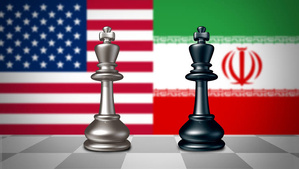
The latest phase of the United States-Iran conflict is reshaping the strategic landscape of the Gulf by extending military operations beyond conventional targets to include shipping routes and critical civilian infrastructure. Fresh exchanges of strikes have intensified concerns that the conflict is evolving into a broader contest over economic leverage, with maritime trade, energy exports and water security emerging as key pressure points.
Iran's Revolutionary Guards said they launched attacks against United States military assets across the Middle East following another night of American strikes on Iranian territory. Washington described its operations as part of an effort to reduce Iran's military capabilities after recent attacks that killed American service members. The renewed exchanges have further weakened an already fragile ceasefire framework while increasing uncertainty across one of the world's most strategically important regions.
Although military operations remain central to the confrontation, the growing focus on shipping lanes and desalination facilities suggests that both sides are increasingly targeting assets capable of generating wider economic and political consequences rather than seeking only battlefield advantages.
Strategic waterways become the central battleground
The Strait of Hormuz has once again become the focal point of regional tensions. The narrow waterway carries a substantial share of global crude oil exports and liquefied natural gas shipments, making any disruption far more significant than a local security incident.
Reports of tanker incidents, attacks on commercial vessels and reduced shipping activity have reinforced fears among energy traders and shipping companies. Maritime security agencies have also reported separate incidents involving vessels near Oman's coast, adding to uncertainty over the safety of commercial navigation.
The combination of military operations and shipping disruptions has prompted several companies to reassess transit plans through the strait. Some vessels have delayed voyages, while others have waited outside the Gulf for improved security conditions. Even temporary interruptions can increase freight costs, insurance premiums and delivery times for energy cargoes heading toward Asian and European markets.
Oil prices briefly climbed above the ninety-dollar-per-barrel mark before retreating as indications emerged that diplomatic contacts between Tehran and international mediators remained active. The market response reflected the balance between immediate supply concerns and hopes that negotiations could still prevent a wider regional conflict.
The economic implications extend well beyond crude oil. The Strait of Hormuz is equally important for natural gas exports, petrochemical shipments and container traffic serving Gulf economies. Prolonged instability therefore risks affecting multiple sectors simultaneously rather than energy markets alone.
Civilian infrastructure enters the conflict
One of the most significant developments has been the increasing emphasis on civilian infrastructure, particularly desalination facilities that supply drinking water across Gulf countries.
Authorities in Kuwait reported another attack on a desalination plant, describing it as a direct strike on essential civilian infrastructure. Earlier, Iran accused the United States of striking one of its own desalination facilities, although Washington has not confirmed that claim.
This shift represents an important escalation because Gulf states depend heavily on desalination for fresh water. Unlike conventional energy facilities, these plants directly support daily life for millions of residents across some of the world's driest countries.
Any sustained disruption could quickly create humanitarian and public health challenges alongside economic losses. Water production facilities are difficult to replace rapidly, and repairs may become more complicated if hostilities continue.
The emergence of water infrastructure as a potential military target also broadens the definition of strategic assets within the conflict. It demonstrates how modern warfare increasingly extends beyond military installations into sectors essential for civilian resilience and economic stability.
Regional security pressures widen
The conflict has spread beyond Iran and the United States through attacks involving several Gulf countries that host American military facilities.
Iran said it targeted military positions in Jordan, Kuwait and Syria while also claiming strikes against United States assets elsewhere in the region. Bahrain reported attacks involving its civil aviation navigation systems, although authorities said flight operations continued without interruption. Kuwait also reported intercepting hostile drones during Iranian attacks.
These developments illustrate how regional military alliances have increased the number of potential flashpoints. Countries hosting foreign military bases now face heightened security risks even when they are not direct participants in the broader conflict.
Such attacks also increase pressure on regional governments to strengthen air defence systems, protect critical infrastructure and maintain commercial confidence at a time when investors are already reacting cautiously to geopolitical uncertainty.
The wider the geographic spread of military operations becomes, the greater the possibility that accidental escalation or miscalculation could complicate diplomatic efforts aimed at reducing hostilities.
Economic pressure shapes military calculations
Energy markets remain highly sensitive to developments in the Gulf because the region continues to occupy a central role in global oil and gas supplies. Although markets have become more diversified over recent decades, prolonged disruption in the Strait of Hormuz would still present serious challenges for global energy security. Rising shipping costs, insurance premiums and longer delivery routes could add inflationary pressure even if physical supply losses remain limited.
In the United States, higher fuel prices have created additional domestic political pressure. President Donald Trump defended continued military operations as a response to attacks on American personnel while also arguing that the campaign is weakening Iran's military capabilities.
For Iran, demonstrating its ability to influence regional shipping and infrastructure reinforces its strategic leverage despite facing sustained military pressure. Rather than relying solely on direct confrontation, targeting economically significant assets allows Tehran to impose broader costs on its adversaries and regional partners.
This dynamic illustrates how economic considerations increasingly influence military decision-making. Both sides appear aware that pressure on critical infrastructure may produce political consequences extending beyond immediate battlefield outcomes.
Diplomacy remains active despite escalating violence
Despite continued military operations, neither Washington nor Tehran has completely closed the door on negotiations. American officials have stated that diplomatic solutions remain possible provided attacks on commercial shipping cease. Meanwhile, Iranian officials confirmed that proposals from international mediators have recently reached Tehran, indicating that diplomatic channels remain operational even as military exchanges continue.
The coexistence of active diplomacy and escalating conflict reflects the complexity of the current situation. Military pressure appears to be unfolding alongside parallel political efforts rather than replacing them entirely.
Whether those diplomatic contacts can produce meaningful progress remains uncertain. However, their continuation offers at least a limited indication that both sides still recognise the risks associated with allowing the conflict to expand further across the Gulf.
For now, the growing focus on maritime trade routes, civilian infrastructure and regional military facilities suggests that the conflict has entered a more complex phase, where strategic influence increasingly depends not only on military strength but also on the ability to shape economic stability, commercial confidence and the functioning of essential public services.
(Source:www.tbsnews.com)
Iran's Revolutionary Guards said they launched attacks against United States military assets across the Middle East following another night of American strikes on Iranian territory. Washington described its operations as part of an effort to reduce Iran's military capabilities after recent attacks that killed American service members. The renewed exchanges have further weakened an already fragile ceasefire framework while increasing uncertainty across one of the world's most strategically important regions.
Although military operations remain central to the confrontation, the growing focus on shipping lanes and desalination facilities suggests that both sides are increasingly targeting assets capable of generating wider economic and political consequences rather than seeking only battlefield advantages.
Strategic waterways become the central battleground
The Strait of Hormuz has once again become the focal point of regional tensions. The narrow waterway carries a substantial share of global crude oil exports and liquefied natural gas shipments, making any disruption far more significant than a local security incident.
Reports of tanker incidents, attacks on commercial vessels and reduced shipping activity have reinforced fears among energy traders and shipping companies. Maritime security agencies have also reported separate incidents involving vessels near Oman's coast, adding to uncertainty over the safety of commercial navigation.
The combination of military operations and shipping disruptions has prompted several companies to reassess transit plans through the strait. Some vessels have delayed voyages, while others have waited outside the Gulf for improved security conditions. Even temporary interruptions can increase freight costs, insurance premiums and delivery times for energy cargoes heading toward Asian and European markets.
Oil prices briefly climbed above the ninety-dollar-per-barrel mark before retreating as indications emerged that diplomatic contacts between Tehran and international mediators remained active. The market response reflected the balance between immediate supply concerns and hopes that negotiations could still prevent a wider regional conflict.
The economic implications extend well beyond crude oil. The Strait of Hormuz is equally important for natural gas exports, petrochemical shipments and container traffic serving Gulf economies. Prolonged instability therefore risks affecting multiple sectors simultaneously rather than energy markets alone.
Civilian infrastructure enters the conflict
One of the most significant developments has been the increasing emphasis on civilian infrastructure, particularly desalination facilities that supply drinking water across Gulf countries.
Authorities in Kuwait reported another attack on a desalination plant, describing it as a direct strike on essential civilian infrastructure. Earlier, Iran accused the United States of striking one of its own desalination facilities, although Washington has not confirmed that claim.
This shift represents an important escalation because Gulf states depend heavily on desalination for fresh water. Unlike conventional energy facilities, these plants directly support daily life for millions of residents across some of the world's driest countries.
Any sustained disruption could quickly create humanitarian and public health challenges alongside economic losses. Water production facilities are difficult to replace rapidly, and repairs may become more complicated if hostilities continue.
The emergence of water infrastructure as a potential military target also broadens the definition of strategic assets within the conflict. It demonstrates how modern warfare increasingly extends beyond military installations into sectors essential for civilian resilience and economic stability.
Regional security pressures widen
The conflict has spread beyond Iran and the United States through attacks involving several Gulf countries that host American military facilities.
Iran said it targeted military positions in Jordan, Kuwait and Syria while also claiming strikes against United States assets elsewhere in the region. Bahrain reported attacks involving its civil aviation navigation systems, although authorities said flight operations continued without interruption. Kuwait also reported intercepting hostile drones during Iranian attacks.
These developments illustrate how regional military alliances have increased the number of potential flashpoints. Countries hosting foreign military bases now face heightened security risks even when they are not direct participants in the broader conflict.
Such attacks also increase pressure on regional governments to strengthen air defence systems, protect critical infrastructure and maintain commercial confidence at a time when investors are already reacting cautiously to geopolitical uncertainty.
The wider the geographic spread of military operations becomes, the greater the possibility that accidental escalation or miscalculation could complicate diplomatic efforts aimed at reducing hostilities.
Economic pressure shapes military calculations
Energy markets remain highly sensitive to developments in the Gulf because the region continues to occupy a central role in global oil and gas supplies. Although markets have become more diversified over recent decades, prolonged disruption in the Strait of Hormuz would still present serious challenges for global energy security. Rising shipping costs, insurance premiums and longer delivery routes could add inflationary pressure even if physical supply losses remain limited.
In the United States, higher fuel prices have created additional domestic political pressure. President Donald Trump defended continued military operations as a response to attacks on American personnel while also arguing that the campaign is weakening Iran's military capabilities.
For Iran, demonstrating its ability to influence regional shipping and infrastructure reinforces its strategic leverage despite facing sustained military pressure. Rather than relying solely on direct confrontation, targeting economically significant assets allows Tehran to impose broader costs on its adversaries and regional partners.
This dynamic illustrates how economic considerations increasingly influence military decision-making. Both sides appear aware that pressure on critical infrastructure may produce political consequences extending beyond immediate battlefield outcomes.
Diplomacy remains active despite escalating violence
Despite continued military operations, neither Washington nor Tehran has completely closed the door on negotiations. American officials have stated that diplomatic solutions remain possible provided attacks on commercial shipping cease. Meanwhile, Iranian officials confirmed that proposals from international mediators have recently reached Tehran, indicating that diplomatic channels remain operational even as military exchanges continue.
The coexistence of active diplomacy and escalating conflict reflects the complexity of the current situation. Military pressure appears to be unfolding alongside parallel political efforts rather than replacing them entirely.
Whether those diplomatic contacts can produce meaningful progress remains uncertain. However, their continuation offers at least a limited indication that both sides still recognise the risks associated with allowing the conflict to expand further across the Gulf.
For now, the growing focus on maritime trade routes, civilian infrastructure and regional military facilities suggests that the conflict has entered a more complex phase, where strategic influence increasingly depends not only on military strength but also on the ability to shape economic stability, commercial confidence and the functioning of essential public services.
(Source:www.tbsnews.com)
