


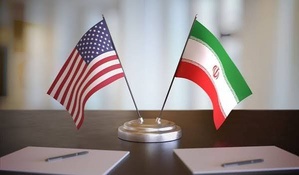
Iran's renewed push for negotiations with the United States comes at a moment when military pressure, economic restrictions and the disruption of the Strait of Hormuz have become closely intertwined. Tehran's proposal to reopen the strategic waterway within seven days is not simply an offer to restore maritime traffic. It is an attempt to create a sequence of reciprocal steps in which a reduction in military pressure could lead to a temporary halt in fighting and eventually to broader negotiations.
That approach has now run into a direct obstacle after President Donald Trump publicly rejected the Iranian proposal. Yet Tehran has not treated the public rejection as the definitive end of diplomacy. Iranian officials say they are still waiting for mediators to communicate the United States' formal position, leaving an indirect diplomatic channel open despite the sharp difference between the two governments.
The significance of Iran's position lies in the structure of its proposal. Tehran is not offering to reopen Hormuz without conditions. Instead, it is linking the restoration of maritime traffic to measures involving military pressure, the blockade of Iranian ports and a wider pause in regional hostilities. The strategy effectively turns the strait from a military flashpoint into a bargaining instrument.
Hormuz Becomes a Diplomatic Lever
The Strait of Hormuz is particularly important because disruption there affects interests well beyond Iran and the United States. The waterway is a major route for international energy shipments, making prolonged instability a concern for oil-producing states, importing countries, shipping companies and governments attempting to contain inflation and energy insecurity. The longer maritime traffic remains restricted, the greater the pressure on alternative routes and global energy markets.
Iran therefore has an incentive to place Hormuz at the centre of negotiations rather than treating its reopening as a separate maritime issue. By connecting access to the waterway with American military and economic measures, Tehran is seeking to establish a reciprocal arrangement. The proposed sequence reportedly involves initial steps by Washington, followed by a seven-day process leading toward reopening the strait and pausing wider fighting.
This also explains why the proposal has significance beyond its immediate economic consequences. If the waterway can become the first area where the two sides exchange concrete concessions, it could provide a limited mechanism for rebuilding communication after months of confrontation. The difficulty is that neither side appears willing to surrender its principal source of leverage before receiving something substantial in return.
For Iran, the reopening of Hormuz without reciprocal measures could reduce one of its strongest bargaining tools. For Washington, accepting Iranian conditions before securing commitments on wider security issues could be viewed as giving Tehran relief without resolving the underlying dispute. The disagreement is therefore fundamentally about the order in which concessions should occur.
Tehran Seeks a Controlled Route Back to Talks
Iran's insistence on diplomacy also reflects the fact that a complete military solution has remained elusive. The conflict has involved repeated attacks and counterattacks, while economic pressure has damaged Iran and instability has spread across several parts of the region. Tehran's proposal offers a different sequence: first establish conditions for de-escalation, then reopen the maritime route, and subsequently move toward negotiations on more complicated issues.
The nuclear issue is likely to become the most difficult part of that process. Washington has continued to insist that Iran must not acquire nuclear weapons, while Iranian officials have indicated that Tehran is prepared to discuss its nuclear programme but is unwilling to abandon what it regards as its existing rights. Iranian officials have also rejected the idea of making major nuclear concessions simply in exchange for an immediate reduction in pressure.
This creates a substantial gap between the two negotiating positions. Iran wants the diplomatic process to begin with measures that reduce military and economic pressure. The United States has reasons to seek commitments on the nuclear programme and regional security before providing major relief. Neither position automatically produces a negotiating sequence acceptable to the other side.
Iran's diplomatic strategy can nevertheless serve another purpose: preserving an alternative to continued escalation. By keeping mediators involved, Tehran can maintain a channel through which proposals can be modified without requiring direct public negotiations between the two governments. That distinction matters because public statements from Washington and Tehran have become increasingly confrontational, while indirect discussions have previously been described as constructive.
The US Rejection Leaves a Narrow Opening
Trump's rejection of the proposal demonstrates how differently Washington and Tehran interpret the same circumstances. Trump has argued that Iran is seeking an agreement because it is under severe pressure. Tehran, by contrast, presents negotiations as the only practical means of breaking the current deadlock. The two positions therefore disagree not only over the terms of a possible agreement but also over the balance of leverage between them.
Yet the diplomatic channel has not necessarily disappeared. Iranian officials have said that mediators have not formally conveyed an American rejection of the proposal, even after Trump's public remarks. This creates a narrow space in which the proposal could potentially be clarified, modified or replaced with another framework. It also explains why Tehran has continued to emphasise negotiation instead of immediately treating the American statement as the final word.
The role of intermediaries is particularly important because direct communication between the two governments remains politically difficult. Qatar has already been used to transmit Iranian proposals to Washington, allowing both sides to explore possible arrangements without immediately committing themselves to a public negotiating process. Such mediation does not guarantee progress, but it can prevent a breakdown in communication from becoming permanent.
For Washington, however, the challenge is determining whether the Iranian proposal represents a genuine pathway toward wider negotiations or primarily an attempt to secure relief from military and economic pressure. That question cannot be resolved through public statements alone. It would require detailed agreements covering the timing of sanctions relief, maritime access, military activity and nuclear restrictions.
Energy Security Raises the Cost of Failure
The wider regional consequences make the diplomatic dispute more consequential. The disruption of Hormuz has already affected energy flows and increased uncertainty for countries dependent on the waterway. Gulf states have an especially strong interest in reducing the risk of prolonged disruption, while international energy markets respond quickly to expectations about whether maritime traffic will recover. Reports that oil prices fell after Iran signalled willingness to reopen the strait demonstrate how strongly markets react to even limited signs of possible de-escalation.
Regional diplomacy has also expanded beyond the immediate American and Iranian relationship. Iran has engaged Saudi Arabia over the security of Hormuz despite their longstanding rivalry, indicating that the consequences of the crisis extend across the Gulf. At the same time, attacks involving Iran and groups aligned with Tehran have continued to create additional pressure on regional governments and infrastructure.
The economic stakes also give other governments a reason to encourage negotiations. Alternative energy routes and infrastructure can reduce dependence on Hormuz over time, but they cannot quickly replace the strategic importance of the waterway. Prolonged disruption would therefore continue to carry costs even if governments invest in alternative supply arrangements.
Iran's diplomatic insistence is consequently rooted in more than a desire to end the immediate confrontation. Tehran is attempting to use a highly consequential maritime issue to establish a negotiating process in which military de-escalation, economic relief and wider political talks are connected. Washington's rejection shows that the proposed sequence has not yet overcome the central disagreement over leverage and concessions.
The next stage will depend on whether indirect diplomacy can produce a framework that both sides regard as reciprocal. The immediate issue may be the reopening of Hormuz, but the harder negotiations concern what follows: the future of military operations, economic restrictions, regional security and Iran's nuclear programme. Until those questions can be addressed through a mutually acceptable sequence, the diplomatic channel is likely to remain fragile even if neither side completely closes it.
(Source:www.thedailystar.net)
That approach has now run into a direct obstacle after President Donald Trump publicly rejected the Iranian proposal. Yet Tehran has not treated the public rejection as the definitive end of diplomacy. Iranian officials say they are still waiting for mediators to communicate the United States' formal position, leaving an indirect diplomatic channel open despite the sharp difference between the two governments.
The significance of Iran's position lies in the structure of its proposal. Tehran is not offering to reopen Hormuz without conditions. Instead, it is linking the restoration of maritime traffic to measures involving military pressure, the blockade of Iranian ports and a wider pause in regional hostilities. The strategy effectively turns the strait from a military flashpoint into a bargaining instrument.
Hormuz Becomes a Diplomatic Lever
The Strait of Hormuz is particularly important because disruption there affects interests well beyond Iran and the United States. The waterway is a major route for international energy shipments, making prolonged instability a concern for oil-producing states, importing countries, shipping companies and governments attempting to contain inflation and energy insecurity. The longer maritime traffic remains restricted, the greater the pressure on alternative routes and global energy markets.
Iran therefore has an incentive to place Hormuz at the centre of negotiations rather than treating its reopening as a separate maritime issue. By connecting access to the waterway with American military and economic measures, Tehran is seeking to establish a reciprocal arrangement. The proposed sequence reportedly involves initial steps by Washington, followed by a seven-day process leading toward reopening the strait and pausing wider fighting.
This also explains why the proposal has significance beyond its immediate economic consequences. If the waterway can become the first area where the two sides exchange concrete concessions, it could provide a limited mechanism for rebuilding communication after months of confrontation. The difficulty is that neither side appears willing to surrender its principal source of leverage before receiving something substantial in return.
For Iran, the reopening of Hormuz without reciprocal measures could reduce one of its strongest bargaining tools. For Washington, accepting Iranian conditions before securing commitments on wider security issues could be viewed as giving Tehran relief without resolving the underlying dispute. The disagreement is therefore fundamentally about the order in which concessions should occur.
Tehran Seeks a Controlled Route Back to Talks
Iran's insistence on diplomacy also reflects the fact that a complete military solution has remained elusive. The conflict has involved repeated attacks and counterattacks, while economic pressure has damaged Iran and instability has spread across several parts of the region. Tehran's proposal offers a different sequence: first establish conditions for de-escalation, then reopen the maritime route, and subsequently move toward negotiations on more complicated issues.
The nuclear issue is likely to become the most difficult part of that process. Washington has continued to insist that Iran must not acquire nuclear weapons, while Iranian officials have indicated that Tehran is prepared to discuss its nuclear programme but is unwilling to abandon what it regards as its existing rights. Iranian officials have also rejected the idea of making major nuclear concessions simply in exchange for an immediate reduction in pressure.
This creates a substantial gap between the two negotiating positions. Iran wants the diplomatic process to begin with measures that reduce military and economic pressure. The United States has reasons to seek commitments on the nuclear programme and regional security before providing major relief. Neither position automatically produces a negotiating sequence acceptable to the other side.
Iran's diplomatic strategy can nevertheless serve another purpose: preserving an alternative to continued escalation. By keeping mediators involved, Tehran can maintain a channel through which proposals can be modified without requiring direct public negotiations between the two governments. That distinction matters because public statements from Washington and Tehran have become increasingly confrontational, while indirect discussions have previously been described as constructive.
The US Rejection Leaves a Narrow Opening
Trump's rejection of the proposal demonstrates how differently Washington and Tehran interpret the same circumstances. Trump has argued that Iran is seeking an agreement because it is under severe pressure. Tehran, by contrast, presents negotiations as the only practical means of breaking the current deadlock. The two positions therefore disagree not only over the terms of a possible agreement but also over the balance of leverage between them.
Yet the diplomatic channel has not necessarily disappeared. Iranian officials have said that mediators have not formally conveyed an American rejection of the proposal, even after Trump's public remarks. This creates a narrow space in which the proposal could potentially be clarified, modified or replaced with another framework. It also explains why Tehran has continued to emphasise negotiation instead of immediately treating the American statement as the final word.
The role of intermediaries is particularly important because direct communication between the two governments remains politically difficult. Qatar has already been used to transmit Iranian proposals to Washington, allowing both sides to explore possible arrangements without immediately committing themselves to a public negotiating process. Such mediation does not guarantee progress, but it can prevent a breakdown in communication from becoming permanent.
For Washington, however, the challenge is determining whether the Iranian proposal represents a genuine pathway toward wider negotiations or primarily an attempt to secure relief from military and economic pressure. That question cannot be resolved through public statements alone. It would require detailed agreements covering the timing of sanctions relief, maritime access, military activity and nuclear restrictions.
Energy Security Raises the Cost of Failure
The wider regional consequences make the diplomatic dispute more consequential. The disruption of Hormuz has already affected energy flows and increased uncertainty for countries dependent on the waterway. Gulf states have an especially strong interest in reducing the risk of prolonged disruption, while international energy markets respond quickly to expectations about whether maritime traffic will recover. Reports that oil prices fell after Iran signalled willingness to reopen the strait demonstrate how strongly markets react to even limited signs of possible de-escalation.
Regional diplomacy has also expanded beyond the immediate American and Iranian relationship. Iran has engaged Saudi Arabia over the security of Hormuz despite their longstanding rivalry, indicating that the consequences of the crisis extend across the Gulf. At the same time, attacks involving Iran and groups aligned with Tehran have continued to create additional pressure on regional governments and infrastructure.
The economic stakes also give other governments a reason to encourage negotiations. Alternative energy routes and infrastructure can reduce dependence on Hormuz over time, but they cannot quickly replace the strategic importance of the waterway. Prolonged disruption would therefore continue to carry costs even if governments invest in alternative supply arrangements.
Iran's diplomatic insistence is consequently rooted in more than a desire to end the immediate confrontation. Tehran is attempting to use a highly consequential maritime issue to establish a negotiating process in which military de-escalation, economic relief and wider political talks are connected. Washington's rejection shows that the proposed sequence has not yet overcome the central disagreement over leverage and concessions.
The next stage will depend on whether indirect diplomacy can produce a framework that both sides regard as reciprocal. The immediate issue may be the reopening of Hormuz, but the harder negotiations concern what follows: the future of military operations, economic restrictions, regional security and Iran's nuclear programme. Until those questions can be addressed through a mutually acceptable sequence, the diplomatic channel is likely to remain fragile even if neither side completely closes it.
(Source:www.thedailystar.net)
