


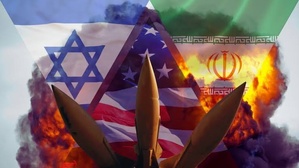
The widening conflict across the Middle East is no longer confined to the main battlefield. Fighting involving Iran, the United States and Israel has increasingly created pressure points across neighbouring states, with Yemen and Saudi Arabia emerging as a particularly important new front. The latest exchange of attacks between Saudi forces and Yemen's Houthi movement illustrates how a conflict can expand without a formal decision by every regional actor to enter the same war.
The significance of the escalation lies less in the individual drone or airstrike than in the geography of the confrontation. Yemen sits beside one of the world's most important maritime corridors, while Saudi Arabia is a major oil producer whose export infrastructure has already become more vulnerable because shipping through the Strait of Hormuz has been severely disrupted. As a result, military developments in Yemen can now affect energy markets, commercial shipping and regional security far beyond the immediate battlefield.
The latest fighting therefore exposes the mechanism through which the Middle East conflict is spreading: pressure applied in one strategic location is creating incentives and vulnerabilities in another. Instead of remaining a direct confrontation between major powers, the conflict is increasingly interacting with existing rivalries, armed groups and contested maritime routes.
Energy Disruption Is Connecting Separate Battlefields
The most important reason Yemen has become strategically significant is its position beside the Red Sea shipping corridor. The route connects the Indian Ocean with the Red Sea and the Suez Canal, making it particularly important for vessels travelling between Asian markets, the Middle East and Europe. Recent Houthi advances along Yemen's western coastline have placed additional pressure on this route at precisely the moment when shipping through the Strait of Hormuz has already fallen sharply.
This creates a dangerous chain reaction. When one export route becomes difficult to use, producers and traders naturally seek alternatives. Saudi Arabia has relied more heavily on infrastructure leading towards its Red Sea coast because that route can provide an alternative to sending all exports through the Gulf. But attacks on Saudi energy infrastructure and threats to shipping have begun to undermine that alternative as well. Saudi Arabia temporarily shut its major east-west oil pipeline after a drone attack earlier this month, demonstrating how multiple parts of the energy system can become exposed simultaneously.
The result is that the conflict is no longer only about territory or military retaliation. It is also about access to infrastructure capable of moving energy out of the region. The more routes that become uncertain, the greater the potential effect on prices, insurance costs and shipping decisions.
That does not mean every threatened route will be permanently closed. Maritime traffic through the Red Sea gateway has continued, although recent figures show lower activity than normal, while traffic through the Strait of Hormuz has fallen much more sharply. The distinction matters because disruption is not the same as complete closure. Nevertheless, uncertainty itself can raise costs as shipping companies reassess risks and routes.
Yemen Has Become a Strategic Extension of the Conflict
The renewed Saudi-Houthi confrontation also demonstrates why the wider war is spreading through existing regional conflicts rather than creating entirely new ones. The Houthis have been involved in Yemen's civil war for more than a decade and previously fought Saudi Arabia directly. A United Nations-backed truce in 2022 significantly reduced large-scale fighting between the sides, but it did not resolve the underlying political and territorial dispute.
The current escalation has reopened that unresolved conflict under dramatically different regional circumstances. Houthi forces have advanced along the western Yemeni coastline, captured strategically important territory and increased pressure around the Red Sea shipping corridor. They have also targeted Saudi interests, while Saudi Arabia has responded with airstrikes inside Yemen. Recent fighting has displaced tens of thousands of civilians, adding a humanitarian dimension to an escalation already carrying international economic consequences.
The connection with Iran is another factor in the conflict's expansion. The Houthis are aligned with Tehran, although that does not automatically mean every Houthi military decision is directed by Iran. Their existing relationship with Iran nevertheless gives the wider confrontation another channel through which pressure can be applied beyond Iran's immediate borders. The Houthis have developed substantial missile and drone capabilities and have previously demonstrated their ability to threaten shipping and infrastructure.
This makes Yemen particularly useful as a pressure point in a wider regional confrontation. Attacks from Yemen can impose military and economic costs on Saudi Arabia while creating risks for international shipping without requiring a conventional interstate war involving every regional power.
Saudi Arabia Faces a Different Kind of Security Problem
For Saudi Arabia, the latest escalation presents a difficult combination of military and economic vulnerabilities. The country has extensive energy infrastructure, a long coastline and strategic interests on both sides of the Arabian Peninsula. Its ability to move oil through alternative routes has become more important because disruption around the Gulf has reduced the reliability of traditional maritime channels.
The Red Sea therefore represents both an opportunity and a vulnerability. Saudi Arabia can use its western ports and pipeline network to bypass some Gulf-related risks, but those same assets become attractive targets when an adversary seeks to restrict Saudi exports. Recent Houthi threats against Saudi vessels and energy facilities have already affected shipping behaviour and raised concerns about the security of the alternative export route.
This explains why developments in Yemen have consequences far beyond Yemen itself. If the Red Sea route remains open, Saudi Arabia retains greater flexibility in moving energy to international markets. If attacks make the route increasingly difficult to use, the advantage provided by that alternative diminishes.
The situation also creates pressure on Saudi decision-making. A large military response could attempt to push Houthi forces away from the coast, but wider military escalation could expose additional Saudi infrastructure to retaliation. Restraint, meanwhile, carries its own risks if Houthi forces continue expanding their position near strategically important waterways.
Maritime Pressure Is Making the Conflict Wider
The most significant change is therefore the growing interaction between separate conflicts. Fighting around Iran has disrupted the Strait of Hormuz. That disruption increases the importance of the Red Sea. Increased dependence on the Red Sea raises the strategic value of territory controlled by the Houthis. Houthi advances then increase Saudi security concerns, prompting military action inside Yemen. Those attacks create further incentives for retaliation.
This is how the war spreads without necessarily requiring a single coordinated regional campaign.
The consequences extend beyond oil. The Red Sea is also a major commercial corridor, and prolonged insecurity can encourage ships to take longer routes around Africa. Such diversions increase journey times, fuel consumption, insurance expenses and freight costs. If disruption affects both major Middle Eastern maritime corridors simultaneously, the pressure on global supply chains becomes considerably greater.
The humanitarian consequences are equally important. Thousands of civilians are being displaced as fighting intensifies along Yemen's western coast, while the country's already severe humanitarian crisis faces additional pressure. The movement of civilians by sea toward neighbouring African countries shows that the consequences of the expanding conflict are being felt at household level, not merely in oil markets or military calculations.
The deeper danger is therefore not simply that another country could enter the war. It is that the region's interconnected security, energy and transport systems are creating new fronts almost automatically. As long as pressure remains high around the Gulf, every alternative route becomes strategically valuable. And once those alternatives become targets, a conflict that began in one theatre can acquire several interconnected battlefields.
(Source:www.reuters.com)
The significance of the escalation lies less in the individual drone or airstrike than in the geography of the confrontation. Yemen sits beside one of the world's most important maritime corridors, while Saudi Arabia is a major oil producer whose export infrastructure has already become more vulnerable because shipping through the Strait of Hormuz has been severely disrupted. As a result, military developments in Yemen can now affect energy markets, commercial shipping and regional security far beyond the immediate battlefield.
The latest fighting therefore exposes the mechanism through which the Middle East conflict is spreading: pressure applied in one strategic location is creating incentives and vulnerabilities in another. Instead of remaining a direct confrontation between major powers, the conflict is increasingly interacting with existing rivalries, armed groups and contested maritime routes.
Energy Disruption Is Connecting Separate Battlefields
The most important reason Yemen has become strategically significant is its position beside the Red Sea shipping corridor. The route connects the Indian Ocean with the Red Sea and the Suez Canal, making it particularly important for vessels travelling between Asian markets, the Middle East and Europe. Recent Houthi advances along Yemen's western coastline have placed additional pressure on this route at precisely the moment when shipping through the Strait of Hormuz has already fallen sharply.
This creates a dangerous chain reaction. When one export route becomes difficult to use, producers and traders naturally seek alternatives. Saudi Arabia has relied more heavily on infrastructure leading towards its Red Sea coast because that route can provide an alternative to sending all exports through the Gulf. But attacks on Saudi energy infrastructure and threats to shipping have begun to undermine that alternative as well. Saudi Arabia temporarily shut its major east-west oil pipeline after a drone attack earlier this month, demonstrating how multiple parts of the energy system can become exposed simultaneously.
The result is that the conflict is no longer only about territory or military retaliation. It is also about access to infrastructure capable of moving energy out of the region. The more routes that become uncertain, the greater the potential effect on prices, insurance costs and shipping decisions.
That does not mean every threatened route will be permanently closed. Maritime traffic through the Red Sea gateway has continued, although recent figures show lower activity than normal, while traffic through the Strait of Hormuz has fallen much more sharply. The distinction matters because disruption is not the same as complete closure. Nevertheless, uncertainty itself can raise costs as shipping companies reassess risks and routes.
Yemen Has Become a Strategic Extension of the Conflict
The renewed Saudi-Houthi confrontation also demonstrates why the wider war is spreading through existing regional conflicts rather than creating entirely new ones. The Houthis have been involved in Yemen's civil war for more than a decade and previously fought Saudi Arabia directly. A United Nations-backed truce in 2022 significantly reduced large-scale fighting between the sides, but it did not resolve the underlying political and territorial dispute.
The current escalation has reopened that unresolved conflict under dramatically different regional circumstances. Houthi forces have advanced along the western Yemeni coastline, captured strategically important territory and increased pressure around the Red Sea shipping corridor. They have also targeted Saudi interests, while Saudi Arabia has responded with airstrikes inside Yemen. Recent fighting has displaced tens of thousands of civilians, adding a humanitarian dimension to an escalation already carrying international economic consequences.
The connection with Iran is another factor in the conflict's expansion. The Houthis are aligned with Tehran, although that does not automatically mean every Houthi military decision is directed by Iran. Their existing relationship with Iran nevertheless gives the wider confrontation another channel through which pressure can be applied beyond Iran's immediate borders. The Houthis have developed substantial missile and drone capabilities and have previously demonstrated their ability to threaten shipping and infrastructure.
This makes Yemen particularly useful as a pressure point in a wider regional confrontation. Attacks from Yemen can impose military and economic costs on Saudi Arabia while creating risks for international shipping without requiring a conventional interstate war involving every regional power.
Saudi Arabia Faces a Different Kind of Security Problem
For Saudi Arabia, the latest escalation presents a difficult combination of military and economic vulnerabilities. The country has extensive energy infrastructure, a long coastline and strategic interests on both sides of the Arabian Peninsula. Its ability to move oil through alternative routes has become more important because disruption around the Gulf has reduced the reliability of traditional maritime channels.
The Red Sea therefore represents both an opportunity and a vulnerability. Saudi Arabia can use its western ports and pipeline network to bypass some Gulf-related risks, but those same assets become attractive targets when an adversary seeks to restrict Saudi exports. Recent Houthi threats against Saudi vessels and energy facilities have already affected shipping behaviour and raised concerns about the security of the alternative export route.
This explains why developments in Yemen have consequences far beyond Yemen itself. If the Red Sea route remains open, Saudi Arabia retains greater flexibility in moving energy to international markets. If attacks make the route increasingly difficult to use, the advantage provided by that alternative diminishes.
The situation also creates pressure on Saudi decision-making. A large military response could attempt to push Houthi forces away from the coast, but wider military escalation could expose additional Saudi infrastructure to retaliation. Restraint, meanwhile, carries its own risks if Houthi forces continue expanding their position near strategically important waterways.
Maritime Pressure Is Making the Conflict Wider
The most significant change is therefore the growing interaction between separate conflicts. Fighting around Iran has disrupted the Strait of Hormuz. That disruption increases the importance of the Red Sea. Increased dependence on the Red Sea raises the strategic value of territory controlled by the Houthis. Houthi advances then increase Saudi security concerns, prompting military action inside Yemen. Those attacks create further incentives for retaliation.
This is how the war spreads without necessarily requiring a single coordinated regional campaign.
The consequences extend beyond oil. The Red Sea is also a major commercial corridor, and prolonged insecurity can encourage ships to take longer routes around Africa. Such diversions increase journey times, fuel consumption, insurance expenses and freight costs. If disruption affects both major Middle Eastern maritime corridors simultaneously, the pressure on global supply chains becomes considerably greater.
The humanitarian consequences are equally important. Thousands of civilians are being displaced as fighting intensifies along Yemen's western coast, while the country's already severe humanitarian crisis faces additional pressure. The movement of civilians by sea toward neighbouring African countries shows that the consequences of the expanding conflict are being felt at household level, not merely in oil markets or military calculations.
The deeper danger is therefore not simply that another country could enter the war. It is that the region's interconnected security, energy and transport systems are creating new fronts almost automatically. As long as pressure remains high around the Gulf, every alternative route becomes strategically valuable. And once those alternatives become targets, a conflict that began in one theatre can acquire several interconnected battlefields.
(Source:www.reuters.com)
