


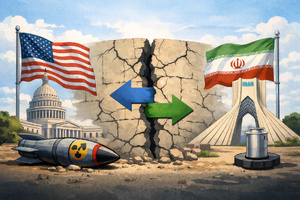
Talks between the United States and Iran concluded without a formal agreement, yet officials on both sides signaled enough incremental progress to keep diplomacy alive. In a climate shaped by military deployments, economic sanctions, and decades of distrust, the absence of a breakthrough did not necessarily equate to failure. Instead, the negotiations revealed a familiar pattern in U.S.-Iran diplomacy: hard lines publicly maintained, limited convergence quietly explored, and the door left open for further engagement.
The discussions, mediated by Oman and held through indirect channels, were described by regional officials as serious and substantive. Technical meetings were scheduled to follow, and both capitals prepared for further consultations. The outcome underscores how high-stakes nuclear diplomacy often advances not through dramatic announcements but through calibrated adjustments in tone, sequencing, and expectations.
Diplomatic Momentum Without Immediate Convergence
At the center of the talks lies Iran’s nuclear program, a source of tension for more than two decades. Washington seeks verifiable limits on uranium enrichment and transparency measures that prevent Tehran from acquiring the capability to build a nuclear weapon. Iran insists its nuclear activities are peaceful and demands the lifting of sanctions that have severely constrained its economy.
The latest round of negotiations did not bridge the fundamental divide over enrichment. The United States has historically pushed for stringent caps or even a halt to enrichment activities, arguing that high-level enrichment shortens the so-called breakout time required to produce weapons-grade material. Iran, by contrast, frames enrichment as a sovereign right under international agreements, emphasizing that it does not seek a bomb and pointing to religious decrees against weapons of mass destruction.
Despite these entrenched positions, mediators described “creative and positive ideas” exchanged during the sessions. Iranian officials acknowledged agreement on certain points while admitting differences on others. Such language suggests movement on procedural or sequencing issues—perhaps related to inspections, phased sanctions relief, or confidence-building steps—rather than a wholesale resolution of core disputes.
Technical-level meetings scheduled in Europe indicate that negotiators are attempting to translate broad political signals into concrete mechanisms. In previous diplomatic cycles, progress has often emerged when negotiators focused on incremental steps—limiting enrichment levels in exchange for partial sanctions relief, for example—rather than attempting to solve all disputes simultaneously.
Sanctions, Security, and the Scope of Negotiations
A central sticking point remains the scope of the talks. Iranian officials have indicated a preference for separating nuclear issues from broader security concerns, including ballistic missile development and regional alliances. Washington, however, has signaled that Iran’s missile program and its support for armed groups in the Middle East cannot be ignored indefinitely.
This divergence reflects competing strategic priorities. For Tehran, sanctions relief is urgent. Years of financial restrictions have weakened the currency, limited oil exports, and fueled domestic discontent. Securing economic breathing space through a nuclear-focused agreement is seen as essential to stabilizing the domestic environment.
For Washington, any agreement that fails to address missile capabilities or regional influence risks criticism at home and among regional allies. U.S. officials argue that missile systems enhance Iran’s deterrent capacity and could complicate enforcement of any nuclear accord. Balancing these security concerns with diplomatic feasibility remains a core challenge.
The current negotiations appear to acknowledge that sequencing matters. One potential path forward involves focusing first on nuclear transparency and enrichment limits, while deferring broader regional questions to subsequent frameworks. Such an approach would not resolve all tensions but could reduce immediate risks of escalation.
Military Pressure and Diplomatic Leverage
The talks unfolded against a backdrop of visible military signaling. The United States has increased its presence in regional waters, deploying aircraft carrier groups and fighter jets as a show of deterrence. President Donald Trump has publicly warned of severe consequences if diplomacy fails, reinforcing the perception that negotiations are occurring under a tightening deadline.
This dual-track strategy—pressure combined with dialogue—is not new. Successive U.S. administrations have paired sanctions and military preparedness with offers of engagement. The logic is to sharpen incentives for compromise while preserving diplomatic off-ramps.
Iran has responded in kind, warning of retaliation if attacked and demonstrating its missile capabilities in previous confrontations. The risk of miscalculation remains high, particularly given the region’s volatile security environment and the involvement of multiple actors.
Yet the fact that both sides continue to meet suggests recognition of the costs of open conflict. A direct military confrontation could disrupt global energy markets, draw in regional powers, and trigger unpredictable escalation. Diplomacy, even if slow and frustrating, provides a mechanism to manage that risk.
Domestic Pressures Shape Negotiating Positions
Internal political dynamics in both countries shape the trajectory of the talks. In the United States, any agreement with Iran faces scrutiny from lawmakers concerned about security guarantees and verification standards. Previous nuclear deals have been contentious, and domestic divisions complicate the administration’s room for maneuver.
In Iran, Supreme Leader Ayatollah Ali Khamenei and President Masoud Pezeshkian navigate economic hardship and public dissatisfaction. Sanctions have strained living standards, and sporadic protests reflect deeper frustrations. Securing relief without appearing to capitulate to Western demands is a delicate balancing act.
Iranian leaders have reiterated that religious rulings prohibit the development of nuclear weapons, framing their position as consistent with moral and legal principles. At the same time, they seek tangible economic benefits that would justify diplomatic engagement to a skeptical public.
The interplay of domestic legitimacy and international negotiation creates constraints but also incentives. Leaders on both sides may find political value in demonstrating flexibility, provided it does not undermine core security narratives.
Incremental Progress as a Strategic Outcome
While no agreement emerged from the latest talks, the decision to continue negotiations itself carries weight. Diplomatic processes often hinge on maintaining communication channels, especially when tensions are high. The scheduling of further meetings, technical consultations, and high-level discussions indicates that neither side sees benefit in abrupt disengagement.
Progress in this context is measured less by immediate breakthroughs and more by narrowing gaps. If negotiators can clarify sequencing, outline verification steps, and identify phased sanctions relief mechanisms, the groundwork for a broader accord could gradually take shape.
Even limited confidence-building measures—such as enhanced inspection access or partial financial easing—could lower the temperature. Each incremental step reduces the likelihood of sudden escalation and buys time for more comprehensive arrangements.
The current phase of U.S.-Iran diplomacy illustrates the complexity of negotiating amid mutual suspicion and geopolitical tension. A formal deal may remain elusive, but the signals exchanged—acknowledgment of progress, agreement to reconvene, willingness to discuss technical details—point to a diplomatic track that remains viable. In a region where missteps can have cascading consequences, the preservation of that track may itself constitute a meaningful, if understated, advance.
(Source:www.cnbc,com)
The discussions, mediated by Oman and held through indirect channels, were described by regional officials as serious and substantive. Technical meetings were scheduled to follow, and both capitals prepared for further consultations. The outcome underscores how high-stakes nuclear diplomacy often advances not through dramatic announcements but through calibrated adjustments in tone, sequencing, and expectations.
Diplomatic Momentum Without Immediate Convergence
At the center of the talks lies Iran’s nuclear program, a source of tension for more than two decades. Washington seeks verifiable limits on uranium enrichment and transparency measures that prevent Tehran from acquiring the capability to build a nuclear weapon. Iran insists its nuclear activities are peaceful and demands the lifting of sanctions that have severely constrained its economy.
The latest round of negotiations did not bridge the fundamental divide over enrichment. The United States has historically pushed for stringent caps or even a halt to enrichment activities, arguing that high-level enrichment shortens the so-called breakout time required to produce weapons-grade material. Iran, by contrast, frames enrichment as a sovereign right under international agreements, emphasizing that it does not seek a bomb and pointing to religious decrees against weapons of mass destruction.
Despite these entrenched positions, mediators described “creative and positive ideas” exchanged during the sessions. Iranian officials acknowledged agreement on certain points while admitting differences on others. Such language suggests movement on procedural or sequencing issues—perhaps related to inspections, phased sanctions relief, or confidence-building steps—rather than a wholesale resolution of core disputes.
Technical-level meetings scheduled in Europe indicate that negotiators are attempting to translate broad political signals into concrete mechanisms. In previous diplomatic cycles, progress has often emerged when negotiators focused on incremental steps—limiting enrichment levels in exchange for partial sanctions relief, for example—rather than attempting to solve all disputes simultaneously.
Sanctions, Security, and the Scope of Negotiations
A central sticking point remains the scope of the talks. Iranian officials have indicated a preference for separating nuclear issues from broader security concerns, including ballistic missile development and regional alliances. Washington, however, has signaled that Iran’s missile program and its support for armed groups in the Middle East cannot be ignored indefinitely.
This divergence reflects competing strategic priorities. For Tehran, sanctions relief is urgent. Years of financial restrictions have weakened the currency, limited oil exports, and fueled domestic discontent. Securing economic breathing space through a nuclear-focused agreement is seen as essential to stabilizing the domestic environment.
For Washington, any agreement that fails to address missile capabilities or regional influence risks criticism at home and among regional allies. U.S. officials argue that missile systems enhance Iran’s deterrent capacity and could complicate enforcement of any nuclear accord. Balancing these security concerns with diplomatic feasibility remains a core challenge.
The current negotiations appear to acknowledge that sequencing matters. One potential path forward involves focusing first on nuclear transparency and enrichment limits, while deferring broader regional questions to subsequent frameworks. Such an approach would not resolve all tensions but could reduce immediate risks of escalation.
Military Pressure and Diplomatic Leverage
The talks unfolded against a backdrop of visible military signaling. The United States has increased its presence in regional waters, deploying aircraft carrier groups and fighter jets as a show of deterrence. President Donald Trump has publicly warned of severe consequences if diplomacy fails, reinforcing the perception that negotiations are occurring under a tightening deadline.
This dual-track strategy—pressure combined with dialogue—is not new. Successive U.S. administrations have paired sanctions and military preparedness with offers of engagement. The logic is to sharpen incentives for compromise while preserving diplomatic off-ramps.
Iran has responded in kind, warning of retaliation if attacked and demonstrating its missile capabilities in previous confrontations. The risk of miscalculation remains high, particularly given the region’s volatile security environment and the involvement of multiple actors.
Yet the fact that both sides continue to meet suggests recognition of the costs of open conflict. A direct military confrontation could disrupt global energy markets, draw in regional powers, and trigger unpredictable escalation. Diplomacy, even if slow and frustrating, provides a mechanism to manage that risk.
Domestic Pressures Shape Negotiating Positions
Internal political dynamics in both countries shape the trajectory of the talks. In the United States, any agreement with Iran faces scrutiny from lawmakers concerned about security guarantees and verification standards. Previous nuclear deals have been contentious, and domestic divisions complicate the administration’s room for maneuver.
In Iran, Supreme Leader Ayatollah Ali Khamenei and President Masoud Pezeshkian navigate economic hardship and public dissatisfaction. Sanctions have strained living standards, and sporadic protests reflect deeper frustrations. Securing relief without appearing to capitulate to Western demands is a delicate balancing act.
Iranian leaders have reiterated that religious rulings prohibit the development of nuclear weapons, framing their position as consistent with moral and legal principles. At the same time, they seek tangible economic benefits that would justify diplomatic engagement to a skeptical public.
The interplay of domestic legitimacy and international negotiation creates constraints but also incentives. Leaders on both sides may find political value in demonstrating flexibility, provided it does not undermine core security narratives.
Incremental Progress as a Strategic Outcome
While no agreement emerged from the latest talks, the decision to continue negotiations itself carries weight. Diplomatic processes often hinge on maintaining communication channels, especially when tensions are high. The scheduling of further meetings, technical consultations, and high-level discussions indicates that neither side sees benefit in abrupt disengagement.
Progress in this context is measured less by immediate breakthroughs and more by narrowing gaps. If negotiators can clarify sequencing, outline verification steps, and identify phased sanctions relief mechanisms, the groundwork for a broader accord could gradually take shape.
Even limited confidence-building measures—such as enhanced inspection access or partial financial easing—could lower the temperature. Each incremental step reduces the likelihood of sudden escalation and buys time for more comprehensive arrangements.
The current phase of U.S.-Iran diplomacy illustrates the complexity of negotiating amid mutual suspicion and geopolitical tension. A formal deal may remain elusive, but the signals exchanged—acknowledgment of progress, agreement to reconvene, willingness to discuss technical details—point to a diplomatic track that remains viable. In a region where missteps can have cascading consequences, the preservation of that track may itself constitute a meaningful, if understated, advance.
(Source:www.cnbc,com)
