


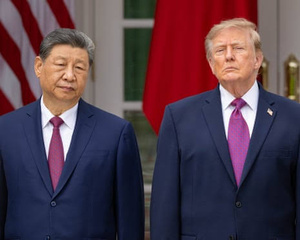
The Trump-Xi summit in Washington was designed to project stability at a time when the relationship between the United States and China remains defined by competition, mistrust and economic interdependence. The highly choreographed state visit created an image of cooperation, but the substance of the discussions pointed to a more complicated reality. Washington and Beijing have strong incentives to prevent their rivalry from damaging their economies, yet neither side appears prepared to surrender its core strategic interests.
The significance of the summit therefore lies less in any dramatic breakthrough than in the way both governments are attempting to manage their disagreements. Trade, critical minerals, technology, artificial intelligence and Taiwan have become interconnected parts of a much broader contest over economic security and geopolitical influence.
Economic Stability Takes Priority Over a Final Settlement
The most immediate lesson from the summit is that both sides still see value in keeping the economic relationship functioning. The decision to extend the existing trade arrangement provides additional time for negotiations and reduces the immediate risk of another escalation in tariffs. However, an extension is fundamentally different from a permanent settlement.
The unresolved issues remain substantial. Washington continues to seek greater Chinese purchases of American agricultural products, more reliable access to rare earth materials and changes in areas where American policymakers believe Chinese trade practices create strategic vulnerabilities. Beijing, meanwhile, has its own interest in maintaining access to the American market while resisting restrictions that could weaken its industrial and technological ambitions.
This explains why the economic relationship has increasingly moved toward managed competition rather than complete separation. Both governments have learned that economic confrontation can impose costs on their own businesses and consumers. At the same time, neither wants economic dependence to become a strategic vulnerability.
For businesses, this creates a difficult operating environment. Lower tensions can provide temporary relief, but companies still have to make investment and supply chain decisions while tariffs, export restrictions and technology controls remain subject to negotiation. The summit therefore offers stability without removing uncertainty.
The Real Contest Has Moved Beyond Tariffs
The second major takeaway is that the US-China rivalry can no longer be understood simply as a trade dispute. Critical minerals, advanced technology and artificial intelligence now sit at the centre of the relationship because they have implications for both economic competitiveness and national security.
Rare earth elements are particularly important because China occupies a dominant position in parts of the global supply chain. American industries ranging from electronics to advanced manufacturing depend on reliable access to these materials. The issue consequently gives Beijing economic leverage while encouraging Washington to diversify supply chains and reduce strategic dependence.
The same logic applies to advanced technology. Washington's restrictions on sensitive technologies are intended to protect American advantages in strategically important areas, while Beijing continues to develop domestic alternatives. This creates a cycle in which economic policy increasingly becomes part of national security policy.
The summit showed that neither side can easily separate commercial cooperation from strategic competition. Even when leaders discuss trade, the underlying questions increasingly concern technology, supply chains and control over industries that could shape future economic and military power.
Taiwan Remains the Hardest Strategic Question
The economic disagreements are serious, but Taiwan remains a far more sensitive issue because it involves sovereignty, military calculations and America's commitments in the Indo Pacific.
Xi's call for Washington to handle the Taiwan issue with caution and oppose Taiwanese independence reflects Beijing's continuing effort to prevent the United States from strengthening political and military support for Taipei. Washington's traditional approach has deliberately maintained ambiguity, avoiding a straightforward declaration about how it would respond to a military crisis.
That ambiguity has strategic value but also creates uncertainty. Beijing wants greater clarity that Washington will not support steps toward formal Taiwanese independence. The United States, however, has strong reasons to preserve its ability to deter coercion without making commitments that could automatically draw it into a conflict.
The summit did not eliminate this tension. Instead, it demonstrated why Taiwan remains the most difficult issue to separate from the wider US-China relationship. Trade negotiations can be extended, investment discussions can continue and technology rules can be adjusted. Questions involving sovereignty and military power are considerably harder to compromise on.
Artificial Intelligence Creates a New Strategic Divide
Artificial intelligence has emerged as another area where cooperation and competition are developing simultaneously. The summit exposed an important difference in emphasis between Washington and Beijing.
Trump's approach has focused on maintaining technological momentum and avoiding additional restrictions that could slow American development. Xi, meanwhile, stressed the need to ensure that artificial intelligence remains under human control and is developed in ways that serve broader social interests.
The difference matters because artificial intelligence is no longer simply a commercial technology. It has potential applications in manufacturing, cybersecurity, military systems, intelligence, scientific research and economic decision making. Whoever develops leading capabilities could gain advantages across several sectors at once.
Yet neither country can easily pursue artificial intelligence in isolation. The technology crosses borders through research, investment, data, hardware and software. That makes communication between Washington and Beijing important even while competition intensifies.
The challenge is that cooperation on artificial intelligence requires trust at precisely the moment when strategic trust is weak. Both governments have reasons to prevent uncontrolled technological escalation, but both also have reasons to avoid giving the other side an advantage.
The elaborate nature of Xi's Washington visit was itself significant. The ceremonial welcome, military display and highly visible presidential hospitality were designed to demonstrate that the relationship still has diplomatic importance despite deep disagreements.
Such symbolism can help create an atmosphere in which negotiations become possible. Personal diplomacy can also provide leaders with opportunities to establish communication that may become valuable during future crises. However, ceremony cannot resolve disagreements over tariffs, technology, Taiwan or strategic influence.
The more important achievement was therefore the preservation of dialogue. The United States and China remain capable of imposing enormous economic and security costs on each other. Regular high level communication can reduce the danger that a dispute over trade, technology or military activity develops into a wider confrontation.
This becomes particularly important because the rivalry is no longer confined to one policy area. Economic disputes can influence technology policy, technology restrictions can affect national security calculations, and tensions over Taiwan can quickly affect trade and investment.
The Washington summit consequently revealed a relationship built around controlled competition. Both governments appear willing to negotiate where their interests overlap while protecting positions they consider strategically important.
The summit provided another opportunity to test that model. It produced breathing room rather than a comprehensive settlement, dialogue rather than strategic reconciliation, and cooperation in selected areas without removing the fundamental competition between the world's two most powerful economies.
(Source:www.theguardian.com)
The significance of the summit therefore lies less in any dramatic breakthrough than in the way both governments are attempting to manage their disagreements. Trade, critical minerals, technology, artificial intelligence and Taiwan have become interconnected parts of a much broader contest over economic security and geopolitical influence.
Economic Stability Takes Priority Over a Final Settlement
The most immediate lesson from the summit is that both sides still see value in keeping the economic relationship functioning. The decision to extend the existing trade arrangement provides additional time for negotiations and reduces the immediate risk of another escalation in tariffs. However, an extension is fundamentally different from a permanent settlement.
The unresolved issues remain substantial. Washington continues to seek greater Chinese purchases of American agricultural products, more reliable access to rare earth materials and changes in areas where American policymakers believe Chinese trade practices create strategic vulnerabilities. Beijing, meanwhile, has its own interest in maintaining access to the American market while resisting restrictions that could weaken its industrial and technological ambitions.
This explains why the economic relationship has increasingly moved toward managed competition rather than complete separation. Both governments have learned that economic confrontation can impose costs on their own businesses and consumers. At the same time, neither wants economic dependence to become a strategic vulnerability.
For businesses, this creates a difficult operating environment. Lower tensions can provide temporary relief, but companies still have to make investment and supply chain decisions while tariffs, export restrictions and technology controls remain subject to negotiation. The summit therefore offers stability without removing uncertainty.
The Real Contest Has Moved Beyond Tariffs
The second major takeaway is that the US-China rivalry can no longer be understood simply as a trade dispute. Critical minerals, advanced technology and artificial intelligence now sit at the centre of the relationship because they have implications for both economic competitiveness and national security.
Rare earth elements are particularly important because China occupies a dominant position in parts of the global supply chain. American industries ranging from electronics to advanced manufacturing depend on reliable access to these materials. The issue consequently gives Beijing economic leverage while encouraging Washington to diversify supply chains and reduce strategic dependence.
The same logic applies to advanced technology. Washington's restrictions on sensitive technologies are intended to protect American advantages in strategically important areas, while Beijing continues to develop domestic alternatives. This creates a cycle in which economic policy increasingly becomes part of national security policy.
The summit showed that neither side can easily separate commercial cooperation from strategic competition. Even when leaders discuss trade, the underlying questions increasingly concern technology, supply chains and control over industries that could shape future economic and military power.
Taiwan Remains the Hardest Strategic Question
The economic disagreements are serious, but Taiwan remains a far more sensitive issue because it involves sovereignty, military calculations and America's commitments in the Indo Pacific.
Xi's call for Washington to handle the Taiwan issue with caution and oppose Taiwanese independence reflects Beijing's continuing effort to prevent the United States from strengthening political and military support for Taipei. Washington's traditional approach has deliberately maintained ambiguity, avoiding a straightforward declaration about how it would respond to a military crisis.
That ambiguity has strategic value but also creates uncertainty. Beijing wants greater clarity that Washington will not support steps toward formal Taiwanese independence. The United States, however, has strong reasons to preserve its ability to deter coercion without making commitments that could automatically draw it into a conflict.
The summit did not eliminate this tension. Instead, it demonstrated why Taiwan remains the most difficult issue to separate from the wider US-China relationship. Trade negotiations can be extended, investment discussions can continue and technology rules can be adjusted. Questions involving sovereignty and military power are considerably harder to compromise on.
Artificial Intelligence Creates a New Strategic Divide
Artificial intelligence has emerged as another area where cooperation and competition are developing simultaneously. The summit exposed an important difference in emphasis between Washington and Beijing.
Trump's approach has focused on maintaining technological momentum and avoiding additional restrictions that could slow American development. Xi, meanwhile, stressed the need to ensure that artificial intelligence remains under human control and is developed in ways that serve broader social interests.
The difference matters because artificial intelligence is no longer simply a commercial technology. It has potential applications in manufacturing, cybersecurity, military systems, intelligence, scientific research and economic decision making. Whoever develops leading capabilities could gain advantages across several sectors at once.
Yet neither country can easily pursue artificial intelligence in isolation. The technology crosses borders through research, investment, data, hardware and software. That makes communication between Washington and Beijing important even while competition intensifies.
The challenge is that cooperation on artificial intelligence requires trust at precisely the moment when strategic trust is weak. Both governments have reasons to prevent uncontrolled technological escalation, but both also have reasons to avoid giving the other side an advantage.
The elaborate nature of Xi's Washington visit was itself significant. The ceremonial welcome, military display and highly visible presidential hospitality were designed to demonstrate that the relationship still has diplomatic importance despite deep disagreements.
Such symbolism can help create an atmosphere in which negotiations become possible. Personal diplomacy can also provide leaders with opportunities to establish communication that may become valuable during future crises. However, ceremony cannot resolve disagreements over tariffs, technology, Taiwan or strategic influence.
The more important achievement was therefore the preservation of dialogue. The United States and China remain capable of imposing enormous economic and security costs on each other. Regular high level communication can reduce the danger that a dispute over trade, technology or military activity develops into a wider confrontation.
This becomes particularly important because the rivalry is no longer confined to one policy area. Economic disputes can influence technology policy, technology restrictions can affect national security calculations, and tensions over Taiwan can quickly affect trade and investment.
The Washington summit consequently revealed a relationship built around controlled competition. Both governments appear willing to negotiate where their interests overlap while protecting positions they consider strategically important.
The summit provided another opportunity to test that model. It produced breathing room rather than a comprehensive settlement, dialogue rather than strategic reconciliation, and cooperation in selected areas without removing the fundamental competition between the world's two most powerful economies.
(Source:www.theguardian.com)
