


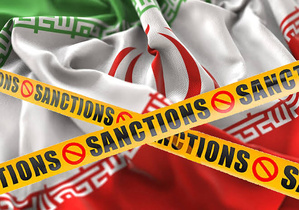
Iran's economic problems are becoming increasingly difficult to separate from the military conflict with the United States, as Washington intensifies sanctions while restrictions on Iranian shipping further disrupt the country's access to foreign trade. Iranian officials have acknowledged the growing pressure, with President Masoud Pezeshkian saying foreign trade has fallen by about 35 percent and the country's annual inflation rate reaching 66 percent. The figures point to an economy facing simultaneous pressure on trade, energy revenues, prices and access to international finance.
The latest phase of the American pressure campaign is significant because it targets the channels through which Iran has managed to continue trading despite years of sanctions. Washington has warned countries and companies that continue doing business with Iran that they could themselves face restrictions. The strategy is intended to make the cost of maintaining commercial ties with Tehran increasingly difficult for banks, shipping companies and trading partners to absorb.
The pressure is being applied while the war continues to interfere with Iran's ability to export oil, which remains one of the country's most important sources of foreign currency. The result is a combination that is more damaging than sanctions alone: Iran is dealing with reduced access to overseas markets at the same time that military disruption is making it harder to move the goods it can still sell.
Sanctions are targeting the trade channels Iran depends on
Iran has spent years developing ways to keep its economy functioning under sanctions. Oil has continued to reach overseas buyers through complicated shipping arrangements, while financial transactions have increasingly moved through networks designed to reduce exposure to the American financial system. China has remained Iran's most important oil customer, accounting for the overwhelming majority of its crude shipments.
That model has allowed Tehran to maintain a significant level of oil revenue despite restrictions. Recent shipping and market data, however, indicate that the war and the American blockade have made those arrangements substantially harder to operate. Iranian crude exports reportedly fell sharply after the blockade was introduced, although some shipments have continued through alternative routes and intermediaries. The problem for Tehran is therefore not simply whether it can produce oil, but whether it can move the oil to buyers and receive the proceeds reliably.
Washington's latest sanctions campaign is aimed at that vulnerability. The United States has threatened countries that continue commercial dealings with Iran with secondary sanctions, increasing the risk for companies that may otherwise have little direct connection with the American government. The objective is to make access to international finance and trade networks conditional on limiting dealings with Tehran.
The approach has already affected financial institutions outside Iran. The United States recently imposed sanctions on an Egyptian bank over transactions involving Iran and targeted other entities connected with Iranian financial networks. Such measures demonstrate how American pressure can reach beyond Iranian companies themselves and create a wider deterrent for foreign institutions.
The loss of trade is feeding directly into domestic hardship
The 35 percent decline in foreign trade reported by Pezeshkian provides an indication of how the external pressure is reaching the domestic economy. Iran depends on imports for a wide range of goods, machinery, industrial inputs and consumer products. When access to foreign trade becomes more difficult, the effects can appear through higher costs, shortages, weaker industrial activity and reduced purchasing power.
Inflation is already making those effects more severe. The reported annual inflation rate of 66 percent means that households face a dramatic increase in the cost of maintaining ordinary consumption. High inflation also makes it harder for businesses to plan investment, negotiate wages and maintain production because the value of money changes rapidly.
The pressure is particularly significant because Iran entered the war with economic weaknesses that had developed over many years. Sanctions had already restricted investment and reduced access to international banking, while the oil sector had faced difficulties obtaining technology, equipment and financing. The war has added another layer of disruption to an economy that was already operating under severe external constraints.
Recent reporting from inside Iran has also pointed to longer fuel queues, declining purchasing power and growing concern over the cost of basic goods. These developments matter politically because sanctions affect government finances, but inflation and shortages are experienced directly by households. The economic pressure therefore has a domestic dimension that cannot be measured solely through oil exports or trade statistics.
Oil remains Iran's main financial vulnerability
The most important reason the sanctions campaign can exert such pressure is the central role of oil in Iran's external economy. Iran can continue producing crude even when sanctions are imposed, but production alone does not generate the foreign currency the government needs. Oil must be transported, sold, insured and paid for through channels that can survive American restrictions.
The Strait of Hormuz has consequently become central to the economic conflict. Before the war, about one fifth of global oil supplies passed through the waterway, while Iran depends on the route for a very large share of its own exports. Restrictions on shipping therefore affect both Iran's ability to earn export revenue and the wider global energy market.
Iran has attempted to use control over the strait as leverage against American pressure. Iranian military officials maintain that shipping cannot resume normally without Iranian permission, while the United States says the waterway has been reopened. Shipping data indicate that traffic remains well below normal levels, showing that the dispute has practical economic consequences regardless of the competing political claims.
For Tehran, the strategy carries a difficult trade-off. Restricting the strait can create pressure on the United States and other countries by threatening energy supplies, but prolonged disruption can also reduce Iran's own ability to export oil and receive foreign currency. The longer the restrictions continue, the greater the possibility that the economic cost will fall on Iran as well as on its trading partners.
China provides Iran with a crucial economic lifeline
The effectiveness of Washington's strategy will depend heavily on what happens to Iran's relationship with China. Chinese buyers have remained the principal market for Iranian crude, with independent refineries in China prepared to purchase oil despite American sanctions.
Those buyers operate differently from large international companies because they have less exposure to the American financial system. Iranian oil can therefore continue moving through intermediaries, ship-to-ship transfers and alternative payment arrangements even when conventional trade channels are restricted.
That makes China both an economic lifeline for Iran and a major test for American sanctions policy. Washington can impose restrictions on individual Chinese companies, vessels and intermediaries, but extending the campaign to major Chinese financial institutions would carry much greater consequences for the wider American-Chinese economic relationship.
The United States has so far shown caution in that area. That suggests Washington is attempting to increase pressure on Iran without automatically turning the sanctions campaign into a broader confrontation with every major country that continues trading with Tehran.
Economic pressure is increasing the cost of prolonging the war
The latest sanctions therefore matter because they are being imposed on an economy already suffering from the consequences of disrupted oil exports, reduced trade and damaged commercial links. Iran has demonstrated for years that it can adapt to sanctions, but adaptation does not mean that restrictions have no economic cost. It often means that trade becomes more expensive, transactions become slower and oil has to be sold through less efficient channels.
That distinction is important when assessing the American strategy. Sanctions do not necessarily need to stop all Iranian oil exports to impose pressure. Reducing the volume of oil that can be sold, increasing the cost of transportation and limiting access to payment systems can reduce the amount of usable foreign currency reaching the Iranian economy.
The war adds another constraint by damaging normal commercial activity and disrupting maritime transportation. Iranian officials are now openly acknowledging the resulting economic hardship, while diplomatic efforts involving Qatar and Pakistan have again focused on restoring shipping through the Strait of Hormuz.
The economic pressure is therefore becoming an important part of the wider conflict. Iran still has routes for selling oil and maintaining trade, particularly through China and alternative financial networks. But those routes are becoming more difficult and costly to operate as Washington expands sanctions and the war continues to interfere with shipping.
For Tehran, the central economic problem is no longer simply surviving sanctions. It is maintaining enough trade and oil revenue to finance the economy while military disruption simultaneously limits the channels through which those revenues can reach the country. That combination is steadily increasing the economic cost of continuing the conflict.
(Source:www.reuters.com)
The latest phase of the American pressure campaign is significant because it targets the channels through which Iran has managed to continue trading despite years of sanctions. Washington has warned countries and companies that continue doing business with Iran that they could themselves face restrictions. The strategy is intended to make the cost of maintaining commercial ties with Tehran increasingly difficult for banks, shipping companies and trading partners to absorb.
The pressure is being applied while the war continues to interfere with Iran's ability to export oil, which remains one of the country's most important sources of foreign currency. The result is a combination that is more damaging than sanctions alone: Iran is dealing with reduced access to overseas markets at the same time that military disruption is making it harder to move the goods it can still sell.
Sanctions are targeting the trade channels Iran depends on
Iran has spent years developing ways to keep its economy functioning under sanctions. Oil has continued to reach overseas buyers through complicated shipping arrangements, while financial transactions have increasingly moved through networks designed to reduce exposure to the American financial system. China has remained Iran's most important oil customer, accounting for the overwhelming majority of its crude shipments.
That model has allowed Tehran to maintain a significant level of oil revenue despite restrictions. Recent shipping and market data, however, indicate that the war and the American blockade have made those arrangements substantially harder to operate. Iranian crude exports reportedly fell sharply after the blockade was introduced, although some shipments have continued through alternative routes and intermediaries. The problem for Tehran is therefore not simply whether it can produce oil, but whether it can move the oil to buyers and receive the proceeds reliably.
Washington's latest sanctions campaign is aimed at that vulnerability. The United States has threatened countries that continue commercial dealings with Iran with secondary sanctions, increasing the risk for companies that may otherwise have little direct connection with the American government. The objective is to make access to international finance and trade networks conditional on limiting dealings with Tehran.
The approach has already affected financial institutions outside Iran. The United States recently imposed sanctions on an Egyptian bank over transactions involving Iran and targeted other entities connected with Iranian financial networks. Such measures demonstrate how American pressure can reach beyond Iranian companies themselves and create a wider deterrent for foreign institutions.
The loss of trade is feeding directly into domestic hardship
The 35 percent decline in foreign trade reported by Pezeshkian provides an indication of how the external pressure is reaching the domestic economy. Iran depends on imports for a wide range of goods, machinery, industrial inputs and consumer products. When access to foreign trade becomes more difficult, the effects can appear through higher costs, shortages, weaker industrial activity and reduced purchasing power.
Inflation is already making those effects more severe. The reported annual inflation rate of 66 percent means that households face a dramatic increase in the cost of maintaining ordinary consumption. High inflation also makes it harder for businesses to plan investment, negotiate wages and maintain production because the value of money changes rapidly.
The pressure is particularly significant because Iran entered the war with economic weaknesses that had developed over many years. Sanctions had already restricted investment and reduced access to international banking, while the oil sector had faced difficulties obtaining technology, equipment and financing. The war has added another layer of disruption to an economy that was already operating under severe external constraints.
Recent reporting from inside Iran has also pointed to longer fuel queues, declining purchasing power and growing concern over the cost of basic goods. These developments matter politically because sanctions affect government finances, but inflation and shortages are experienced directly by households. The economic pressure therefore has a domestic dimension that cannot be measured solely through oil exports or trade statistics.
Oil remains Iran's main financial vulnerability
The most important reason the sanctions campaign can exert such pressure is the central role of oil in Iran's external economy. Iran can continue producing crude even when sanctions are imposed, but production alone does not generate the foreign currency the government needs. Oil must be transported, sold, insured and paid for through channels that can survive American restrictions.
The Strait of Hormuz has consequently become central to the economic conflict. Before the war, about one fifth of global oil supplies passed through the waterway, while Iran depends on the route for a very large share of its own exports. Restrictions on shipping therefore affect both Iran's ability to earn export revenue and the wider global energy market.
Iran has attempted to use control over the strait as leverage against American pressure. Iranian military officials maintain that shipping cannot resume normally without Iranian permission, while the United States says the waterway has been reopened. Shipping data indicate that traffic remains well below normal levels, showing that the dispute has practical economic consequences regardless of the competing political claims.
For Tehran, the strategy carries a difficult trade-off. Restricting the strait can create pressure on the United States and other countries by threatening energy supplies, but prolonged disruption can also reduce Iran's own ability to export oil and receive foreign currency. The longer the restrictions continue, the greater the possibility that the economic cost will fall on Iran as well as on its trading partners.
China provides Iran with a crucial economic lifeline
The effectiveness of Washington's strategy will depend heavily on what happens to Iran's relationship with China. Chinese buyers have remained the principal market for Iranian crude, with independent refineries in China prepared to purchase oil despite American sanctions.
Those buyers operate differently from large international companies because they have less exposure to the American financial system. Iranian oil can therefore continue moving through intermediaries, ship-to-ship transfers and alternative payment arrangements even when conventional trade channels are restricted.
That makes China both an economic lifeline for Iran and a major test for American sanctions policy. Washington can impose restrictions on individual Chinese companies, vessels and intermediaries, but extending the campaign to major Chinese financial institutions would carry much greater consequences for the wider American-Chinese economic relationship.
The United States has so far shown caution in that area. That suggests Washington is attempting to increase pressure on Iran without automatically turning the sanctions campaign into a broader confrontation with every major country that continues trading with Tehran.
Economic pressure is increasing the cost of prolonging the war
The latest sanctions therefore matter because they are being imposed on an economy already suffering from the consequences of disrupted oil exports, reduced trade and damaged commercial links. Iran has demonstrated for years that it can adapt to sanctions, but adaptation does not mean that restrictions have no economic cost. It often means that trade becomes more expensive, transactions become slower and oil has to be sold through less efficient channels.
That distinction is important when assessing the American strategy. Sanctions do not necessarily need to stop all Iranian oil exports to impose pressure. Reducing the volume of oil that can be sold, increasing the cost of transportation and limiting access to payment systems can reduce the amount of usable foreign currency reaching the Iranian economy.
The war adds another constraint by damaging normal commercial activity and disrupting maritime transportation. Iranian officials are now openly acknowledging the resulting economic hardship, while diplomatic efforts involving Qatar and Pakistan have again focused on restoring shipping through the Strait of Hormuz.
The economic pressure is therefore becoming an important part of the wider conflict. Iran still has routes for selling oil and maintaining trade, particularly through China and alternative financial networks. But those routes are becoming more difficult and costly to operate as Washington expands sanctions and the war continues to interfere with shipping.
For Tehran, the central economic problem is no longer simply surviving sanctions. It is maintaining enough trade and oil revenue to finance the economy while military disruption simultaneously limits the channels through which those revenues can reach the country. That combination is steadily increasing the economic cost of continuing the conflict.
(Source:www.reuters.com)
