


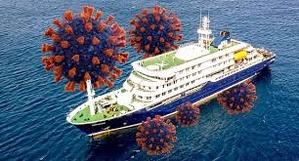
The outbreak of a rare hantavirus strain aboard an international cruise ship has triggered an urgent multinational effort to trace passengers, isolate potential infections, and prevent wider transmission as health authorities confront the growing challenges of disease control in an era of highly mobile global travel. Governments across Europe, Latin America, Africa, and North America have intensified surveillance measures after infected passengers from the cruise vessel dispersed through multiple countries before the outbreak was fully identified.
The incident has exposed how quickly infectious disease risks can spread through interconnected transport systems involving cruise tourism, commercial aviation, and international transit hubs. While health experts continue to stress that the virus involved requires extremely close contact for transmission and poses a relatively low public threat, the movement of passengers across borders before containment procedures were implemented has created an unusually complex international tracing operation.
Authorities now face the difficult task of reconstructing passenger movements spanning cruise ports, airports, hotels, connecting flights, and national transit systems. The urgency surrounding the response reflects growing concerns among governments that even diseases with limited transmission potential can rapidly create logistical and public health complications once international travel networks become involved.
Cruise Tourism Creates Unique Challenges for Disease Containment
Modern cruise operations present highly complicated environments for outbreak management because passengers from multiple countries often spend extended periods in close-contact conditions before dispersing internationally within hours. Unlike localized disease incidents confined to a single city or region, cruise-related outbreaks immediately involve overlapping jurisdictions, multinational passenger lists, and fragmented health monitoring systems.
The vessel at the center of the outbreak carried travelers from several countries while operating across multiple maritime regions before authorities fully understood the extent of infections onboard. During scheduled stops, passengers disembarked and continued onward travel before the outbreak prompted international concern. This created a situation in which potentially exposed individuals entered different national health systems simultaneously, forcing governments to coordinate response strategies under significant time pressure.
Health agencies increasingly view cruise tourism as one of the most operationally difficult sectors during infectious disease events because ships effectively function as temporary floating international communities. Passengers share dining areas, ventilation systems, recreational spaces, transport transfers, and guided excursions, increasing the complexity of identifying who may have interacted with infected individuals.
The situation became more complicated because some passengers reportedly developed symptoms only after leaving the vessel. Delayed symptom recognition often creates major difficulties for outbreak control because travelers may unknowingly continue moving through airports, hotels, public transportation systems, and border checkpoints before medical intervention begins.
Authorities in several countries immediately activated emergency contact tracing protocols after confirmation that passengers linked to the ship had traveled onward to Europe, Africa, and other destinations. Airlines, immigration agencies, tourism operators, and local hospitals became part of a rapidly expanding monitoring effort designed to identify individuals who may have had direct exposure to infected passengers.
The case also demonstrated how outbreaks aboard cruise ships can quickly shift from maritime incidents into broader international public health operations. Once passengers disperse globally, containment no longer depends solely on onboard quarantine measures but instead requires coordinated cooperation between multiple governments, health ministries, and transportation networks.
International Contact Tracing Expands Across Airports and Transit Routes
One of the most urgent aspects of the response involved reconstructing the travel movements of passengers who left the vessel before authorities fully recognized the outbreak risk. Health officials began examining flight manifests, immigration records, hotel stays, airport transfers, and airline crew interactions to determine where potential exposure may have occurred.
Particular attention focused on passengers who traveled through major international aviation hubs after leaving the ship. Airports represent especially sensitive locations during disease investigations because infected travelers may interact with airline personnel, transit workers, security staff, and large numbers of passengers within relatively confined environments.
The case involving a Dutch passenger who reportedly became seriously ill during air travel highlighted the operational difficulties authorities now face. Airline staff who interacted closely with symptomatic passengers required monitoring, while medical teams investigated whether additional individuals may have been exposed during the journey.
Such incidents place airlines under immediate pressure because even limited disease exposure aboard commercial flights can trigger widespread public concern. Airlines must balance passenger privacy regulations with public health obligations while cooperating with governments attempting to trace potential transmission chains.
International aviation systems have become increasingly central to outbreak response strategies because global passenger mobility allows diseases to cross borders faster than traditional health monitoring systems were originally designed to manage. The cruise ship incident reinforced how quickly localized health events can evolve into multinational logistical emergencies once infected travelers begin moving through interconnected transport infrastructure.
Health authorities also faced challenges linked to incomplete or delayed information. Passenger itineraries frequently involve multiple connecting flights, independent hotel bookings, private excursions, and regional travel arrangements that may not immediately appear in centralized databases. Reconstructing those movements requires cooperation between immigration agencies, airlines, tourism operators, hospitals, and local authorities spread across different legal and administrative systems.
Governments moved quickly to identify high-risk contacts while attempting to avoid unnecessary public alarm. Officials repeatedly emphasized that the specific hantavirus strain involved spreads only through very close human contact and does not behave like highly airborne respiratory viruses. Nevertheless, even limited transmission potential can generate significant concern when international travel is involved.
The outbreak has also renewed attention on the vulnerability of transport workers during infectious disease incidents. Airline crews, cruise staff, medical personnel, and airport employees often become frontline exposure risks because of their repeated interactions with travelers from multiple countries within compressed timeframes.
Rare Human Transmission Strain Raises Global Medical Attention
The virus identified aboard the cruise ship belongs to the Andean hantavirus strain, one of the few hantavirus variants known to possess limited human-to-human transmission capability. Most hantavirus infections historically occur through exposure to infected rodents or contaminated environments rather than direct transmission between people.
That distinction became central to official messaging as governments attempted to balance caution with reassurance. Health experts stressed that sustained transmission remains extremely rare and generally requires prolonged close physical interaction. However, the rarity of person-to-person spread also increases medical sensitivity because such cases attract heightened scientific and public attention.
Hantavirus infections can produce severe respiratory complications and carry significant fatality risks in serious cases. Symptoms often begin with fever, fatigue, muscle pain, and breathing difficulties before progressing rapidly in some patients. Early identification remains crucial because severe infections can deteriorate quickly and require intensive medical support.
The outbreak prompted several countries to strengthen laboratory monitoring and clinical preparedness measures. Hospitals receiving potentially exposed passengers implemented isolation protocols while diagnostic testing expanded to determine whether additional infections had occurred.
Medical authorities also began examining the possible origin of exposure linked to the cruise route. Argentina announced investigations involving rodent monitoring and environmental analysis near departure locations connected to the vessel’s earlier operations. Such investigations are important because hantavirus outbreaks are often associated with ecological conditions influencing rodent populations and human exposure patterns.
Scientists continue studying the factors that influence why certain hantavirus strains occasionally spread between humans while most do not. Understanding those mechanisms remains critical for future outbreak preparedness because even limited transmissibility can complicate containment once international travel networks become involved.
The cruise ship case also highlighted how modern disease response increasingly depends on rapid genomic analysis and international data sharing. Identifying the precise strain involved allowed health authorities to estimate transmission risks more accurately and avoid unnecessary escalation measures.
At the same time, governments remained cautious because uncertainty surrounding emerging infections can quickly affect tourism, aviation, and public confidence. Officials sought to maintain transparency while avoiding the type of panic that can disrupt transport systems and overwhelm healthcare services even when actual transmission risks remain relatively contained.
Quarantine Planning and Repatriation Become Major Diplomatic Operations
As the vessel continued toward Europe under medical supervision, authorities began preparing highly coordinated disembarkation and quarantine procedures involving multiple governments and international health agencies. The ship’s arrival required careful planning to separate potentially exposed passengers, arrange medical screening, and organize repatriation logistics without creating further transmission risks.
Spain emerged as a central coordination point because the vessel was scheduled to dock in the Canary Islands before passengers would be transferred onward to their home countries. Health officials worked alongside European disease control authorities to design protocols governing testing, quarantine measures, transportation arrangements, and hospital preparedness.
Repatriating passengers during infectious disease events often becomes a significant diplomatic and logistical challenge because governments must coordinate medical standards, border entry permissions, specialized transport, and isolation facilities across multiple jurisdictions. Countries receiving returning citizens frequently adopt different risk thresholds and quarantine approaches depending on domestic health policies and political considerations.
Some passengers requiring medical attention were evacuated before the vessel reached Europe, demonstrating the seriousness with which authorities treated possible infections despite repeated assurances about limited public risk. Specialized medical transport systems were activated to transfer patients safely between countries while minimizing exposure during transit.
The incident also illustrated how health crises increasingly overlap with broader diplomatic coordination. Governments had to exchange passenger data, medical information, laboratory results, and travel histories rapidly while complying with privacy regulations and international health agreements.
Cruise operators faced growing operational pressure as well. Disease outbreaks aboard passenger ships can damage public confidence in the tourism sector, particularly after previous global experiences involving maritime quarantine situations. Companies operating international cruises are now under increasing scrutiny regarding onboard medical preparedness, ventilation systems, emergency isolation capabilities, and outbreak reporting procedures.
The wider economic implications extend beyond the vessel itself. Cruise tourism supports airlines, hotels, port operators, restaurants, excursion providers, and regional tourism economies. Even isolated outbreaks can affect booking trends and insurance costs across the broader travel industry.
Health officials continued emphasizing that the overall public threat remained low because the virus requires extremely close contact for transmission. Nevertheless, the rapid international mobilization surrounding the outbreak reflected lessons learned from previous global health emergencies, where delayed intervention often allowed localized incidents to expand into larger crises.
The multinational response demonstrated how modern outbreak management increasingly depends on speed, transparency, and coordination across borders. In a world defined by continuous international mobility, even rare infections aboard a single vessel can rapidly trigger a global network of surveillance, tracing, quarantine planning, and emergency medical cooperation.
(Source:www.ndtc.com)
The incident has exposed how quickly infectious disease risks can spread through interconnected transport systems involving cruise tourism, commercial aviation, and international transit hubs. While health experts continue to stress that the virus involved requires extremely close contact for transmission and poses a relatively low public threat, the movement of passengers across borders before containment procedures were implemented has created an unusually complex international tracing operation.
Authorities now face the difficult task of reconstructing passenger movements spanning cruise ports, airports, hotels, connecting flights, and national transit systems. The urgency surrounding the response reflects growing concerns among governments that even diseases with limited transmission potential can rapidly create logistical and public health complications once international travel networks become involved.
Cruise Tourism Creates Unique Challenges for Disease Containment
Modern cruise operations present highly complicated environments for outbreak management because passengers from multiple countries often spend extended periods in close-contact conditions before dispersing internationally within hours. Unlike localized disease incidents confined to a single city or region, cruise-related outbreaks immediately involve overlapping jurisdictions, multinational passenger lists, and fragmented health monitoring systems.
The vessel at the center of the outbreak carried travelers from several countries while operating across multiple maritime regions before authorities fully understood the extent of infections onboard. During scheduled stops, passengers disembarked and continued onward travel before the outbreak prompted international concern. This created a situation in which potentially exposed individuals entered different national health systems simultaneously, forcing governments to coordinate response strategies under significant time pressure.
Health agencies increasingly view cruise tourism as one of the most operationally difficult sectors during infectious disease events because ships effectively function as temporary floating international communities. Passengers share dining areas, ventilation systems, recreational spaces, transport transfers, and guided excursions, increasing the complexity of identifying who may have interacted with infected individuals.
The situation became more complicated because some passengers reportedly developed symptoms only after leaving the vessel. Delayed symptom recognition often creates major difficulties for outbreak control because travelers may unknowingly continue moving through airports, hotels, public transportation systems, and border checkpoints before medical intervention begins.
Authorities in several countries immediately activated emergency contact tracing protocols after confirmation that passengers linked to the ship had traveled onward to Europe, Africa, and other destinations. Airlines, immigration agencies, tourism operators, and local hospitals became part of a rapidly expanding monitoring effort designed to identify individuals who may have had direct exposure to infected passengers.
The case also demonstrated how outbreaks aboard cruise ships can quickly shift from maritime incidents into broader international public health operations. Once passengers disperse globally, containment no longer depends solely on onboard quarantine measures but instead requires coordinated cooperation between multiple governments, health ministries, and transportation networks.
International Contact Tracing Expands Across Airports and Transit Routes
One of the most urgent aspects of the response involved reconstructing the travel movements of passengers who left the vessel before authorities fully recognized the outbreak risk. Health officials began examining flight manifests, immigration records, hotel stays, airport transfers, and airline crew interactions to determine where potential exposure may have occurred.
Particular attention focused on passengers who traveled through major international aviation hubs after leaving the ship. Airports represent especially sensitive locations during disease investigations because infected travelers may interact with airline personnel, transit workers, security staff, and large numbers of passengers within relatively confined environments.
The case involving a Dutch passenger who reportedly became seriously ill during air travel highlighted the operational difficulties authorities now face. Airline staff who interacted closely with symptomatic passengers required monitoring, while medical teams investigated whether additional individuals may have been exposed during the journey.
Such incidents place airlines under immediate pressure because even limited disease exposure aboard commercial flights can trigger widespread public concern. Airlines must balance passenger privacy regulations with public health obligations while cooperating with governments attempting to trace potential transmission chains.
International aviation systems have become increasingly central to outbreak response strategies because global passenger mobility allows diseases to cross borders faster than traditional health monitoring systems were originally designed to manage. The cruise ship incident reinforced how quickly localized health events can evolve into multinational logistical emergencies once infected travelers begin moving through interconnected transport infrastructure.
Health authorities also faced challenges linked to incomplete or delayed information. Passenger itineraries frequently involve multiple connecting flights, independent hotel bookings, private excursions, and regional travel arrangements that may not immediately appear in centralized databases. Reconstructing those movements requires cooperation between immigration agencies, airlines, tourism operators, hospitals, and local authorities spread across different legal and administrative systems.
Governments moved quickly to identify high-risk contacts while attempting to avoid unnecessary public alarm. Officials repeatedly emphasized that the specific hantavirus strain involved spreads only through very close human contact and does not behave like highly airborne respiratory viruses. Nevertheless, even limited transmission potential can generate significant concern when international travel is involved.
The outbreak has also renewed attention on the vulnerability of transport workers during infectious disease incidents. Airline crews, cruise staff, medical personnel, and airport employees often become frontline exposure risks because of their repeated interactions with travelers from multiple countries within compressed timeframes.
Rare Human Transmission Strain Raises Global Medical Attention
The virus identified aboard the cruise ship belongs to the Andean hantavirus strain, one of the few hantavirus variants known to possess limited human-to-human transmission capability. Most hantavirus infections historically occur through exposure to infected rodents or contaminated environments rather than direct transmission between people.
That distinction became central to official messaging as governments attempted to balance caution with reassurance. Health experts stressed that sustained transmission remains extremely rare and generally requires prolonged close physical interaction. However, the rarity of person-to-person spread also increases medical sensitivity because such cases attract heightened scientific and public attention.
Hantavirus infections can produce severe respiratory complications and carry significant fatality risks in serious cases. Symptoms often begin with fever, fatigue, muscle pain, and breathing difficulties before progressing rapidly in some patients. Early identification remains crucial because severe infections can deteriorate quickly and require intensive medical support.
The outbreak prompted several countries to strengthen laboratory monitoring and clinical preparedness measures. Hospitals receiving potentially exposed passengers implemented isolation protocols while diagnostic testing expanded to determine whether additional infections had occurred.
Medical authorities also began examining the possible origin of exposure linked to the cruise route. Argentina announced investigations involving rodent monitoring and environmental analysis near departure locations connected to the vessel’s earlier operations. Such investigations are important because hantavirus outbreaks are often associated with ecological conditions influencing rodent populations and human exposure patterns.
Scientists continue studying the factors that influence why certain hantavirus strains occasionally spread between humans while most do not. Understanding those mechanisms remains critical for future outbreak preparedness because even limited transmissibility can complicate containment once international travel networks become involved.
The cruise ship case also highlighted how modern disease response increasingly depends on rapid genomic analysis and international data sharing. Identifying the precise strain involved allowed health authorities to estimate transmission risks more accurately and avoid unnecessary escalation measures.
At the same time, governments remained cautious because uncertainty surrounding emerging infections can quickly affect tourism, aviation, and public confidence. Officials sought to maintain transparency while avoiding the type of panic that can disrupt transport systems and overwhelm healthcare services even when actual transmission risks remain relatively contained.
Quarantine Planning and Repatriation Become Major Diplomatic Operations
As the vessel continued toward Europe under medical supervision, authorities began preparing highly coordinated disembarkation and quarantine procedures involving multiple governments and international health agencies. The ship’s arrival required careful planning to separate potentially exposed passengers, arrange medical screening, and organize repatriation logistics without creating further transmission risks.
Spain emerged as a central coordination point because the vessel was scheduled to dock in the Canary Islands before passengers would be transferred onward to their home countries. Health officials worked alongside European disease control authorities to design protocols governing testing, quarantine measures, transportation arrangements, and hospital preparedness.
Repatriating passengers during infectious disease events often becomes a significant diplomatic and logistical challenge because governments must coordinate medical standards, border entry permissions, specialized transport, and isolation facilities across multiple jurisdictions. Countries receiving returning citizens frequently adopt different risk thresholds and quarantine approaches depending on domestic health policies and political considerations.
Some passengers requiring medical attention were evacuated before the vessel reached Europe, demonstrating the seriousness with which authorities treated possible infections despite repeated assurances about limited public risk. Specialized medical transport systems were activated to transfer patients safely between countries while minimizing exposure during transit.
The incident also illustrated how health crises increasingly overlap with broader diplomatic coordination. Governments had to exchange passenger data, medical information, laboratory results, and travel histories rapidly while complying with privacy regulations and international health agreements.
Cruise operators faced growing operational pressure as well. Disease outbreaks aboard passenger ships can damage public confidence in the tourism sector, particularly after previous global experiences involving maritime quarantine situations. Companies operating international cruises are now under increasing scrutiny regarding onboard medical preparedness, ventilation systems, emergency isolation capabilities, and outbreak reporting procedures.
The wider economic implications extend beyond the vessel itself. Cruise tourism supports airlines, hotels, port operators, restaurants, excursion providers, and regional tourism economies. Even isolated outbreaks can affect booking trends and insurance costs across the broader travel industry.
Health officials continued emphasizing that the overall public threat remained low because the virus requires extremely close contact for transmission. Nevertheless, the rapid international mobilization surrounding the outbreak reflected lessons learned from previous global health emergencies, where delayed intervention often allowed localized incidents to expand into larger crises.
The multinational response demonstrated how modern outbreak management increasingly depends on speed, transparency, and coordination across borders. In a world defined by continuous international mobility, even rare infections aboard a single vessel can rapidly trigger a global network of surveillance, tracing, quarantine planning, and emergency medical cooperation.
(Source:www.ndtc.com)
