


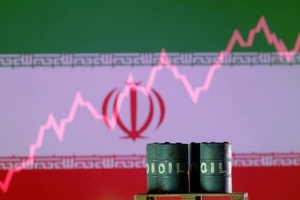
Iran is intensifying efforts to rebuild energy ties with Japan as it looks beyond short-term sanctions relief and positions itself for a broader return to international oil markets. According to multiple sources familiar with the discussions, Iranian officials have opened preliminary talks with Japanese companies following a temporary United States sanctions waiver that allows limited crude oil sales. However, the discussions also highlight the significant commercial, logistical and geopolitical hurdles that continue to stand between diplomatic progress and the resumption of regular trade.
Rather than representing an immediate revival of Iranian oil exports to Japan, the talks appear to be part of a longer-term strategy aimed at restoring relationships with former customers that were lost after sanctions tightened in 2018. While the temporary waiver has created an opportunity for engagement, prospective buyers remain cautious, seeking greater certainty over sanctions, shipping security and insurance before committing to purchases. According to sources, the negotiations remain at an early stage and no commercial agreements have been confirmed.
Iran's outreach reflects a broader export recovery strategy
Iran's decision to approach Japanese buyers extends beyond the limited commercial opportunities created by the current sanctions waiver. Before renewed United States sanctions forced most international buyers to withdraw from the market, Japan ranked among Iran's important crude oil customers alongside India, South Korea and several European nations. Since then, China has emerged as the dominant buyer of Iranian crude, with independent refiners continuing to purchase discounted cargoes despite sanctions.
By reopening discussions with Japan, Tehran appears to be pursuing two objectives simultaneously. The first is to demonstrate that demand exists beyond China if diplomatic negotiations eventually produce more durable sanctions relief. The second is to rebuild commercial relationships that could enable exports to resume more quickly once regulatory restrictions ease.
Sources indicate that Iran's National Iranian Oil Company has contacted traditional buyers and communicated its willingness to restore supply arrangements if negotiations between Tehran and Washington lead to a more permanent settlement. This approach suggests that Iran is planning for a post-sanctions market rather than focusing solely on the current temporary window.
Short waiver leaves refiners reluctant to commit
Although the temporary sanctions waiver has reopened the possibility of Iranian exports, its limited duration has become one of the biggest obstacles to commercial transactions. Sources indicate that Japanese companies considering purchases want the waiver extended because the existing timeframe leaves little room to complete the entire supply chain.
A crude oil transaction involves much more than agreeing on a purchase price. Companies must finalise contracts, arrange financing, obtain regulatory approvals, secure marine insurance, charter suitable tankers and complete voyages that can take several weeks between Iran and Japan. Any delay could leave shipments exposed if the sanctions waiver expires before cargoes are discharged.
Industry participants also point out that most Asian refiners had already secured crude supplies months in advance following disruptions earlier this year. Existing contracts with producers in the Middle East, the United States, Africa, Russia and Latin America have reduced the commercial need to seek additional Iranian cargoes immediately. As a result, several refiners are adopting a wait-and-watch approach rather than rushing back into a market where regulatory conditions could change quickly.
Analysts believe this explains why the current waiver is expected to generate limited demand outside China despite reopening legal pathways for some transactions. Independent Chinese refiners, which have long experience handling Iranian crude, are still viewed as the most likely buyers during the temporary easing of sanctions.
Shipping security and insurance remain decisive challenges
Even if sanctions concerns are eventually resolved, the physical movement of crude oil presents another major challenge. According to sources familiar with the discussions, Japanese companies are seeking assurances that tanker operations can proceed safely through the Strait of Hormuz, one of the world's most strategically important maritime routes.
Recent regional tensions have highlighted the vulnerability of commercial shipping in the waterway. Reports of attacks involving commercial vessels, additional security requirements imposed by Iranian authorities and concerns over floating naval mines have significantly increased operational risks. These developments have forced shipping companies and insurers to reassess exposure before accepting new voyages.
Insurance has become one of the most critical commercial issues. Tankers transporting crude through conflict-prone regions require specialised war-risk coverage, and higher premiums can substantially increase the delivered cost of oil. Without affordable insurance, even legally permitted shipments may prove commercially unattractive.
Sources also indicate that any future cargoes destined for Japan would likely be loaded at Iran's Kharg Island export terminal and transported by Japanese-operated tankers. That makes stable navigation conditions essential before refiners can confidently resume imports.
Japan balances energy security with commercial caution
Japan's response reflects a broader shift in its energy strategy over recent years. Following the suspension of Iranian imports in 2019, Japanese refiners diversified supply sources and strengthened procurement relationships with producers outside Iran. The disruptions affecting the Strait of Hormuz this year have further reinforced the importance of reducing dependence on any single region.
Major refiners have already secured sufficient crude supplies for the coming months by increasing purchases from alternative producers, including the United States and other exporting countries. Industry executives have also emphasised the importance of balancing long-term energy security with commercial competitiveness rather than relying heavily on one source of supply.
This means the reopening of discussions with Iran does not automatically translate into renewed purchases. Japanese companies must evaluate pricing, contractual obligations, refining compatibility, regulatory compliance and geopolitical risks before changing procurement strategies that have evolved over several years.
Government officials have also indicated that any decision to import Iranian crude would ultimately rest with private companies rather than public authorities. Consequently, commercial considerations are expected to outweigh diplomatic symbolism during the current phase of discussions.
For Iran, however, the significance of the talks extends well beyond immediate export volumes. Re-establishing dialogue with former customers demonstrates an effort to reduce reliance on a single dominant market while preparing for a future in which broader sanctions relief could restore access to multiple Asian buyers. According to sources familiar with the negotiations, that longer-term objective explains why Tehran is actively engaging Japan despite the limited commercial opportunities created by the current sanctions waiver.
(Source:www.japantimes.co.jp)
Rather than representing an immediate revival of Iranian oil exports to Japan, the talks appear to be part of a longer-term strategy aimed at restoring relationships with former customers that were lost after sanctions tightened in 2018. While the temporary waiver has created an opportunity for engagement, prospective buyers remain cautious, seeking greater certainty over sanctions, shipping security and insurance before committing to purchases. According to sources, the negotiations remain at an early stage and no commercial agreements have been confirmed.
Iran's outreach reflects a broader export recovery strategy
Iran's decision to approach Japanese buyers extends beyond the limited commercial opportunities created by the current sanctions waiver. Before renewed United States sanctions forced most international buyers to withdraw from the market, Japan ranked among Iran's important crude oil customers alongside India, South Korea and several European nations. Since then, China has emerged as the dominant buyer of Iranian crude, with independent refiners continuing to purchase discounted cargoes despite sanctions.
By reopening discussions with Japan, Tehran appears to be pursuing two objectives simultaneously. The first is to demonstrate that demand exists beyond China if diplomatic negotiations eventually produce more durable sanctions relief. The second is to rebuild commercial relationships that could enable exports to resume more quickly once regulatory restrictions ease.
Sources indicate that Iran's National Iranian Oil Company has contacted traditional buyers and communicated its willingness to restore supply arrangements if negotiations between Tehran and Washington lead to a more permanent settlement. This approach suggests that Iran is planning for a post-sanctions market rather than focusing solely on the current temporary window.
Short waiver leaves refiners reluctant to commit
Although the temporary sanctions waiver has reopened the possibility of Iranian exports, its limited duration has become one of the biggest obstacles to commercial transactions. Sources indicate that Japanese companies considering purchases want the waiver extended because the existing timeframe leaves little room to complete the entire supply chain.
A crude oil transaction involves much more than agreeing on a purchase price. Companies must finalise contracts, arrange financing, obtain regulatory approvals, secure marine insurance, charter suitable tankers and complete voyages that can take several weeks between Iran and Japan. Any delay could leave shipments exposed if the sanctions waiver expires before cargoes are discharged.
Industry participants also point out that most Asian refiners had already secured crude supplies months in advance following disruptions earlier this year. Existing contracts with producers in the Middle East, the United States, Africa, Russia and Latin America have reduced the commercial need to seek additional Iranian cargoes immediately. As a result, several refiners are adopting a wait-and-watch approach rather than rushing back into a market where regulatory conditions could change quickly.
Analysts believe this explains why the current waiver is expected to generate limited demand outside China despite reopening legal pathways for some transactions. Independent Chinese refiners, which have long experience handling Iranian crude, are still viewed as the most likely buyers during the temporary easing of sanctions.
Shipping security and insurance remain decisive challenges
Even if sanctions concerns are eventually resolved, the physical movement of crude oil presents another major challenge. According to sources familiar with the discussions, Japanese companies are seeking assurances that tanker operations can proceed safely through the Strait of Hormuz, one of the world's most strategically important maritime routes.
Recent regional tensions have highlighted the vulnerability of commercial shipping in the waterway. Reports of attacks involving commercial vessels, additional security requirements imposed by Iranian authorities and concerns over floating naval mines have significantly increased operational risks. These developments have forced shipping companies and insurers to reassess exposure before accepting new voyages.
Insurance has become one of the most critical commercial issues. Tankers transporting crude through conflict-prone regions require specialised war-risk coverage, and higher premiums can substantially increase the delivered cost of oil. Without affordable insurance, even legally permitted shipments may prove commercially unattractive.
Sources also indicate that any future cargoes destined for Japan would likely be loaded at Iran's Kharg Island export terminal and transported by Japanese-operated tankers. That makes stable navigation conditions essential before refiners can confidently resume imports.
Japan balances energy security with commercial caution
Japan's response reflects a broader shift in its energy strategy over recent years. Following the suspension of Iranian imports in 2019, Japanese refiners diversified supply sources and strengthened procurement relationships with producers outside Iran. The disruptions affecting the Strait of Hormuz this year have further reinforced the importance of reducing dependence on any single region.
Major refiners have already secured sufficient crude supplies for the coming months by increasing purchases from alternative producers, including the United States and other exporting countries. Industry executives have also emphasised the importance of balancing long-term energy security with commercial competitiveness rather than relying heavily on one source of supply.
This means the reopening of discussions with Iran does not automatically translate into renewed purchases. Japanese companies must evaluate pricing, contractual obligations, refining compatibility, regulatory compliance and geopolitical risks before changing procurement strategies that have evolved over several years.
Government officials have also indicated that any decision to import Iranian crude would ultimately rest with private companies rather than public authorities. Consequently, commercial considerations are expected to outweigh diplomatic symbolism during the current phase of discussions.
For Iran, however, the significance of the talks extends well beyond immediate export volumes. Re-establishing dialogue with former customers demonstrates an effort to reduce reliance on a single dominant market while preparing for a future in which broader sanctions relief could restore access to multiple Asian buyers. According to sources familiar with the negotiations, that longer-term objective explains why Tehran is actively engaging Japan despite the limited commercial opportunities created by the current sanctions waiver.
(Source:www.japantimes.co.jp)
