


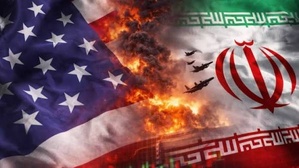
The failure to revive the interim peace agreement between Iran and the United States is no longer simply a dispute over whether the June arrangement can be extended. The deeper problem is that both sides now disagree over whether the agreement ever functioned as intended. According to an Iranian government source cited in recent reporting, mediation efforts have produced no progress on restoring the interim arrangement or establishing a timetable for fulfilling its commitments. That deadlock reflects a much broader collapse of confidence between Washington and Tehran.
The June agreement was supposed to create a limited period of stability in which the two governments could move from stopping military operations to negotiating a more durable settlement. It linked several difficult issues together, including the cessation of hostilities, maritime access through the Strait of Hormuz, the United States naval blockade of Iranian ports, sanctions relief, frozen Iranian assets and negotiations over Iran's nuclear programme. The arrangement therefore depended on both governments implementing politically sensitive commitments at roughly the same time.
Instead, the agreement quickly became another arena for competing interpretations. Washington argued that Iran had failed to deliver on maritime commitments, while Tehran maintained that the United States had failed to honour its own obligations. Once each side began treating the other as the party in breach, the interim arrangement lost its most important asset: a minimum level of trust that would allow difficult concessions to proceed.
The agreement failed because sequencing became the central dispute
The most important weakness in the June arrangement was the difficulty of sequencing reciprocal actions. Iran wanted concrete evidence that the United States would remove restrictions and restore economic access. Washington, meanwhile, wanted reliable evidence that Iran would permit unrestricted commercial navigation through the Strait of Hormuz before fully relaxing pressure.
That created a classic implementation problem. Each side had an incentive to demand the other side's concession first. The United States could argue that maritime access was a measurable obligation that Iran could fulfil immediately. Iran could equally argue that the lifting of the naval blockade and the restoration of economic access were necessary demonstrations of American compliance. With neither side willing to move first, the agreement became vulnerable to even relatively small incidents.
The dispute over Hormuz illustrates why the problem cannot be solved merely by announcing another ceasefire. The waterway is strategically important to global energy markets and became one of the principal pressure points in the conflict. Before the war, it carried a substantial share of global oil and liquefied natural gas shipments. Any uncertainty about its accessibility therefore has consequences far beyond Iran and the United States.
The June agreement attempted to address this by linking the reopening of the waterway with the wider diplomatic process. But its provisions left room for different interpretations, particularly over the practical conditions under which commercial vessels would be allowed to pass and how quickly the American naval blockade would be removed. Analysts subsequently identified this ambiguity as one of the reasons the arrangement deteriorated.
Hormuz has become a measure of political credibility
The current dispute over the Strait of Hormuz is therefore about more than shipping. It has become a test of whether either government can claim that its commitments are being respected.
Recent statements from Washington and Tehran demonstrate how far apart their positions remain. President Donald Trump has asserted that the United States has total control over the strait, while Iranian authorities have maintained that the waterway will not be reopened under conditions they consider unacceptable. Such statements make compromise more difficult because control of the waterway has become tied to national sovereignty and political credibility.
The latest tensions have been aggravated by new incidents involving shipping and military forces. These incidents matter diplomatically because they reinforce the argument on each side that the other cannot be trusted to implement an agreement. A government facing a fresh security incident is naturally less inclined to make concessions to the party it blames for creating that incident.
This produces a damaging cycle. Military pressure reduces confidence in diplomacy, reduced confidence makes compromise harder, and the absence of diplomatic progress encourages both sides to rely more heavily on military and economic pressure. The longer that cycle continues, the more difficult it becomes to restore the original interim framework.
The nuclear issue remains the harder long-term problem
Even if the immediate dispute over Hormuz were resolved, the central negotiations would still face the far more complicated question of Iran's nuclear programme.
The June arrangement was designed partly to create time for negotiations over nuclear restrictions and sanctions. The interim period was never intended to solve every underlying disagreement immediately. Instead, it was supposed to prevent renewed conflict while negotiators worked toward a final settlement.
That model requires a relatively stable diplomatic environment. The collapse of the interim arrangement has made that environment harder to establish. Washington wants restrictions on Iran's nuclear capabilities and greater confidence that Tehran cannot move toward a nuclear weapon. Iran, in turn, wants meaningful economic relief and guarantees against continued American pressure.
Those objectives are not necessarily impossible to reconcile, but they require carefully sequenced commitments and credible mechanisms for verification. The current dispute suggests that neither government believes the other will reliably fulfil promises without substantial safeguards.
Why mediation has so far failed to bridge the gap
Third-party mediation has kept communication channels open, but it has not resolved the fundamental problem. Pakistan and other regional actors have helped transmit proposals and facilitate contacts, yet mediators cannot force either Washington or Tehran to accept an arrangement that their governments regard as strategically damaging.
The latest Iranian account that there has been no progress on restoring the interim agreement is particularly significant because Tehran does not even appear to accept the premise that the original 60-day period can simply be extended. The Iranian position is that the United States violated the agreement almost immediately, meaning there is no valid period left to extend. That interpretation effectively removes the easiest diplomatic option: simply adding more time to the existing framework.
Washington faces the opposite problem. Accepting Iran's interpretation could be portrayed as rewarding non-compliance, while maintaining that Iran breached the agreement leaves little room for Tehran to return without first making a concession. The political cost of appearing to retreat is therefore becoming part of the negotiating equation.
The result is a diplomatic stalemate in which the technical details of the agreement are overshadowed by the question of credibility. Neither side is currently prepared to make the first major move because doing so without reciprocal guarantees could weaken its position in subsequent negotiations.
For now, the prospects of reviving the June arrangement therefore depend less on finding another formula for a temporary ceasefire than on rebuilding a mechanism through which both governments can verify compliance step by step. Without that, the same disputes over Hormuz, sanctions, economic access and nuclear restrictions are likely to reappear even if another political declaration is reached.
The immediate danger is that continued military incidents will make diplomacy progressively more expensive for both sides. The longer the interim agreement remains suspended in practice, the harder it becomes to restore the conditions under which it was negotiated. What began as a temporary bridge toward a permanent settlement has instead become evidence of how little strategic trust remains between Washington and Tehran.
(Source:www.theprint.in)
The June agreement was supposed to create a limited period of stability in which the two governments could move from stopping military operations to negotiating a more durable settlement. It linked several difficult issues together, including the cessation of hostilities, maritime access through the Strait of Hormuz, the United States naval blockade of Iranian ports, sanctions relief, frozen Iranian assets and negotiations over Iran's nuclear programme. The arrangement therefore depended on both governments implementing politically sensitive commitments at roughly the same time.
Instead, the agreement quickly became another arena for competing interpretations. Washington argued that Iran had failed to deliver on maritime commitments, while Tehran maintained that the United States had failed to honour its own obligations. Once each side began treating the other as the party in breach, the interim arrangement lost its most important asset: a minimum level of trust that would allow difficult concessions to proceed.
The agreement failed because sequencing became the central dispute
The most important weakness in the June arrangement was the difficulty of sequencing reciprocal actions. Iran wanted concrete evidence that the United States would remove restrictions and restore economic access. Washington, meanwhile, wanted reliable evidence that Iran would permit unrestricted commercial navigation through the Strait of Hormuz before fully relaxing pressure.
That created a classic implementation problem. Each side had an incentive to demand the other side's concession first. The United States could argue that maritime access was a measurable obligation that Iran could fulfil immediately. Iran could equally argue that the lifting of the naval blockade and the restoration of economic access were necessary demonstrations of American compliance. With neither side willing to move first, the agreement became vulnerable to even relatively small incidents.
The dispute over Hormuz illustrates why the problem cannot be solved merely by announcing another ceasefire. The waterway is strategically important to global energy markets and became one of the principal pressure points in the conflict. Before the war, it carried a substantial share of global oil and liquefied natural gas shipments. Any uncertainty about its accessibility therefore has consequences far beyond Iran and the United States.
The June agreement attempted to address this by linking the reopening of the waterway with the wider diplomatic process. But its provisions left room for different interpretations, particularly over the practical conditions under which commercial vessels would be allowed to pass and how quickly the American naval blockade would be removed. Analysts subsequently identified this ambiguity as one of the reasons the arrangement deteriorated.
Hormuz has become a measure of political credibility
The current dispute over the Strait of Hormuz is therefore about more than shipping. It has become a test of whether either government can claim that its commitments are being respected.
Recent statements from Washington and Tehran demonstrate how far apart their positions remain. President Donald Trump has asserted that the United States has total control over the strait, while Iranian authorities have maintained that the waterway will not be reopened under conditions they consider unacceptable. Such statements make compromise more difficult because control of the waterway has become tied to national sovereignty and political credibility.
The latest tensions have been aggravated by new incidents involving shipping and military forces. These incidents matter diplomatically because they reinforce the argument on each side that the other cannot be trusted to implement an agreement. A government facing a fresh security incident is naturally less inclined to make concessions to the party it blames for creating that incident.
This produces a damaging cycle. Military pressure reduces confidence in diplomacy, reduced confidence makes compromise harder, and the absence of diplomatic progress encourages both sides to rely more heavily on military and economic pressure. The longer that cycle continues, the more difficult it becomes to restore the original interim framework.
The nuclear issue remains the harder long-term problem
Even if the immediate dispute over Hormuz were resolved, the central negotiations would still face the far more complicated question of Iran's nuclear programme.
The June arrangement was designed partly to create time for negotiations over nuclear restrictions and sanctions. The interim period was never intended to solve every underlying disagreement immediately. Instead, it was supposed to prevent renewed conflict while negotiators worked toward a final settlement.
That model requires a relatively stable diplomatic environment. The collapse of the interim arrangement has made that environment harder to establish. Washington wants restrictions on Iran's nuclear capabilities and greater confidence that Tehran cannot move toward a nuclear weapon. Iran, in turn, wants meaningful economic relief and guarantees against continued American pressure.
Those objectives are not necessarily impossible to reconcile, but they require carefully sequenced commitments and credible mechanisms for verification. The current dispute suggests that neither government believes the other will reliably fulfil promises without substantial safeguards.
Why mediation has so far failed to bridge the gap
Third-party mediation has kept communication channels open, but it has not resolved the fundamental problem. Pakistan and other regional actors have helped transmit proposals and facilitate contacts, yet mediators cannot force either Washington or Tehran to accept an arrangement that their governments regard as strategically damaging.
The latest Iranian account that there has been no progress on restoring the interim agreement is particularly significant because Tehran does not even appear to accept the premise that the original 60-day period can simply be extended. The Iranian position is that the United States violated the agreement almost immediately, meaning there is no valid period left to extend. That interpretation effectively removes the easiest diplomatic option: simply adding more time to the existing framework.
Washington faces the opposite problem. Accepting Iran's interpretation could be portrayed as rewarding non-compliance, while maintaining that Iran breached the agreement leaves little room for Tehran to return without first making a concession. The political cost of appearing to retreat is therefore becoming part of the negotiating equation.
The result is a diplomatic stalemate in which the technical details of the agreement are overshadowed by the question of credibility. Neither side is currently prepared to make the first major move because doing so without reciprocal guarantees could weaken its position in subsequent negotiations.
For now, the prospects of reviving the June arrangement therefore depend less on finding another formula for a temporary ceasefire than on rebuilding a mechanism through which both governments can verify compliance step by step. Without that, the same disputes over Hormuz, sanctions, economic access and nuclear restrictions are likely to reappear even if another political declaration is reached.
The immediate danger is that continued military incidents will make diplomacy progressively more expensive for both sides. The longer the interim agreement remains suspended in practice, the harder it becomes to restore the conditions under which it was negotiated. What began as a temporary bridge toward a permanent settlement has instead become evidence of how little strategic trust remains between Washington and Tehran.
(Source:www.theprint.in)
