


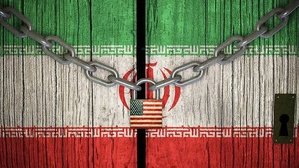
The latest United States sanctions on Iran mark a significant expansion of Washington's effort to restrict not only Tehran's own economic activity but also the foreign networks that keep Iranian trade moving. According to US officials, the new measures target nearly 60 individuals, companies and vessels connected to Iran's military procurement, oil exports, cyber activities and financial networks. At the same time, Washington has warned governments and businesses outside Iran that continued economic dealings with Tehran could expose them to further penalties.
The new campaign is important because it moves beyond the traditional model of directly sanctioning Iranian institutions. The United States is increasingly focusing on the intermediaries that allow Iran to sell oil, obtain restricted technology, transfer money and maintain commercial relationships despite existing restrictions. The strategy is designed to make cooperation with Iran more expensive for foreign companies and financial institutions, even when those entities are not themselves located in Iran.
The measures also come as the economic and security confrontation surrounding Iran remains unsettled. Shipping through the Strait of Hormuz has been severely disrupted, Iranian oil exports have fallen sharply, and diplomatic efforts to reduce tensions have not yet produced a comprehensive settlement. Against this background, the new sanctions are intended to increase pressure without relying exclusively on direct military action.
Washington Targets the Networks Behind Iranian Trade
The central change in the latest sanctions is the emphasis on networks rather than isolated Iranian entities. US authorities have identified companies, individuals and vessels across the Middle East and Asia that they say facilitate Iranian oil transactions, financial transfers and military procurement. This approach reflects the difficulty of cutting Iran out of international commerce through restrictions imposed only on institutions physically located inside the country.
Iran has spent years developing alternative commercial channels to operate under sanctions. These include intermediaries, offshore companies, shipping operators, financial conduits and other businesses capable of concealing the origin or destination of transactions. US sanctions policy is increasingly designed to identify those connections and threaten the foreign participants that make them possible.
The new measures also widen the range of activities that could create sanctions exposure. Transactions involving technology, gold, aviation, shipping and digital assets are now part of the broader pressure campaign. This matters because sanctions evasion is no longer limited to conventional banking arrangements or the direct sale of Iranian oil. Modern trade networks can move value through several industries and jurisdictions before it reaches its final destination.
The United States therefore appears to be targeting the infrastructure that supports Iranian trade rather than simply attempting to block individual transactions.
Secondary Sanctions Turn Iran's Partners Into Targets
The more consequential element of the campaign may be Washington's warning to Iran's trading partners. US officials have indicated that foreign governments and businesses could face penalties if they continue significant economic activity with Tehran. Such measures are commonly referred to as secondary sanctions because they can affect entities outside the United States for transactions involving a country already under US restrictions.
The threat creates a difficult choice for companies operating in countries that maintain commercial relationships with Iran. A business may have little or no direct connection with the United States, yet access to the American financial system can still be economically important. Losing that access can create far greater costs than the value of individual transactions with Iran.
This is why secondary sanctions can sometimes exert influence beyond the formal boundaries of US law. Banks, insurers, shipping companies and multinational corporations often become cautious about dealing with sanctioned markets because they must consider not only the immediate profitability of a transaction but also the potential consequences for their wider international operations.
The latest warnings therefore seek to change the calculations of foreign businesses before sanctions are imposed on them. Washington does not necessarily have to sanction every company involved in Iranian trade if the threat of future penalties causes enough businesses to withdraw voluntarily.
Oil Remains the Main Economic Pressure Point
Iranian oil remains at the centre of the campaign because petroleum exports are one of Tehran's most important sources of foreign currency. The United States has consequently targeted brokers, financial intermediaries, shipping companies and vessels that it says help move Iranian crude into international markets.
The designation of additional tankers connected to Iran's so-called shadow fleet is part of this effort. These vessels can be used to transport sanctioned oil while making ownership, insurance arrangements, cargo origins or destinations more difficult to trace. Targeting individual ships and their supporting networks is intended to raise the operational and financial cost of keeping Iranian oil exports moving.
Recent trade reports indicate that Iranian oil shipments to China have already been affected by stronger US pressure and disruption around the Strait of Hormuz. Chinese independent refiners have traditionally been important buyers of discounted Iranian crude, giving Tehran a major outlet despite sanctions. Any sustained reduction in those purchases would put additional pressure on Iran's foreign exchange earnings.
Yet oil sanctions also create a wider problem for Washington. China is a major participant in Iranian energy trade, and Beijing has made clear that it opposes unilateral US sanctions. A campaign that aggressively targets major Chinese companies or financial institutions could therefore transform an Iran sanctions dispute into a broader confrontation between the world's two largest economies.
Military Procurement Expands the Pressure Beyond Oil
The new sanctions also target networks that Washington says support Iran's nuclear, missile and military procurement activities. More than 20 of the latest designations involve actors in the Middle East and Asia that the US government says have supplied Iran with materials, technology or financial support.
The focus on dual-use goods is particularly important. Some technologies and industrial components can have legitimate civilian applications while also being incorporated into military systems. Monitoring such trade is therefore more complicated than simply banning clearly identifiable weapons.
The United States has already spent months targeting foreign procurement networks connected to Iranian military programs. Earlier measures focused on companies in China, Hong Kong and other jurisdictions that Washington said supplied equipment or helped finance Iranian military production. The latest actions extend that strategy rather than representing an entirely new sanctions policy.
This continuity suggests that Washington is trying to make Iran's existing procurement networks progressively harder to operate. The objective is not simply to prevent one shipment or sanction one company, but to increase the number of financial and logistical obstacles facing Iran's defence industry.
The effectiveness of the new sanctions will depend heavily on how Iran's major trading partners respond. China presents the clearest challenge because it remains Iran's most important buyer of oil. Beijing has previously resisted US attempts to impose sanctions on Chinese businesses involved in Iranian trade, creating a direct test of how far Washington can extend its economic pressure.
The United States has so far appeared cautious about targeting major Chinese financial institutions. That restraint is significant because sanctions against large banks could produce consequences well beyond the Iran issue. They could affect US-China trade negotiations, financial markets and the broader relationship between Washington and Beijing.
Other countries also face difficult choices. Iran maintains commercial connections with Turkey, the United Arab Emirates, Iraq, Oman, Pakistan and several Asian markets, although the scale and nature of those relationships vary considerably. Some businesses may reduce their exposure to Iran because they depend more heavily on access to US markets than on Iranian trade, while others may attempt to maintain business through alternative arrangements.
This makes enforcement a central part of the strategy. The United States can identify networks and announce sanctions, but the long-term effect will depend on whether foreign companies believe the cost of avoiding those sanctions is higher than the commercial benefit of continuing to work with Iran.
Sanctions Increase Pressure Without Resolving the Conflict
The latest measures demonstrate how economic pressure has become a central instrument of US policy toward Iran. By targeting oil revenue, financial channels, shipping, technology procurement and foreign intermediaries at the same time, Washington is attempting to make Iran's entire external economic system more difficult to sustain.
The approach may restrict Tehran's access to foreign currency and raise the cost of maintaining international trade. However, sanctions alone cannot guarantee political concessions. Iran has operated under extensive restrictions for years and has developed mechanisms to adapt to economic pressure, even though those mechanisms are costly and inefficient.
The deeper significance of the latest measures is therefore the attempt to make sanctions harder to evade by shifting pressure onto the countries and companies that keep Iranian commerce connected to the global economy. That strategy could substantially tighten the economic squeeze if major trading partners cooperate.
But if enforcement against foreign partners becomes too aggressive, the campaign could create new diplomatic disputes, particularly with China and other countries that reject Washington's unilateral sanctions policy. The challenge for the United States is consequently not only to increase pressure on Iran, but to do so without turning the effort to isolate Tehran into a wider conflict over international trade and financial access.
(Source:www.reuters.com)
The new campaign is important because it moves beyond the traditional model of directly sanctioning Iranian institutions. The United States is increasingly focusing on the intermediaries that allow Iran to sell oil, obtain restricted technology, transfer money and maintain commercial relationships despite existing restrictions. The strategy is designed to make cooperation with Iran more expensive for foreign companies and financial institutions, even when those entities are not themselves located in Iran.
The measures also come as the economic and security confrontation surrounding Iran remains unsettled. Shipping through the Strait of Hormuz has been severely disrupted, Iranian oil exports have fallen sharply, and diplomatic efforts to reduce tensions have not yet produced a comprehensive settlement. Against this background, the new sanctions are intended to increase pressure without relying exclusively on direct military action.
Washington Targets the Networks Behind Iranian Trade
The central change in the latest sanctions is the emphasis on networks rather than isolated Iranian entities. US authorities have identified companies, individuals and vessels across the Middle East and Asia that they say facilitate Iranian oil transactions, financial transfers and military procurement. This approach reflects the difficulty of cutting Iran out of international commerce through restrictions imposed only on institutions physically located inside the country.
Iran has spent years developing alternative commercial channels to operate under sanctions. These include intermediaries, offshore companies, shipping operators, financial conduits and other businesses capable of concealing the origin or destination of transactions. US sanctions policy is increasingly designed to identify those connections and threaten the foreign participants that make them possible.
The new measures also widen the range of activities that could create sanctions exposure. Transactions involving technology, gold, aviation, shipping and digital assets are now part of the broader pressure campaign. This matters because sanctions evasion is no longer limited to conventional banking arrangements or the direct sale of Iranian oil. Modern trade networks can move value through several industries and jurisdictions before it reaches its final destination.
The United States therefore appears to be targeting the infrastructure that supports Iranian trade rather than simply attempting to block individual transactions.
Secondary Sanctions Turn Iran's Partners Into Targets
The more consequential element of the campaign may be Washington's warning to Iran's trading partners. US officials have indicated that foreign governments and businesses could face penalties if they continue significant economic activity with Tehran. Such measures are commonly referred to as secondary sanctions because they can affect entities outside the United States for transactions involving a country already under US restrictions.
The threat creates a difficult choice for companies operating in countries that maintain commercial relationships with Iran. A business may have little or no direct connection with the United States, yet access to the American financial system can still be economically important. Losing that access can create far greater costs than the value of individual transactions with Iran.
This is why secondary sanctions can sometimes exert influence beyond the formal boundaries of US law. Banks, insurers, shipping companies and multinational corporations often become cautious about dealing with sanctioned markets because they must consider not only the immediate profitability of a transaction but also the potential consequences for their wider international operations.
The latest warnings therefore seek to change the calculations of foreign businesses before sanctions are imposed on them. Washington does not necessarily have to sanction every company involved in Iranian trade if the threat of future penalties causes enough businesses to withdraw voluntarily.
Oil Remains the Main Economic Pressure Point
Iranian oil remains at the centre of the campaign because petroleum exports are one of Tehran's most important sources of foreign currency. The United States has consequently targeted brokers, financial intermediaries, shipping companies and vessels that it says help move Iranian crude into international markets.
The designation of additional tankers connected to Iran's so-called shadow fleet is part of this effort. These vessels can be used to transport sanctioned oil while making ownership, insurance arrangements, cargo origins or destinations more difficult to trace. Targeting individual ships and their supporting networks is intended to raise the operational and financial cost of keeping Iranian oil exports moving.
Recent trade reports indicate that Iranian oil shipments to China have already been affected by stronger US pressure and disruption around the Strait of Hormuz. Chinese independent refiners have traditionally been important buyers of discounted Iranian crude, giving Tehran a major outlet despite sanctions. Any sustained reduction in those purchases would put additional pressure on Iran's foreign exchange earnings.
Yet oil sanctions also create a wider problem for Washington. China is a major participant in Iranian energy trade, and Beijing has made clear that it opposes unilateral US sanctions. A campaign that aggressively targets major Chinese companies or financial institutions could therefore transform an Iran sanctions dispute into a broader confrontation between the world's two largest economies.
Military Procurement Expands the Pressure Beyond Oil
The new sanctions also target networks that Washington says support Iran's nuclear, missile and military procurement activities. More than 20 of the latest designations involve actors in the Middle East and Asia that the US government says have supplied Iran with materials, technology or financial support.
The focus on dual-use goods is particularly important. Some technologies and industrial components can have legitimate civilian applications while also being incorporated into military systems. Monitoring such trade is therefore more complicated than simply banning clearly identifiable weapons.
The United States has already spent months targeting foreign procurement networks connected to Iranian military programs. Earlier measures focused on companies in China, Hong Kong and other jurisdictions that Washington said supplied equipment or helped finance Iranian military production. The latest actions extend that strategy rather than representing an entirely new sanctions policy.
This continuity suggests that Washington is trying to make Iran's existing procurement networks progressively harder to operate. The objective is not simply to prevent one shipment or sanction one company, but to increase the number of financial and logistical obstacles facing Iran's defence industry.
The effectiveness of the new sanctions will depend heavily on how Iran's major trading partners respond. China presents the clearest challenge because it remains Iran's most important buyer of oil. Beijing has previously resisted US attempts to impose sanctions on Chinese businesses involved in Iranian trade, creating a direct test of how far Washington can extend its economic pressure.
The United States has so far appeared cautious about targeting major Chinese financial institutions. That restraint is significant because sanctions against large banks could produce consequences well beyond the Iran issue. They could affect US-China trade negotiations, financial markets and the broader relationship between Washington and Beijing.
Other countries also face difficult choices. Iran maintains commercial connections with Turkey, the United Arab Emirates, Iraq, Oman, Pakistan and several Asian markets, although the scale and nature of those relationships vary considerably. Some businesses may reduce their exposure to Iran because they depend more heavily on access to US markets than on Iranian trade, while others may attempt to maintain business through alternative arrangements.
This makes enforcement a central part of the strategy. The United States can identify networks and announce sanctions, but the long-term effect will depend on whether foreign companies believe the cost of avoiding those sanctions is higher than the commercial benefit of continuing to work with Iran.
Sanctions Increase Pressure Without Resolving the Conflict
The latest measures demonstrate how economic pressure has become a central instrument of US policy toward Iran. By targeting oil revenue, financial channels, shipping, technology procurement and foreign intermediaries at the same time, Washington is attempting to make Iran's entire external economic system more difficult to sustain.
The approach may restrict Tehran's access to foreign currency and raise the cost of maintaining international trade. However, sanctions alone cannot guarantee political concessions. Iran has operated under extensive restrictions for years and has developed mechanisms to adapt to economic pressure, even though those mechanisms are costly and inefficient.
The deeper significance of the latest measures is therefore the attempt to make sanctions harder to evade by shifting pressure onto the countries and companies that keep Iranian commerce connected to the global economy. That strategy could substantially tighten the economic squeeze if major trading partners cooperate.
But if enforcement against foreign partners becomes too aggressive, the campaign could create new diplomatic disputes, particularly with China and other countries that reject Washington's unilateral sanctions policy. The challenge for the United States is consequently not only to increase pressure on Iran, but to do so without turning the effort to isolate Tehran into a wider conflict over international trade and financial access.
(Source:www.reuters.com)
