

Estimates from the analytical firm Rystad Energy suggest that the Middle East conflict will lead global LNG importers—dependent on long-term agreements and the spot market—to incur at least $39 billion additional costs in 2026, despite a decline in the physical volume of their purchases by 60.7 million tonnes.
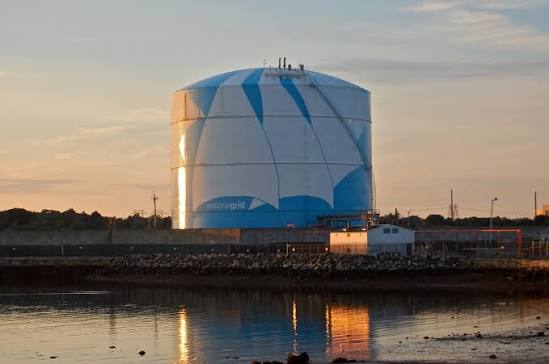
The situation in the Middle East has interrupted worldwide energy supplies, compelling countries to reconsider delivery paths and rely more on the spot market to compensate for reduced quantities.
Rystad Energy’s model predicts that LNG supplies from Qatar and the UAE won’t be accessible from March until the conclusion of 2026. In this situation, worldwide expenditure on liquefied natural gas is expected to increase from $217.8 billion (an estimate made before the conflict) to a minimum of $256.3 billion. Europe is projected to experience the largest rise in costs, with LNG spending increasing by at least $12 billion (an 18% boost, totaling $79 billion)—despite its demand for the fuel falling by 24 million tonnes.
Countries in East Asia enjoy a more advantageous stance. A portfolio of contracts that is more diverse—with suppliers situated beyond the Middle East—along with comparatively reduced demand for LNG, enables the region to effectively minimize the effects of supply interruptions from Qatar and the UAE. According to a report by Rystad Energy, their expenditure on LNG imports is projected to increase by 9.8% (reaching $104.6 billion) in comparison to the predictions made prior to the onset of the conflict.
source: reuters.com