


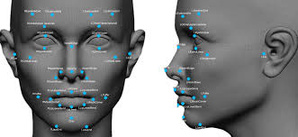
London’s accelerating use of live facial recognition technology is no longer simply a policing story about cameras and crime detection. It has evolved into a wider democratic debate over how modern societies define freedom, privacy and state authority in an era where artificial intelligence is rapidly transforming public surveillance. As police forces across the British capital expand biometric monitoring operations in transport hubs, shopping districts and public gathering spaces, London is increasingly emerging as a global case study in the growing tension between public security demands and civil liberty protections.
The debate surrounding facial recognition has intensified because the technology changes the very nature of public surveillance. Traditional CCTV systems merely recorded events for later review. Live facial recognition actively analyses identity in real time, allowing authorities to compare thousands of faces against police watchlists within seconds. Supporters argue this represents a necessary evolution in modern policing. Critics see it as the gradual normalisation of mass biometric monitoring in democratic societies.
What makes London particularly important in this debate is that Britain already possesses one of the world’s most deeply embedded surveillance cultures. The city’s extensive CCTV network has long been accepted as part of everyday urban life after decades shaped by terrorism threats, rising security concerns and expanding public monitoring infrastructure. Facial recognition, however, pushes surveillance into a far more controversial territory because it transforms observation into identification.
Policing Efficiency Collides With Civil Liberty Concerns
Police authorities insist facial recognition is proving highly effective in identifying dangerous offenders operating within crowded urban environments. Metropolitan Police officials have repeatedly linked the technology to arrests involving violent crime suspects, repeat offenders and individuals violating court-imposed restrictions. Law enforcement leaders argue that modern cities require faster and more technologically sophisticated policing tools because traditional investigative methods struggle against increasingly mobile criminal networks.
The security argument has gained political traction partly because major urban centres across Europe are facing rising concerns over knife crime, organised theft, sexual violence and public safety pressures. Supporters of facial recognition say the technology enables officers to identify suspects quickly in crowded areas where conventional policing would require extensive manpower and prolonged investigations. Police leaders frequently frame biometric surveillance as an extension of existing policing methods rather than a fundamental expansion of state power.
Yet critics argue that the real issue is not operational efficiency but democratic principle. Civil liberties organisations say live facial recognition fundamentally alters the relationship between citizens and the state because it subjects entire crowds to identity screening regardless of individual suspicion. In effect, opponents argue, the technology treats everyone moving through public space as a potential object of police examination.
That concern lies at the centre of the wider debate unfolding across democratic societies. Traditional legal systems in countries like Britain historically required some level of suspicion before authorities interfered with individual freedoms. Facial recognition reverses that logic by allowing police to analyse large populations first and determine relevance later. Campaigners warn this creates a surveillance model where anonymity in public life gradually disappears.
The debate has become especially sensitive in London because of the city’s political symbolism. As one of the world’s leading democratic and financial capitals, London has long projected itself as a place associated with political freedom, public assembly and open civic participation. Critics fear the growing normalisation of biometric surveillance risks undermining those democratic assumptions over time.
London’s Streets Become a Test Case for Democratic Surveillance
The wider international significance of London’s facial recognition expansion stems from the fact that governments across the world are now confronting similar technological choices. Artificial intelligence systems capable of instant biometric identification are developing rapidly, while security agencies increasingly argue that modern urban policing requires stronger digital surveillance capabilities.
London’s experience therefore offers an early indication of how democratic governments may attempt to balance security priorities with civil liberty protections during the next phase of technological policing. Supporters argue facial recognition can operate within democratic norms through oversight, targeted deployment and legal safeguards. Critics counter that surveillance systems almost always expand once governments become operationally dependent on them.
This tension became more visible after facial recognition deployments around protests and political demonstrations in London triggered backlash from civil liberties groups. Campaigners warned that the presence of biometric monitoring near public protests could discourage citizens from participating in democratic activity if they fear being permanently identified and tracked by authorities.
The controversy exposed a deeper anxiety surrounding facial recognition technology: the fear that surveillance systems introduced for public safety purposes may eventually reshape public behaviour itself. Critics argue citizens may begin altering where they travel, which demonstrations they attend or how freely they engage in political activity if they believe their movements are continuously monitored.
Supporters reject those concerns as exaggerated, arguing the technology targets only specific watchlists connected to legitimate policing objectives. Metropolitan Police officials have repeatedly emphasised that facial recognition systems are deployed under operational controls and that officers manually review alerts before taking enforcement action. Authorities also argue that the overwhelming majority of scanned biometric data is deleted almost immediately.
Still, privacy advocates insist the issue extends beyond operational safeguards. They argue facial recognition establishes a long-term infrastructure for state monitoring whose future uses may gradually expand. What begins as targeted policing can slowly evolve into broader forms of public surveillance as technology becomes cheaper, faster and more integrated into everyday governance systems.
Artificial Intelligence Deepens the Political Divide Over Surveillance
The facial recognition debate is increasingly tied to larger concerns about artificial intelligence and the growing power of automated decision-making systems in democratic societies. Modern facial recognition tools are no longer isolated camera technologies; they are becoming part of wider digital ecosystems capable of combining biometric data with behavioural analysis, predictive policing models and large-scale monitoring networks.
Technology firms developing these systems continue improving identification speed, image processing and real-time analytics capabilities. Security agencies argue such tools are essential in an era where urban crime networks operate with increasing sophistication across transport systems, digital platforms and international borders. Governments facing pressure to improve policing efficiency are therefore becoming more willing to embrace AI-driven surveillance technologies.
At the same time, democratic institutions are struggling to establish clear legal frameworks governing how such systems should operate. Britain currently lacks a comprehensive standalone law specifically regulating live facial recognition policing, leaving authorities to rely on overlapping surveillance rules, court interpretations and operational guidance. Civil liberties groups argue that technological capability is advancing faster than democratic accountability mechanisms.
The international divide over facial recognition illustrates how politically sensitive the issue has become. Several American cities have imposed restrictions or bans on police facial recognition systems because of privacy and discrimination concerns. European regulators continue debating tighter controls over biometric surveillance under proposed artificial intelligence legislation. Meanwhile, more authoritarian governments have expanded facial recognition aggressively as part of broader state monitoring programmes.
London now sits at the centre of that global debate because Britain is attempting to pursue a middle path — expanding facial recognition while insisting it can coexist with democratic safeguards. Whether that balance proves sustainable may influence how other democracies approach surveillance technologies in the years ahead.
The argument unfolding across London’s streets is therefore no longer merely about policing tactics or crime prevention tools. It has become a defining debate over the future boundaries of democratic power in digitally monitored societies. As artificial intelligence reshapes the capabilities of modern governments, London is increasingly functioning as a live experiment in how far democracies are willing to allow surveillance systems to penetrate everyday public life.
(Source:www.tradingview.com)
The debate surrounding facial recognition has intensified because the technology changes the very nature of public surveillance. Traditional CCTV systems merely recorded events for later review. Live facial recognition actively analyses identity in real time, allowing authorities to compare thousands of faces against police watchlists within seconds. Supporters argue this represents a necessary evolution in modern policing. Critics see it as the gradual normalisation of mass biometric monitoring in democratic societies.
What makes London particularly important in this debate is that Britain already possesses one of the world’s most deeply embedded surveillance cultures. The city’s extensive CCTV network has long been accepted as part of everyday urban life after decades shaped by terrorism threats, rising security concerns and expanding public monitoring infrastructure. Facial recognition, however, pushes surveillance into a far more controversial territory because it transforms observation into identification.
Policing Efficiency Collides With Civil Liberty Concerns
Police authorities insist facial recognition is proving highly effective in identifying dangerous offenders operating within crowded urban environments. Metropolitan Police officials have repeatedly linked the technology to arrests involving violent crime suspects, repeat offenders and individuals violating court-imposed restrictions. Law enforcement leaders argue that modern cities require faster and more technologically sophisticated policing tools because traditional investigative methods struggle against increasingly mobile criminal networks.
The security argument has gained political traction partly because major urban centres across Europe are facing rising concerns over knife crime, organised theft, sexual violence and public safety pressures. Supporters of facial recognition say the technology enables officers to identify suspects quickly in crowded areas where conventional policing would require extensive manpower and prolonged investigations. Police leaders frequently frame biometric surveillance as an extension of existing policing methods rather than a fundamental expansion of state power.
Yet critics argue that the real issue is not operational efficiency but democratic principle. Civil liberties organisations say live facial recognition fundamentally alters the relationship between citizens and the state because it subjects entire crowds to identity screening regardless of individual suspicion. In effect, opponents argue, the technology treats everyone moving through public space as a potential object of police examination.
That concern lies at the centre of the wider debate unfolding across democratic societies. Traditional legal systems in countries like Britain historically required some level of suspicion before authorities interfered with individual freedoms. Facial recognition reverses that logic by allowing police to analyse large populations first and determine relevance later. Campaigners warn this creates a surveillance model where anonymity in public life gradually disappears.
The debate has become especially sensitive in London because of the city’s political symbolism. As one of the world’s leading democratic and financial capitals, London has long projected itself as a place associated with political freedom, public assembly and open civic participation. Critics fear the growing normalisation of biometric surveillance risks undermining those democratic assumptions over time.
London’s Streets Become a Test Case for Democratic Surveillance
The wider international significance of London’s facial recognition expansion stems from the fact that governments across the world are now confronting similar technological choices. Artificial intelligence systems capable of instant biometric identification are developing rapidly, while security agencies increasingly argue that modern urban policing requires stronger digital surveillance capabilities.
London’s experience therefore offers an early indication of how democratic governments may attempt to balance security priorities with civil liberty protections during the next phase of technological policing. Supporters argue facial recognition can operate within democratic norms through oversight, targeted deployment and legal safeguards. Critics counter that surveillance systems almost always expand once governments become operationally dependent on them.
This tension became more visible after facial recognition deployments around protests and political demonstrations in London triggered backlash from civil liberties groups. Campaigners warned that the presence of biometric monitoring near public protests could discourage citizens from participating in democratic activity if they fear being permanently identified and tracked by authorities.
The controversy exposed a deeper anxiety surrounding facial recognition technology: the fear that surveillance systems introduced for public safety purposes may eventually reshape public behaviour itself. Critics argue citizens may begin altering where they travel, which demonstrations they attend or how freely they engage in political activity if they believe their movements are continuously monitored.
Supporters reject those concerns as exaggerated, arguing the technology targets only specific watchlists connected to legitimate policing objectives. Metropolitan Police officials have repeatedly emphasised that facial recognition systems are deployed under operational controls and that officers manually review alerts before taking enforcement action. Authorities also argue that the overwhelming majority of scanned biometric data is deleted almost immediately.
Still, privacy advocates insist the issue extends beyond operational safeguards. They argue facial recognition establishes a long-term infrastructure for state monitoring whose future uses may gradually expand. What begins as targeted policing can slowly evolve into broader forms of public surveillance as technology becomes cheaper, faster and more integrated into everyday governance systems.
Artificial Intelligence Deepens the Political Divide Over Surveillance
The facial recognition debate is increasingly tied to larger concerns about artificial intelligence and the growing power of automated decision-making systems in democratic societies. Modern facial recognition tools are no longer isolated camera technologies; they are becoming part of wider digital ecosystems capable of combining biometric data with behavioural analysis, predictive policing models and large-scale monitoring networks.
Technology firms developing these systems continue improving identification speed, image processing and real-time analytics capabilities. Security agencies argue such tools are essential in an era where urban crime networks operate with increasing sophistication across transport systems, digital platforms and international borders. Governments facing pressure to improve policing efficiency are therefore becoming more willing to embrace AI-driven surveillance technologies.
At the same time, democratic institutions are struggling to establish clear legal frameworks governing how such systems should operate. Britain currently lacks a comprehensive standalone law specifically regulating live facial recognition policing, leaving authorities to rely on overlapping surveillance rules, court interpretations and operational guidance. Civil liberties groups argue that technological capability is advancing faster than democratic accountability mechanisms.
The international divide over facial recognition illustrates how politically sensitive the issue has become. Several American cities have imposed restrictions or bans on police facial recognition systems because of privacy and discrimination concerns. European regulators continue debating tighter controls over biometric surveillance under proposed artificial intelligence legislation. Meanwhile, more authoritarian governments have expanded facial recognition aggressively as part of broader state monitoring programmes.
London now sits at the centre of that global debate because Britain is attempting to pursue a middle path — expanding facial recognition while insisting it can coexist with democratic safeguards. Whether that balance proves sustainable may influence how other democracies approach surveillance technologies in the years ahead.
The argument unfolding across London’s streets is therefore no longer merely about policing tactics or crime prevention tools. It has become a defining debate over the future boundaries of democratic power in digitally monitored societies. As artificial intelligence reshapes the capabilities of modern governments, London is increasingly functioning as a live experiment in how far democracies are willing to allow surveillance systems to penetrate everyday public life.
(Source:www.tradingview.com)
