


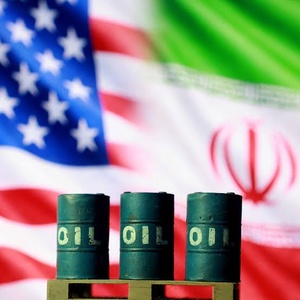
The United States decision to grant broad sanctions waivers covering Iranian oil exports marks one of the most significant economic developments to emerge from the latest phase of negotiations between Washington and Tehran. While the move is officially framed as a temporary measure linked to ongoing diplomatic efforts, its implications extend well beyond short-term trade flows. The waivers effectively reopen parts of Iran's most important economic sector and provide insight into how both sides are attempting to use economic incentives to support a fragile political process.
For decades, oil sanctions have been among the most powerful tools used by successive American administrations to pressure Iran. Restrictions on exports, banking transactions, shipping operations and dollar-denominated trade significantly reduced Tehran's ability to monetize its vast energy resources. The latest exemptions represent a substantial departure from that approach, allowing a level of access to global energy markets that Iran has not enjoyed for many years.
The timing of the decision is equally important. The waivers come amid efforts to transform a temporary understanding between the two countries into a broader and potentially more durable agreement. Rather than relying exclusively on diplomatic promises, negotiators appear to be using economic benefits as a mechanism to encourage continued engagement. By providing Iran with access to billions of dollars in potential oil revenue, Washington is effectively creating a financial incentive for negotiations to continue.
The move also reflects a wider recognition that economic considerations are inseparable from geopolitical negotiations in the Middle East. Energy exports remain the backbone of Iran's economy, and any meaningful discussion regarding long-term stability inevitably involves questions surrounding oil production, international trade and access to financial markets. The latest waivers therefore represent more than a technical adjustment to sanctions policy; they reveal how economic leverage is being deployed as a central component of diplomatic strategy.
Why Oil Remains Iran's Most Important Economic Asset
Iran possesses some of the world's largest proven oil and natural gas reserves, making energy exports a critical source of government revenue and foreign currency earnings. For decades, the country's economic fortunes have been closely tied to its ability to produce and sell hydrocarbons to international markets. When sanctions tightened, the impact was felt across multiple sectors of the economy, reducing government income, limiting investment and complicating trade relationships.
The importance of oil extends beyond simple revenue generation. Energy exports influence Iran's ability to finance infrastructure projects, support domestic industries and maintain economic stability. As a result, sanctions targeting the oil sector have historically been among the most effective forms of economic pressure. Restricting access to buyers, financial networks and shipping services significantly reduced Tehran's flexibility in global markets.
The new waivers alter that equation by allowing broader participation in transactions involving Iranian crude oil, petroleum products and petrochemicals. The authorization of dollar-denominated transactions is particularly significant because the U.S. currency remains the dominant medium for international energy trade. Access to dollar clearing mechanisms can reduce transaction costs, simplify settlement procedures and increase the attractiveness of Iranian oil for buyers.
Equally important is the potential release of oil inventories that accumulated while sanctions constrained exports. Stored crude represents revenue that has effectively remained locked away. If those barrels can be sold into international markets under the temporary exemptions, the resulting cash flow could provide a substantial economic boost during a period when Iran is seeking to rebuild confidence in its economy and strengthen its negotiating position.
How Economic Incentives Support Diplomacy
The latest sanctions relief highlights an increasingly common feature of international negotiations: the use of economic incentives alongside political commitments. Diplomatic agreements often struggle when one side is asked to make concessions without receiving visible benefits in return. Economic measures can help bridge that gap by demonstrating immediate gains while broader negotiations continue.
In this case, the waivers provide Iran with tangible benefits before a final agreement has been reached. Such an approach reflects the belief that economic rewards can encourage continued cooperation and reduce the likelihood of negotiations collapsing. Rather than waiting for a comprehensive settlement, policymakers appear to be pursuing a phased strategy in which progress is rewarded incrementally.
This approach is not without risks. Critics often argue that sanctions relief should only follow concrete commitments and verifiable outcomes. Supporters counter that diplomacy frequently requires confidence-building measures capable of sustaining momentum during complex negotiations. The current policy appears to reflect the latter view, using limited sanctions relief as a means of reinforcing diplomatic engagement.
The significance of this strategy extends beyond the immediate negotiations. If successful, it could provide a framework for future discussions involving economic normalization, trade cooperation and broader regional stability. The use of economic incentives demonstrates how financial tools can function not merely as instruments of pressure but also as mechanisms for encouraging dialogue and reducing tensions.
At the same time, the temporary nature of the waivers preserves leverage. Because the exemptions are limited in duration, both sides remain aware that economic benefits depend on continued progress. This creates a form of conditional engagement in which access to markets becomes linked to diplomatic outcomes.
China Emerges as a Central Player
Any discussion regarding Iranian oil exports inevitably involves China, which has become the dominant destination for Iranian crude shipments. Over recent years, Chinese refiners played a critical role in sustaining demand for Iranian oil despite sanctions-related challenges. The latest waivers could strengthen that relationship further by reducing obstacles associated with payment mechanisms and financial transactions.
Previously, buyers often relied on complex arrangements involving intermediaries, alternative payment systems and indirect trading channels. These methods increased costs and introduced additional risks. The authorization of broader transactions has the potential to simplify purchasing arrangements and encourage greater participation from buyers seeking legal and operational clarity.
China's role is important not only because of current import volumes but also because of its influence on global energy markets. Any increase in purchases of Iranian crude could affect regional trade flows, pricing dynamics and competition among suppliers. Energy markets are highly interconnected, meaning changes in one trading relationship can influence decisions across multiple countries.
Market participants are therefore closely monitoring how quickly buyers respond to the new framework. Some may move rapidly to secure supplies, while others could adopt a more cautious approach pending internal reviews and assessments of regulatory requirements. The pace at which transactions increase may provide an early indication of how effective the waivers prove in unlocking additional trade.
The broader significance lies in the fact that energy diplomacy increasingly intersects with shifting global economic relationships. As Asian economies continue accounting for a growing share of global energy demand, their purchasing decisions play an increasingly important role in determining the success of export-oriented energy policies.
Implications for Global Oil Markets
The sanctions waivers arrive at a time when energy markets remain sensitive to geopolitical developments, supply disruptions and changing demand patterns. Any increase in Iranian exports has the potential to influence global balances between supply and consumption, particularly if substantial volumes reach international markets within a relatively short period.
Additional Iranian crude could contribute to greater market flexibility by increasing available supply. This may help offset disruptions elsewhere or reduce pressure on prices during periods of heightened uncertainty. However, the ultimate impact will depend on how much oil enters the market, how quickly transactions occur and whether buyers view the waivers as sufficiently reliable to support long-term purchasing decisions.
Pricing dynamics may also evolve. Iranian crude has frequently traded at discounts compared with benchmark grades because sanctions-related risks reduced the pool of potential buyers. Changes in market access could alter those relationships if demand strengthens and transaction costs decline. Such developments would increase the value of each exported barrel and potentially amplify the economic benefits generated by the waivers.
Another important consideration involves investment. Energy infrastructure requires ongoing maintenance and development, particularly after periods of restricted activity. Increased revenue could provide resources for repairs, upgrades and operational improvements that strengthen production capacity over time. While the current waivers are temporary, even short-term financial relief can influence planning decisions within the energy sector.
The response of oil markets will therefore be shaped by both immediate trading activity and longer-term expectations regarding future diplomatic progress.
A Test of Economic Statecraft
The latest sanctions waivers ultimately represent a test of economic statecraft. For years, sanctions were primarily viewed as instruments designed to impose costs and restrict economic activity. The current approach demonstrates a different use of economic policy, one focused on creating incentives and supporting diplomatic objectives.
Whether the strategy succeeds will depend on multiple factors, including the progress of negotiations, the response of energy markets and the willingness of participants to engage under the temporary framework. What is already clear, however, is that the waivers have altered the economic landscape surrounding the talks. By reopening access to a critical revenue source, Washington has introduced a powerful financial dimension into an already complex diplomatic process.
The decision underscores the enduring importance of energy economics in international relations. Oil remains not only a commodity but also a strategic asset capable of influencing negotiations, shaping alliances and affecting regional stability. As discussions between the United States and Iran continue, the economic opportunities created by the waivers may prove just as important as the political commitments being negotiated around them.
The coming months will reveal whether access to expanded oil revenues can help sustain diplomatic momentum. Regardless of the outcome, the decision demonstrates how economic policy has become one of the most influential tools in efforts to manage geopolitical tensions and pursue long-term stability in a region that remains central to global energy markets.
(Source:www.financialpost.com)
For decades, oil sanctions have been among the most powerful tools used by successive American administrations to pressure Iran. Restrictions on exports, banking transactions, shipping operations and dollar-denominated trade significantly reduced Tehran's ability to monetize its vast energy resources. The latest exemptions represent a substantial departure from that approach, allowing a level of access to global energy markets that Iran has not enjoyed for many years.
The timing of the decision is equally important. The waivers come amid efforts to transform a temporary understanding between the two countries into a broader and potentially more durable agreement. Rather than relying exclusively on diplomatic promises, negotiators appear to be using economic benefits as a mechanism to encourage continued engagement. By providing Iran with access to billions of dollars in potential oil revenue, Washington is effectively creating a financial incentive for negotiations to continue.
The move also reflects a wider recognition that economic considerations are inseparable from geopolitical negotiations in the Middle East. Energy exports remain the backbone of Iran's economy, and any meaningful discussion regarding long-term stability inevitably involves questions surrounding oil production, international trade and access to financial markets. The latest waivers therefore represent more than a technical adjustment to sanctions policy; they reveal how economic leverage is being deployed as a central component of diplomatic strategy.
Why Oil Remains Iran's Most Important Economic Asset
Iran possesses some of the world's largest proven oil and natural gas reserves, making energy exports a critical source of government revenue and foreign currency earnings. For decades, the country's economic fortunes have been closely tied to its ability to produce and sell hydrocarbons to international markets. When sanctions tightened, the impact was felt across multiple sectors of the economy, reducing government income, limiting investment and complicating trade relationships.
The importance of oil extends beyond simple revenue generation. Energy exports influence Iran's ability to finance infrastructure projects, support domestic industries and maintain economic stability. As a result, sanctions targeting the oil sector have historically been among the most effective forms of economic pressure. Restricting access to buyers, financial networks and shipping services significantly reduced Tehran's flexibility in global markets.
The new waivers alter that equation by allowing broader participation in transactions involving Iranian crude oil, petroleum products and petrochemicals. The authorization of dollar-denominated transactions is particularly significant because the U.S. currency remains the dominant medium for international energy trade. Access to dollar clearing mechanisms can reduce transaction costs, simplify settlement procedures and increase the attractiveness of Iranian oil for buyers.
Equally important is the potential release of oil inventories that accumulated while sanctions constrained exports. Stored crude represents revenue that has effectively remained locked away. If those barrels can be sold into international markets under the temporary exemptions, the resulting cash flow could provide a substantial economic boost during a period when Iran is seeking to rebuild confidence in its economy and strengthen its negotiating position.
How Economic Incentives Support Diplomacy
The latest sanctions relief highlights an increasingly common feature of international negotiations: the use of economic incentives alongside political commitments. Diplomatic agreements often struggle when one side is asked to make concessions without receiving visible benefits in return. Economic measures can help bridge that gap by demonstrating immediate gains while broader negotiations continue.
In this case, the waivers provide Iran with tangible benefits before a final agreement has been reached. Such an approach reflects the belief that economic rewards can encourage continued cooperation and reduce the likelihood of negotiations collapsing. Rather than waiting for a comprehensive settlement, policymakers appear to be pursuing a phased strategy in which progress is rewarded incrementally.
This approach is not without risks. Critics often argue that sanctions relief should only follow concrete commitments and verifiable outcomes. Supporters counter that diplomacy frequently requires confidence-building measures capable of sustaining momentum during complex negotiations. The current policy appears to reflect the latter view, using limited sanctions relief as a means of reinforcing diplomatic engagement.
The significance of this strategy extends beyond the immediate negotiations. If successful, it could provide a framework for future discussions involving economic normalization, trade cooperation and broader regional stability. The use of economic incentives demonstrates how financial tools can function not merely as instruments of pressure but also as mechanisms for encouraging dialogue and reducing tensions.
At the same time, the temporary nature of the waivers preserves leverage. Because the exemptions are limited in duration, both sides remain aware that economic benefits depend on continued progress. This creates a form of conditional engagement in which access to markets becomes linked to diplomatic outcomes.
China Emerges as a Central Player
Any discussion regarding Iranian oil exports inevitably involves China, which has become the dominant destination for Iranian crude shipments. Over recent years, Chinese refiners played a critical role in sustaining demand for Iranian oil despite sanctions-related challenges. The latest waivers could strengthen that relationship further by reducing obstacles associated with payment mechanisms and financial transactions.
Previously, buyers often relied on complex arrangements involving intermediaries, alternative payment systems and indirect trading channels. These methods increased costs and introduced additional risks. The authorization of broader transactions has the potential to simplify purchasing arrangements and encourage greater participation from buyers seeking legal and operational clarity.
China's role is important not only because of current import volumes but also because of its influence on global energy markets. Any increase in purchases of Iranian crude could affect regional trade flows, pricing dynamics and competition among suppliers. Energy markets are highly interconnected, meaning changes in one trading relationship can influence decisions across multiple countries.
Market participants are therefore closely monitoring how quickly buyers respond to the new framework. Some may move rapidly to secure supplies, while others could adopt a more cautious approach pending internal reviews and assessments of regulatory requirements. The pace at which transactions increase may provide an early indication of how effective the waivers prove in unlocking additional trade.
The broader significance lies in the fact that energy diplomacy increasingly intersects with shifting global economic relationships. As Asian economies continue accounting for a growing share of global energy demand, their purchasing decisions play an increasingly important role in determining the success of export-oriented energy policies.
Implications for Global Oil Markets
The sanctions waivers arrive at a time when energy markets remain sensitive to geopolitical developments, supply disruptions and changing demand patterns. Any increase in Iranian exports has the potential to influence global balances between supply and consumption, particularly if substantial volumes reach international markets within a relatively short period.
Additional Iranian crude could contribute to greater market flexibility by increasing available supply. This may help offset disruptions elsewhere or reduce pressure on prices during periods of heightened uncertainty. However, the ultimate impact will depend on how much oil enters the market, how quickly transactions occur and whether buyers view the waivers as sufficiently reliable to support long-term purchasing decisions.
Pricing dynamics may also evolve. Iranian crude has frequently traded at discounts compared with benchmark grades because sanctions-related risks reduced the pool of potential buyers. Changes in market access could alter those relationships if demand strengthens and transaction costs decline. Such developments would increase the value of each exported barrel and potentially amplify the economic benefits generated by the waivers.
Another important consideration involves investment. Energy infrastructure requires ongoing maintenance and development, particularly after periods of restricted activity. Increased revenue could provide resources for repairs, upgrades and operational improvements that strengthen production capacity over time. While the current waivers are temporary, even short-term financial relief can influence planning decisions within the energy sector.
The response of oil markets will therefore be shaped by both immediate trading activity and longer-term expectations regarding future diplomatic progress.
A Test of Economic Statecraft
The latest sanctions waivers ultimately represent a test of economic statecraft. For years, sanctions were primarily viewed as instruments designed to impose costs and restrict economic activity. The current approach demonstrates a different use of economic policy, one focused on creating incentives and supporting diplomatic objectives.
Whether the strategy succeeds will depend on multiple factors, including the progress of negotiations, the response of energy markets and the willingness of participants to engage under the temporary framework. What is already clear, however, is that the waivers have altered the economic landscape surrounding the talks. By reopening access to a critical revenue source, Washington has introduced a powerful financial dimension into an already complex diplomatic process.
The decision underscores the enduring importance of energy economics in international relations. Oil remains not only a commodity but also a strategic asset capable of influencing negotiations, shaping alliances and affecting regional stability. As discussions between the United States and Iran continue, the economic opportunities created by the waivers may prove just as important as the political commitments being negotiated around them.
The coming months will reveal whether access to expanded oil revenues can help sustain diplomatic momentum. Regardless of the outcome, the decision demonstrates how economic policy has become one of the most influential tools in efforts to manage geopolitical tensions and pursue long-term stability in a region that remains central to global energy markets.
(Source:www.financialpost.com)
