


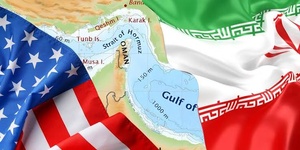
Iran's latest statement that an arrangement for shipping through the Strait of Hormuz is in its final stages marks a significant development in the effort to end one of the most damaging consequences of the conflict. The progress suggests that the technical question of how commercial vessels could resume passage is moving closer to resolution. But the political question of whether the waterway will actually reopen remains tied to the much harder confrontation between Iran and the United States.
Oman is central to this process because of its role as an intermediary between Tehran and Washington. The emerging shipping arrangement should therefore not be interpreted as a conventional bilateral settlement between Iran and Oman. Rather, it is part of a mediation process in which Oman has helped address the practical question of maritime traffic while broader messages and demands continue to pass between Iran and the United States through intermediaries.
Iranian Foreign Minister Abbas Araqchi has said that the arrangement concerning the strait is in its final stages. The proposed framework would establish the shipping lanes to be used if the waterway is reopened. Yet Tehran has simultaneously made clear that completing this mechanism does not mean that commercial shipping will immediately resume. That distinction explains both the significance and the limitation of the latest progress.
The technical problem is closer to a solution
The immediate importance of the Oman channel is that it has helped move the discussion from the broad question of whether Hormuz can reopen to the more specific question of how shipping could operate once conditions allow it.
The two sides have been working on the route and its geographical coordinates, with Iran indicating that important elements have already been agreed. This is a considerably more advanced stage than earlier discussions, when disagreement existed over the structure of the proposed shipping system and the degree of control Iran should retain.
That progress matters because Hormuz cannot simply be declared open without establishing a system that commercial operators can understand and use. Tankers and other vessels require predictable routes, clear navigation procedures and sufficient security assurances before they can resume normal operations.
The emerging arrangement could therefore provide the operational framework needed for reopening. It does not, however, settle the political dispute that caused the waterway to become a central battleground in the first place. That is where the role of Oman becomes particularly important. Muscat can help bridge the practical and diplomatic gaps, but it cannot impose a settlement on either Tehran or Washington.
The real obstacle is now between Tehran and Washington
Iran's latest position makes clear that the remaining obstacle is not simply the completion of the shipping arrangement. Tehran says the United States must take further steps before Hormuz can be fully reopened. Iranian officials have raised demands involving compensation for wartime damage, the lifting of sanctions and restrictions, the removal of the blockade affecting Iranian shipping, the release of Iranian assets and an end to what Tehran describes as American threats and aggression.
Those demands fundamentally change the meaning of the Hormuz negotiations. Iran is not treating the reopening of the waterway as an isolated maritime decision. It is linking access to one of the world's most important shipping routes to the broader terms of the conflict with Washington. This gives Tehran considerable bargaining leverage. The United States wants the restoration of unrestricted commercial navigation because disruption of Hormuz has consequences far beyond the immediate region. Iran, meanwhile, has an opportunity to use the waterway as leverage to seek concessions on issues that go well beyond maritime security.
The two sides therefore face a classic sequencing problem. Washington wants guarantees that shipping will resume. Tehran wants guarantees that American pressure will be reduced before it gives up the leverage provided by continued restrictions on the waterway.
Oman's mediation has limits
Oman's position is particularly delicate because it is simultaneously involved in the practical maritime discussion and serves as an important channel between Iran and the United States. That does not mean Muscat controls the negotiations. Its value lies in its ability to maintain communication when direct contact between Tehran and Washington remains politically difficult.
Iran has said that it is not engaged in direct negotiations with the United States and that messages are being exchanged through intermediaries. This makes Oman's role more important because the mediator can carry proposals, clarify positions and help prevent misunderstandings without requiring the two adversaries to sit down together.
But mediation can only narrow differences. It cannot eliminate them. The latest developments demonstrate that distinction clearly. Oman appears to have helped bring the maritime mechanism close to completion, yet the final decision on reopening Hormuz remains dependent on issues that are outside Oman's control.
This also explains why the apparent progress should not be mistaken for a comprehensive peace agreement. A shipping arrangement can establish the conditions for maritime traffic without resolving disputes over sanctions, military action, compensation or the wider security order.
Hormuz has become a bargaining instrument
The strategic importance of the strait explains why neither side is willing to separate the maritime issue completely from the wider conflict. Hormuz is one of the world's most important energy chokepoints. A prolonged disruption affects oil and gas shipments, shipping insurance, freight costs and the risk calculations of companies operating throughout the Gulf. The uncertainty can therefore influence global energy markets even before a complete physical closure occurs.
For Iran, control over maritime access provides a form of leverage that is difficult to replicate elsewhere. Tehran can use the possibility of continued disruption to increase pressure on Washington while presenting the shipping arrangement as evidence that it is willing to facilitate commercial traffic under acceptable conditions. For the United States, accepting excessive Iranian control over the waterway could create a different strategic problem. Washington has consistently emphasised freedom of navigation and is unlikely to want a system in which Iran can exercise broad discretionary authority over international commercial shipping.
The disagreement is consequently not just about reopening a route. It is about what rules will govern that route after the conflict.
A near agreement does not mean an immediate reopening
The significance of the latest development lies precisely in this distinction. The mediation process appears to have brought the parties close to solving the practical question of how shipping could move through Hormuz. But the political conditions required to activate that arrangement remain unsettled.
That creates both an opportunity and a risk. If Washington and Tehran can use the existing mediation channels to agree on the conditions attached to reopening, the nearly completed maritime mechanism could provide an immediate pathway towards restoring commercial traffic. The shipping question would no longer require a completely new negotiating framework.
But if the United States rejects Iran's conditions and Tehran refuses to reopen the strait without them, the technical progress with Oman could remain suspended. The route could be agreed on paper while commercial vessels continue to face uncertainty over when and under what conditions they can safely pass.
That is why the latest announcement is important without being definitive. The hardest part of the process may no longer be designing a route through Hormuz. It may be persuading Iran and the United States to agree on the political terms under which that route can actually be used. Oman's mediation has brought the maritime issue closer to a practical solution. The next breakthrough, however, will have to come from the larger Iran-US confrontation that lies behind it.
(Source:www.nbcnews.com)
Oman is central to this process because of its role as an intermediary between Tehran and Washington. The emerging shipping arrangement should therefore not be interpreted as a conventional bilateral settlement between Iran and Oman. Rather, it is part of a mediation process in which Oman has helped address the practical question of maritime traffic while broader messages and demands continue to pass between Iran and the United States through intermediaries.
Iranian Foreign Minister Abbas Araqchi has said that the arrangement concerning the strait is in its final stages. The proposed framework would establish the shipping lanes to be used if the waterway is reopened. Yet Tehran has simultaneously made clear that completing this mechanism does not mean that commercial shipping will immediately resume. That distinction explains both the significance and the limitation of the latest progress.
The technical problem is closer to a solution
The immediate importance of the Oman channel is that it has helped move the discussion from the broad question of whether Hormuz can reopen to the more specific question of how shipping could operate once conditions allow it.
The two sides have been working on the route and its geographical coordinates, with Iran indicating that important elements have already been agreed. This is a considerably more advanced stage than earlier discussions, when disagreement existed over the structure of the proposed shipping system and the degree of control Iran should retain.
That progress matters because Hormuz cannot simply be declared open without establishing a system that commercial operators can understand and use. Tankers and other vessels require predictable routes, clear navigation procedures and sufficient security assurances before they can resume normal operations.
The emerging arrangement could therefore provide the operational framework needed for reopening. It does not, however, settle the political dispute that caused the waterway to become a central battleground in the first place. That is where the role of Oman becomes particularly important. Muscat can help bridge the practical and diplomatic gaps, but it cannot impose a settlement on either Tehran or Washington.
The real obstacle is now between Tehran and Washington
Iran's latest position makes clear that the remaining obstacle is not simply the completion of the shipping arrangement. Tehran says the United States must take further steps before Hormuz can be fully reopened. Iranian officials have raised demands involving compensation for wartime damage, the lifting of sanctions and restrictions, the removal of the blockade affecting Iranian shipping, the release of Iranian assets and an end to what Tehran describes as American threats and aggression.
Those demands fundamentally change the meaning of the Hormuz negotiations. Iran is not treating the reopening of the waterway as an isolated maritime decision. It is linking access to one of the world's most important shipping routes to the broader terms of the conflict with Washington. This gives Tehran considerable bargaining leverage. The United States wants the restoration of unrestricted commercial navigation because disruption of Hormuz has consequences far beyond the immediate region. Iran, meanwhile, has an opportunity to use the waterway as leverage to seek concessions on issues that go well beyond maritime security.
The two sides therefore face a classic sequencing problem. Washington wants guarantees that shipping will resume. Tehran wants guarantees that American pressure will be reduced before it gives up the leverage provided by continued restrictions on the waterway.
Oman's mediation has limits
Oman's position is particularly delicate because it is simultaneously involved in the practical maritime discussion and serves as an important channel between Iran and the United States. That does not mean Muscat controls the negotiations. Its value lies in its ability to maintain communication when direct contact between Tehran and Washington remains politically difficult.
Iran has said that it is not engaged in direct negotiations with the United States and that messages are being exchanged through intermediaries. This makes Oman's role more important because the mediator can carry proposals, clarify positions and help prevent misunderstandings without requiring the two adversaries to sit down together.
But mediation can only narrow differences. It cannot eliminate them. The latest developments demonstrate that distinction clearly. Oman appears to have helped bring the maritime mechanism close to completion, yet the final decision on reopening Hormuz remains dependent on issues that are outside Oman's control.
This also explains why the apparent progress should not be mistaken for a comprehensive peace agreement. A shipping arrangement can establish the conditions for maritime traffic without resolving disputes over sanctions, military action, compensation or the wider security order.
Hormuz has become a bargaining instrument
The strategic importance of the strait explains why neither side is willing to separate the maritime issue completely from the wider conflict. Hormuz is one of the world's most important energy chokepoints. A prolonged disruption affects oil and gas shipments, shipping insurance, freight costs and the risk calculations of companies operating throughout the Gulf. The uncertainty can therefore influence global energy markets even before a complete physical closure occurs.
For Iran, control over maritime access provides a form of leverage that is difficult to replicate elsewhere. Tehran can use the possibility of continued disruption to increase pressure on Washington while presenting the shipping arrangement as evidence that it is willing to facilitate commercial traffic under acceptable conditions. For the United States, accepting excessive Iranian control over the waterway could create a different strategic problem. Washington has consistently emphasised freedom of navigation and is unlikely to want a system in which Iran can exercise broad discretionary authority over international commercial shipping.
The disagreement is consequently not just about reopening a route. It is about what rules will govern that route after the conflict.
A near agreement does not mean an immediate reopening
The significance of the latest development lies precisely in this distinction. The mediation process appears to have brought the parties close to solving the practical question of how shipping could move through Hormuz. But the political conditions required to activate that arrangement remain unsettled.
That creates both an opportunity and a risk. If Washington and Tehran can use the existing mediation channels to agree on the conditions attached to reopening, the nearly completed maritime mechanism could provide an immediate pathway towards restoring commercial traffic. The shipping question would no longer require a completely new negotiating framework.
But if the United States rejects Iran's conditions and Tehran refuses to reopen the strait without them, the technical progress with Oman could remain suspended. The route could be agreed on paper while commercial vessels continue to face uncertainty over when and under what conditions they can safely pass.
That is why the latest announcement is important without being definitive. The hardest part of the process may no longer be designing a route through Hormuz. It may be persuading Iran and the United States to agree on the political terms under which that route can actually be used. Oman's mediation has brought the maritime issue closer to a practical solution. The next breakthrough, however, will have to come from the larger Iran-US confrontation that lies behind it.
(Source:www.nbcnews.com)
