


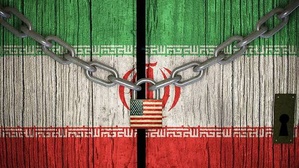
The United States has significantly expanded pressure on Iran’s aviation sector by sanctioning 36 targets, including 27 Iranian airlines and foreign companies accused of helping carriers obtain aircraft, cargo services and aviation technology. The move is broader than earlier measures against individual airlines because it attempts to attack the wider network that allows Iran’s aviation industry to continue operating despite years of restrictions.
The latest action focuses on a basic weakness in Iran’s aviation system: its dependence on foreign intermediaries, aircraft suppliers, maintenance networks and financial channels. US officials say the measures are intended to make it increasingly difficult for Iranian airlines to obtain aircraft and sensitive equipment while warning foreign companies that assisting them could expose those businesses to US financial restrictions.
The sanctions also extend pressure on Mahan Air, which has been under US sanctions for years. The airline remains a particular target because US authorities accuse it of supporting Iran's Islamic Revolutionary Guard Corps and transporting personnel, weapons and other military-related cargo. The new measures therefore combine an attempt to restrict Iran's civilian aviation capacity with a broader effort to disrupt channels that Washington says support Iran's military and regional activities.
The timing is also significant. The measures come as Washington is pursuing a wider campaign to restrict Iran's access to foreign currency, oil revenues, shipping networks and international financial services. Aviation has become another part of that strategy because commercial airlines require a complex international ecosystem to remain operational.
Why Aviation Has Become a Pressure Point
Iran's aviation sector has operated under restrictions for decades, particularly because many aircraft, engines, components and other technologies have connections to US manufacturers or financial systems. Those restrictions have contributed to difficulties in renewing fleets and obtaining equipment, while Iranian carriers have had to rely on alternative procurement channels to maintain operations.
The latest sanctions are designed to close some of those channels rather than simply punish individual airlines. US authorities have identified companies in several countries that they say helped Mahan Air acquire aircraft or provide services to its international operations. The measures demonstrate that Washington is increasingly focused on the intermediaries that connect sanctioned Iranian companies to the international aviation market.
This approach matters because sanctions against an airline alone do not necessarily stop aircraft from flying. An airline can potentially change suppliers, establish relationships through third countries or use companies that are not formally identified as part of the sanctioned organization. By targeting those supporting networks, the United States is attempting to increase the cost and complexity of evading restrictions.
The Treasury Department has also asked financial institutions to identify and report suspicious procurement networks connected to Iran's aviation industry. That financial component is important because aircraft procurement and maintenance depend on international payments, insurance, logistics and commercial relationships. Restricting those connections can make aviation sanctions more difficult to circumvent.
Mahan Air Shows How Sanctions Can Be Circumvented
Mahan Air illustrates why Washington is targeting more than the airlines themselves. The carrier was sanctioned by the United States in 2011 over alleged support for Iran's Islamic Revolutionary Guard Corps and has repeatedly faced additional restrictions targeting companies and individuals associated with its operations.
Despite those measures, the airline has continued operating and has developed relationships with companies outside Iran. US authorities have repeatedly accused Mahan Air and associated networks of using intermediaries and front companies to obtain aircraft parts and other restricted goods.
The latest action follows the identification of at least three Boeing 777 aircraft that Mahan Air obtained during 2026 through routes involving third countries. US authorities say the transactions demonstrated the continuing ability of sanctioned Iranian airlines to find international channels for acquiring aircraft despite restrictions.
That development helps explain the broader design of the new sanctions. Washington is not simply attempting to prevent an Iranian airline from purchasing a particular aircraft. It is trying to make the entire process of acquiring, financing, transferring, servicing and operating aircraft more difficult.
The strategy could increase operational costs for Iranian airlines even where it does not immediately stop flights. Aircraft require regular maintenance, replacement parts, technical services and access to specialized suppliers. Cutting off those relationships can gradually reduce the reliability and flexibility of an airline's fleet.
New Restrictions Could Reach Beyond Military Networks
The most consequential aspect of the measures may be their potential effect on ordinary commercial aviation. The United States has suspended several authorizations connected to aviation activity involving Iran, including permissions relating to overflights and the operation of US-origin or US-controlled commercial aircraft in the country.
The practical consequences will depend on how airlines, governments and aviation companies respond. Businesses that fear secondary sanctions may decide to reduce or end dealings with Iranian carriers even when they are not directly prohibited from doing so. That can produce a wider effect than the formal list of sanctioned entities suggests.
For Iran, the pressure could therefore extend into passenger travel, cargo transportation and the movement of commercial goods. Iranian airlines already operate in an environment where access to modern aircraft and aviation equipment is restricted. Further limitations on international partnerships could make fleet renewal and maintenance more difficult.
There is also a potential civilian cost. Aviation restrictions can affect passengers who depend on international routes, businesses that rely on air cargo and companies that need access to spare parts and technical services. US authorities have indicated that safety-related requests can be considered individually, but uncertainty over access to aviation services could still complicate normal operations.
That does not mean the sanctions will automatically ground every Iranian airline. Iran has spent years adapting to restrictions, and the existence of sanctions does not by itself prove that an airline will cease operating. The more immediate and measurable effect is likely to be greater difficulty in obtaining aircraft, components, services and international commercial support.
Washington Is Targeting the Network Around Iran
The aviation measures fit into a broader US strategy that treats Iran's economic infrastructure as a network rather than a collection of isolated industries. Earlier sanctions targeted oil sales, financial institutions, shipping operations and procurement networks. The latest aviation action extends that approach into another sector that depends heavily on international connectivity.
The strategy also reflects a shift from targeting only Iranian entities toward threatening foreign businesses that provide assistance. Companies in countries such as Turkey, the United Arab Emirates, Malaysia and Kazakhstan have been included because US authorities say they played roles in supporting Iranian aviation operations or procurement.
This creates a difficult calculation for international businesses. Continuing to serve Iranian airlines can preserve commercial opportunities, but exposure to US financial restrictions can potentially threaten access to the global financial system. For companies with substantial international business, the risk of losing access to US-linked transactions may outweigh the benefits of continuing relationships with Iranian carriers.
The effectiveness of the campaign will ultimately depend on whether Iran can continue finding alternative suppliers and financial channels faster than Washington can identify and restrict them. Iran has demonstrated considerable experience in adapting to sanctions, while the United States has shown that it can progressively expand restrictions to previously overlooked intermediaries.
The latest aviation sanctions therefore represent more than another list of designated companies. They show how Washington is attempting to turn Iran's dependence on international aviation networks into an economic pressure point. By targeting airlines, aircraft procurement, foreign intermediaries and financial channels at the same time, the United States is seeking to raise the cost of keeping Iran's aviation sector connected to the global economy.
(Source:www.apnews.com)
The latest action focuses on a basic weakness in Iran’s aviation system: its dependence on foreign intermediaries, aircraft suppliers, maintenance networks and financial channels. US officials say the measures are intended to make it increasingly difficult for Iranian airlines to obtain aircraft and sensitive equipment while warning foreign companies that assisting them could expose those businesses to US financial restrictions.
The sanctions also extend pressure on Mahan Air, which has been under US sanctions for years. The airline remains a particular target because US authorities accuse it of supporting Iran's Islamic Revolutionary Guard Corps and transporting personnel, weapons and other military-related cargo. The new measures therefore combine an attempt to restrict Iran's civilian aviation capacity with a broader effort to disrupt channels that Washington says support Iran's military and regional activities.
The timing is also significant. The measures come as Washington is pursuing a wider campaign to restrict Iran's access to foreign currency, oil revenues, shipping networks and international financial services. Aviation has become another part of that strategy because commercial airlines require a complex international ecosystem to remain operational.
Why Aviation Has Become a Pressure Point
Iran's aviation sector has operated under restrictions for decades, particularly because many aircraft, engines, components and other technologies have connections to US manufacturers or financial systems. Those restrictions have contributed to difficulties in renewing fleets and obtaining equipment, while Iranian carriers have had to rely on alternative procurement channels to maintain operations.
The latest sanctions are designed to close some of those channels rather than simply punish individual airlines. US authorities have identified companies in several countries that they say helped Mahan Air acquire aircraft or provide services to its international operations. The measures demonstrate that Washington is increasingly focused on the intermediaries that connect sanctioned Iranian companies to the international aviation market.
This approach matters because sanctions against an airline alone do not necessarily stop aircraft from flying. An airline can potentially change suppliers, establish relationships through third countries or use companies that are not formally identified as part of the sanctioned organization. By targeting those supporting networks, the United States is attempting to increase the cost and complexity of evading restrictions.
The Treasury Department has also asked financial institutions to identify and report suspicious procurement networks connected to Iran's aviation industry. That financial component is important because aircraft procurement and maintenance depend on international payments, insurance, logistics and commercial relationships. Restricting those connections can make aviation sanctions more difficult to circumvent.
Mahan Air Shows How Sanctions Can Be Circumvented
Mahan Air illustrates why Washington is targeting more than the airlines themselves. The carrier was sanctioned by the United States in 2011 over alleged support for Iran's Islamic Revolutionary Guard Corps and has repeatedly faced additional restrictions targeting companies and individuals associated with its operations.
Despite those measures, the airline has continued operating and has developed relationships with companies outside Iran. US authorities have repeatedly accused Mahan Air and associated networks of using intermediaries and front companies to obtain aircraft parts and other restricted goods.
The latest action follows the identification of at least three Boeing 777 aircraft that Mahan Air obtained during 2026 through routes involving third countries. US authorities say the transactions demonstrated the continuing ability of sanctioned Iranian airlines to find international channels for acquiring aircraft despite restrictions.
That development helps explain the broader design of the new sanctions. Washington is not simply attempting to prevent an Iranian airline from purchasing a particular aircraft. It is trying to make the entire process of acquiring, financing, transferring, servicing and operating aircraft more difficult.
The strategy could increase operational costs for Iranian airlines even where it does not immediately stop flights. Aircraft require regular maintenance, replacement parts, technical services and access to specialized suppliers. Cutting off those relationships can gradually reduce the reliability and flexibility of an airline's fleet.
New Restrictions Could Reach Beyond Military Networks
The most consequential aspect of the measures may be their potential effect on ordinary commercial aviation. The United States has suspended several authorizations connected to aviation activity involving Iran, including permissions relating to overflights and the operation of US-origin or US-controlled commercial aircraft in the country.
The practical consequences will depend on how airlines, governments and aviation companies respond. Businesses that fear secondary sanctions may decide to reduce or end dealings with Iranian carriers even when they are not directly prohibited from doing so. That can produce a wider effect than the formal list of sanctioned entities suggests.
For Iran, the pressure could therefore extend into passenger travel, cargo transportation and the movement of commercial goods. Iranian airlines already operate in an environment where access to modern aircraft and aviation equipment is restricted. Further limitations on international partnerships could make fleet renewal and maintenance more difficult.
There is also a potential civilian cost. Aviation restrictions can affect passengers who depend on international routes, businesses that rely on air cargo and companies that need access to spare parts and technical services. US authorities have indicated that safety-related requests can be considered individually, but uncertainty over access to aviation services could still complicate normal operations.
That does not mean the sanctions will automatically ground every Iranian airline. Iran has spent years adapting to restrictions, and the existence of sanctions does not by itself prove that an airline will cease operating. The more immediate and measurable effect is likely to be greater difficulty in obtaining aircraft, components, services and international commercial support.
Washington Is Targeting the Network Around Iran
The aviation measures fit into a broader US strategy that treats Iran's economic infrastructure as a network rather than a collection of isolated industries. Earlier sanctions targeted oil sales, financial institutions, shipping operations and procurement networks. The latest aviation action extends that approach into another sector that depends heavily on international connectivity.
The strategy also reflects a shift from targeting only Iranian entities toward threatening foreign businesses that provide assistance. Companies in countries such as Turkey, the United Arab Emirates, Malaysia and Kazakhstan have been included because US authorities say they played roles in supporting Iranian aviation operations or procurement.
This creates a difficult calculation for international businesses. Continuing to serve Iranian airlines can preserve commercial opportunities, but exposure to US financial restrictions can potentially threaten access to the global financial system. For companies with substantial international business, the risk of losing access to US-linked transactions may outweigh the benefits of continuing relationships with Iranian carriers.
The effectiveness of the campaign will ultimately depend on whether Iran can continue finding alternative suppliers and financial channels faster than Washington can identify and restrict them. Iran has demonstrated considerable experience in adapting to sanctions, while the United States has shown that it can progressively expand restrictions to previously overlooked intermediaries.
The latest aviation sanctions therefore represent more than another list of designated companies. They show how Washington is attempting to turn Iran's dependence on international aviation networks into an economic pressure point. By targeting airlines, aircraft procurement, foreign intermediaries and financial channels at the same time, the United States is seeking to raise the cost of keeping Iran's aviation sector connected to the global economy.
(Source:www.apnews.com)
